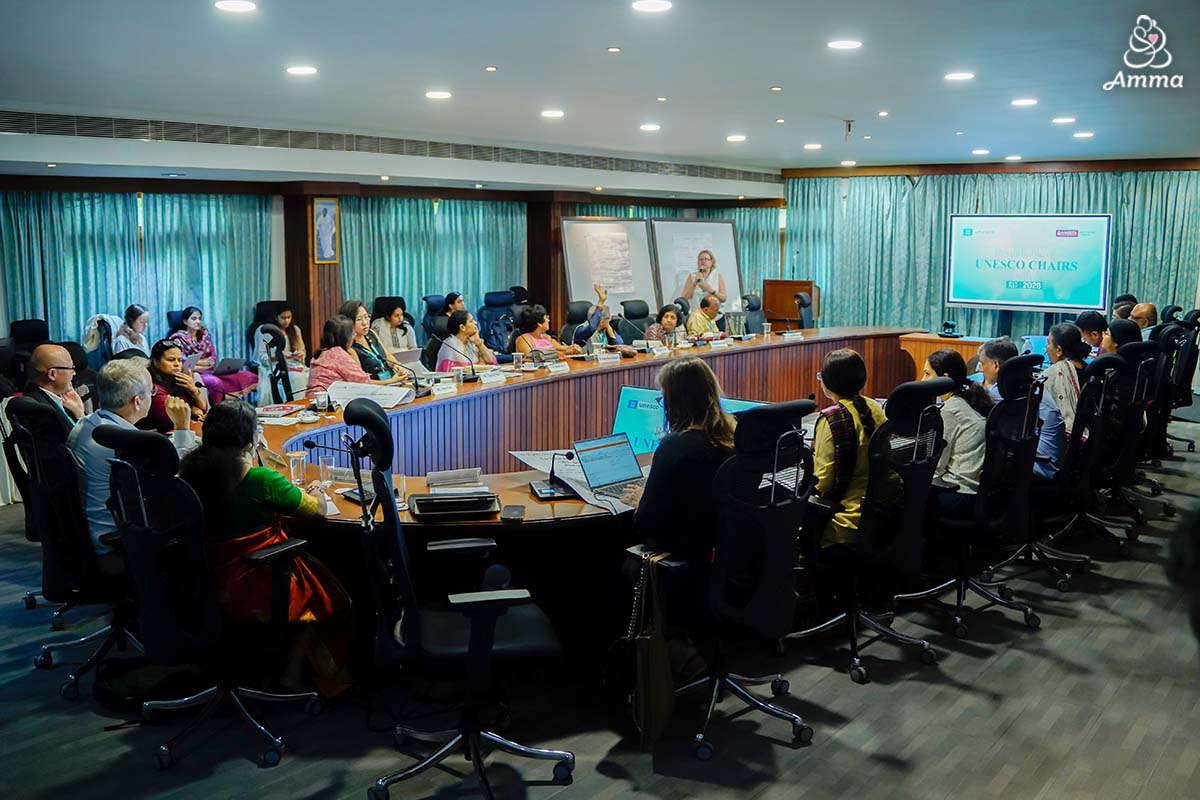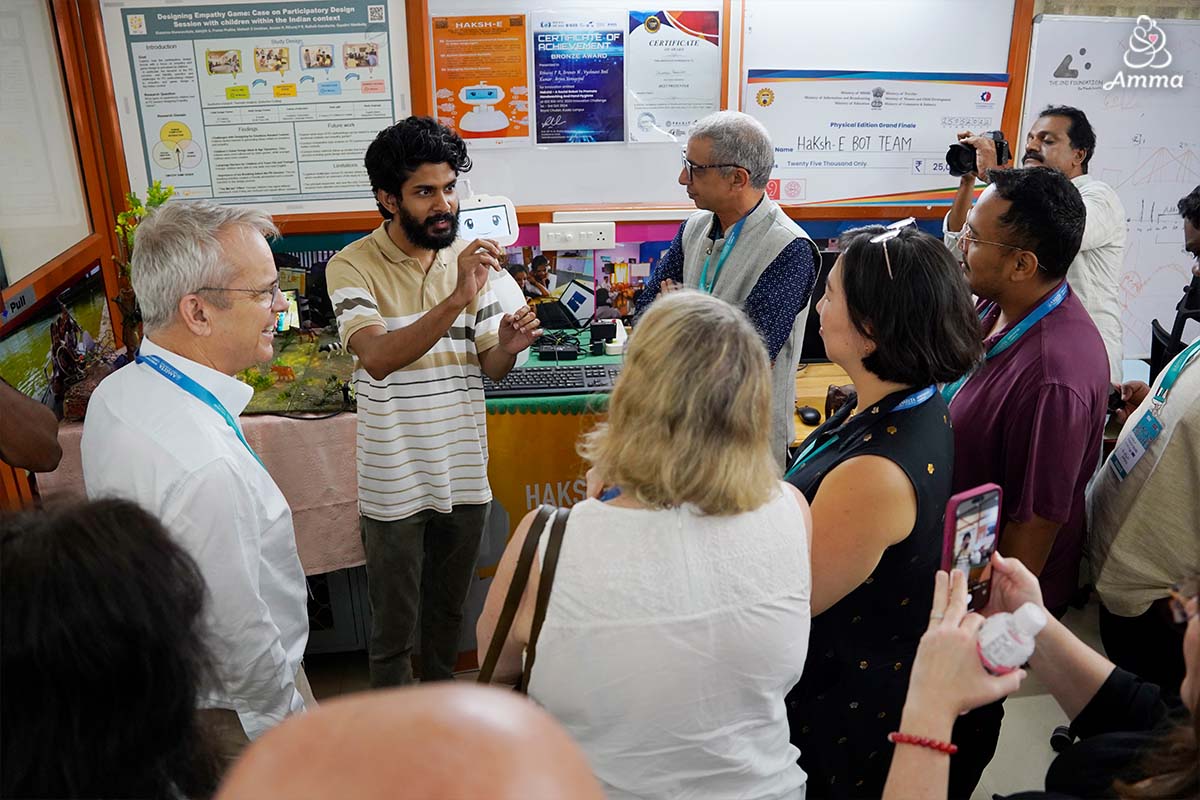



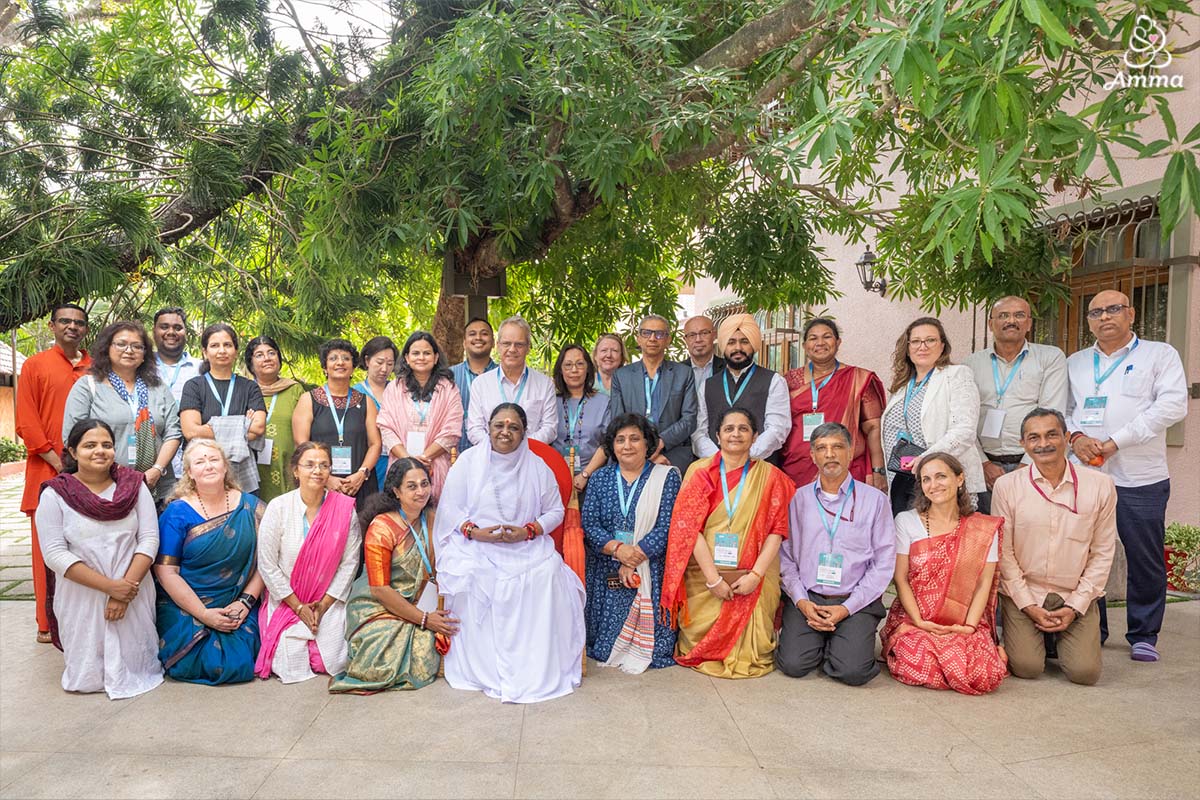
This year, Amrita University hosted the annual South Asia UNESCO Chairs Round Table to define the organisation’s 2026–2027 strategic priorities. For May 13 and 14, the gathering at Amritapuri campus brought together over 22 representatives, UNESCO Chairholders, and academic leaders from India, Nepal, Bangladesh, and Sri Lanka.
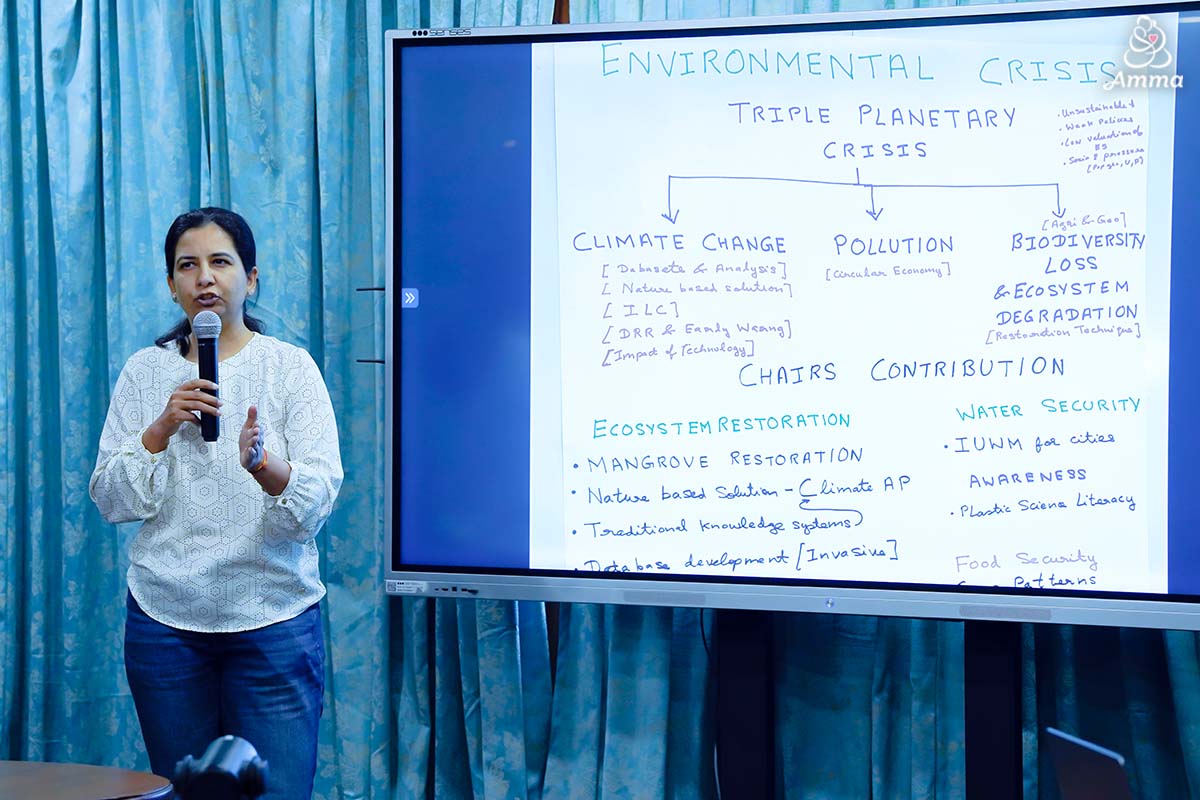
A central theme was the “triple planetary crisis,” addressing the interlinked issues of climate change, pollution, and biodiversity loss. Other crucial areas included digital transformation, ethical AI, gender equality, and youth engagement. Throughout the round table, discussions about each topic frequently intersected and supported one another.
As Chancellor, Amma met with the dignitaries to share her vision for academic inquiry directed at resolving the multi-dimensional challenges our world faces, from extreme poverty to environmental degradation. With its focus on compassion-driven research, the University develops scientific and technological innovations, and at the same time, instills students with essential values such as empathy, love, and selfless service.
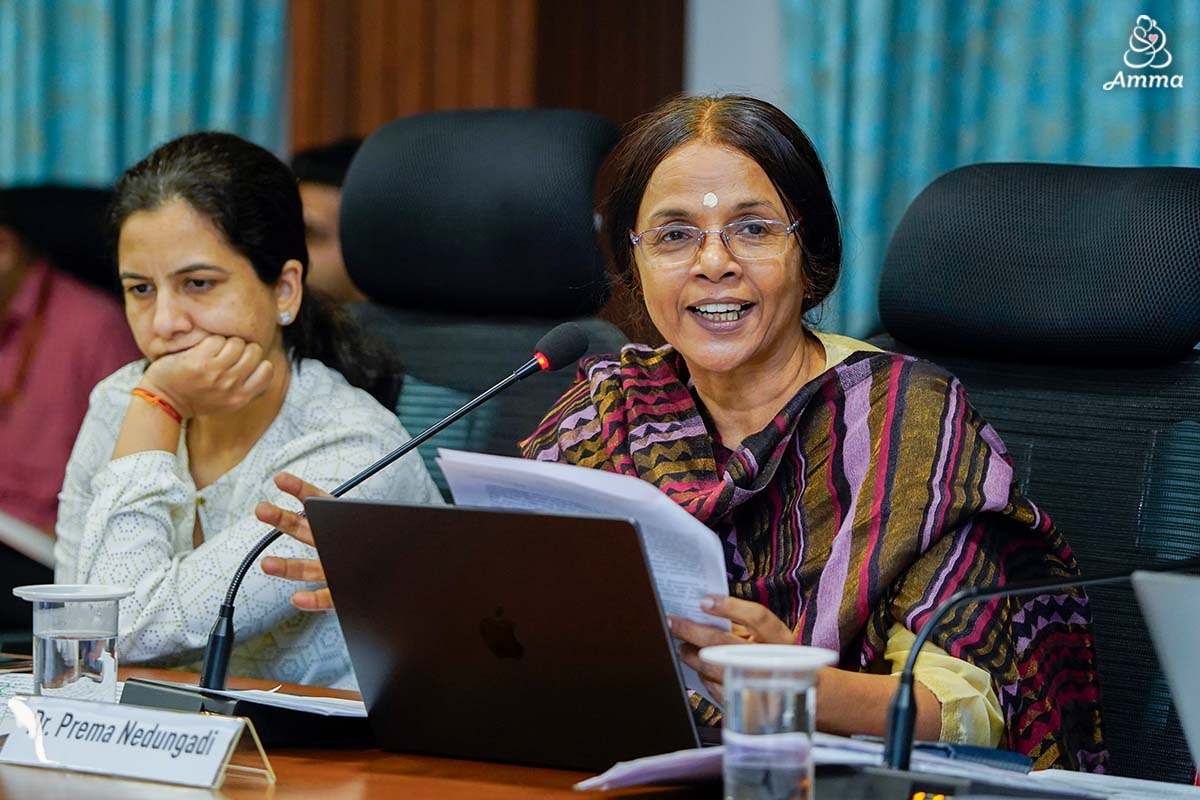
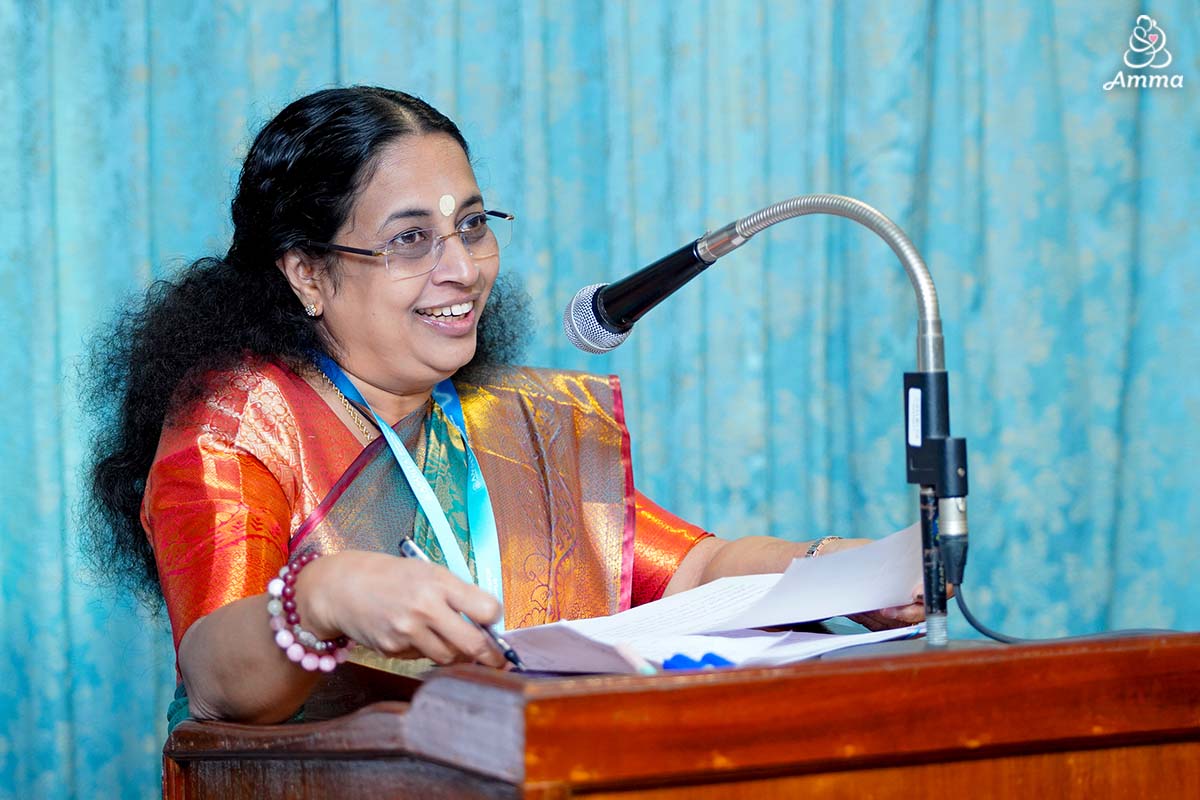
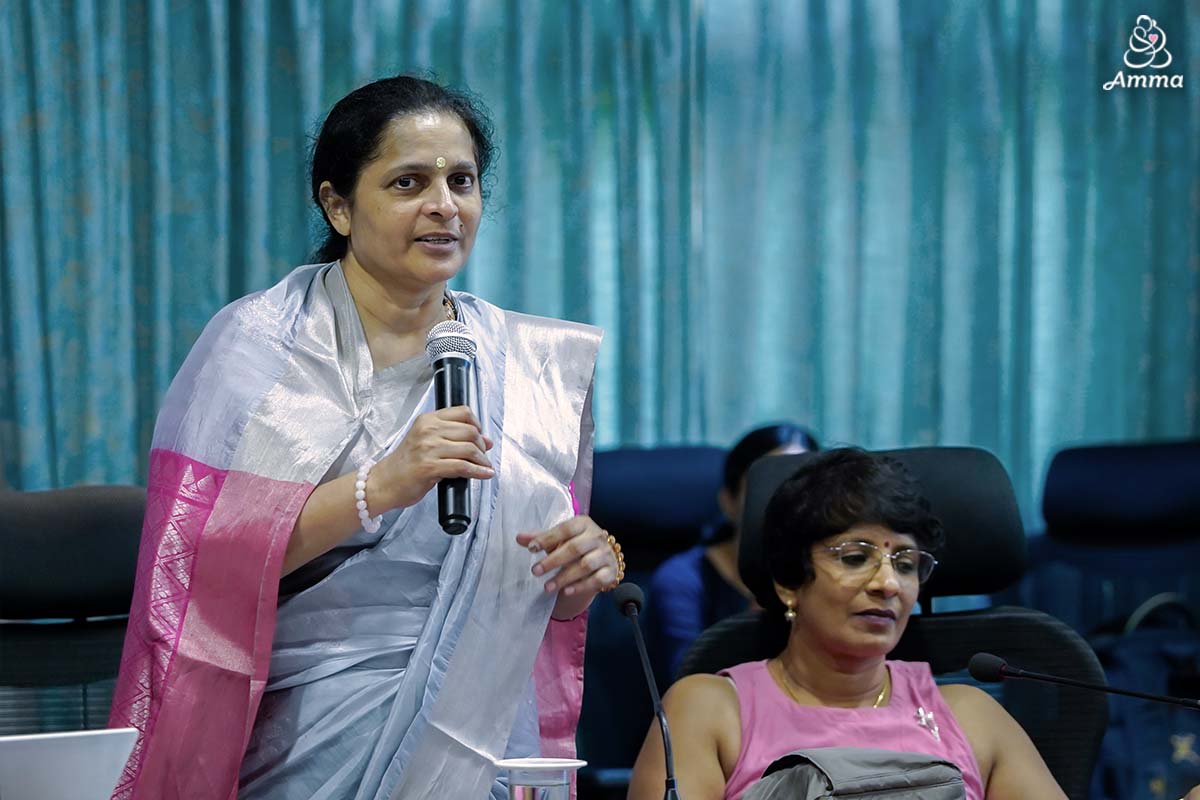
Under Amma’s guidance, Amrita is the only University in India to hold three UNESCO Chairs: Gender Equality & Women’s Empowerment led by Dr. Bhavani Rao, Experiential Learning for Sustainable Innovation & Development led by Dr. Maneesha V. Ramesh, and Assistive Technologies in Education led by Dr. Prema Nedungadi and Dr. Raghu Raman.
“The roundtable reaffirmed the important role of universities and UNESCO Chairs in advancing knowledge-sharing, regional cooperation, and community-centered innovation for sustainable and inclusive development,” said Dr.Ramesh in reflecting upon the impact. She is also Amrita’s Pro-Vice Chancellor.
“Strengthening partnerships across institutions, governments, communities, and youth networks will remain essential for building resilient, peaceful, and environmentally sustainable societies.”
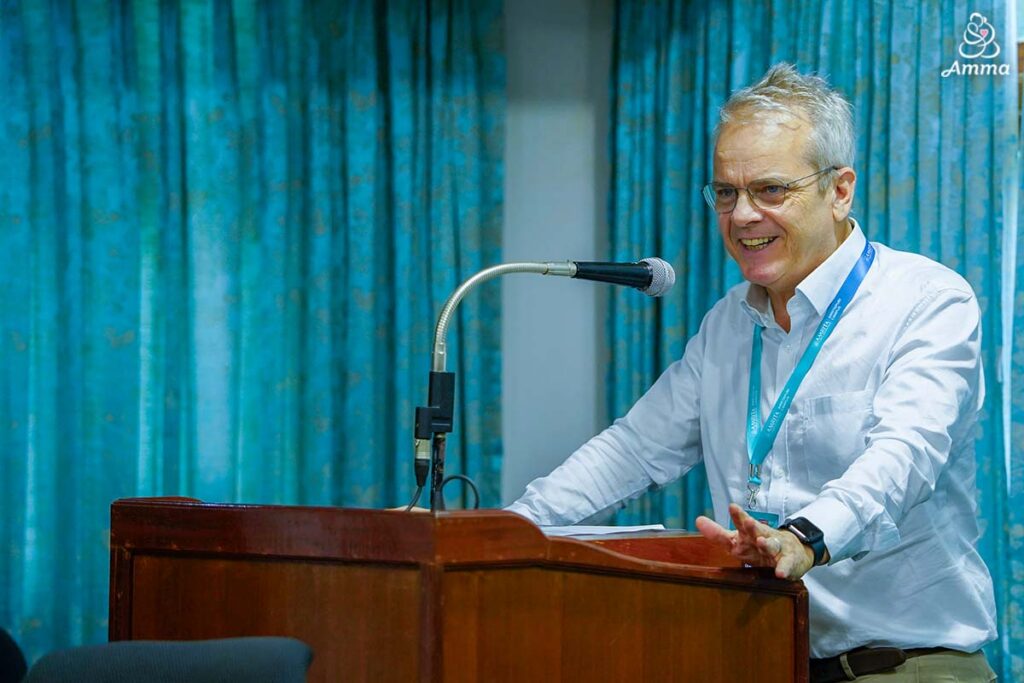
Mr. Tim Curtis is the Director and Representative of the UNESCO Regional Office for South Asia, which is based in New Delhi and also includes Bangladesh, Bhutan, The Maldives, Nepal and Sri Lanka. He spoke about the vital role that UNESCO Chairs play in the organisation’s global network, emphasising that such round table discussions heavily inform policy-level decisions.
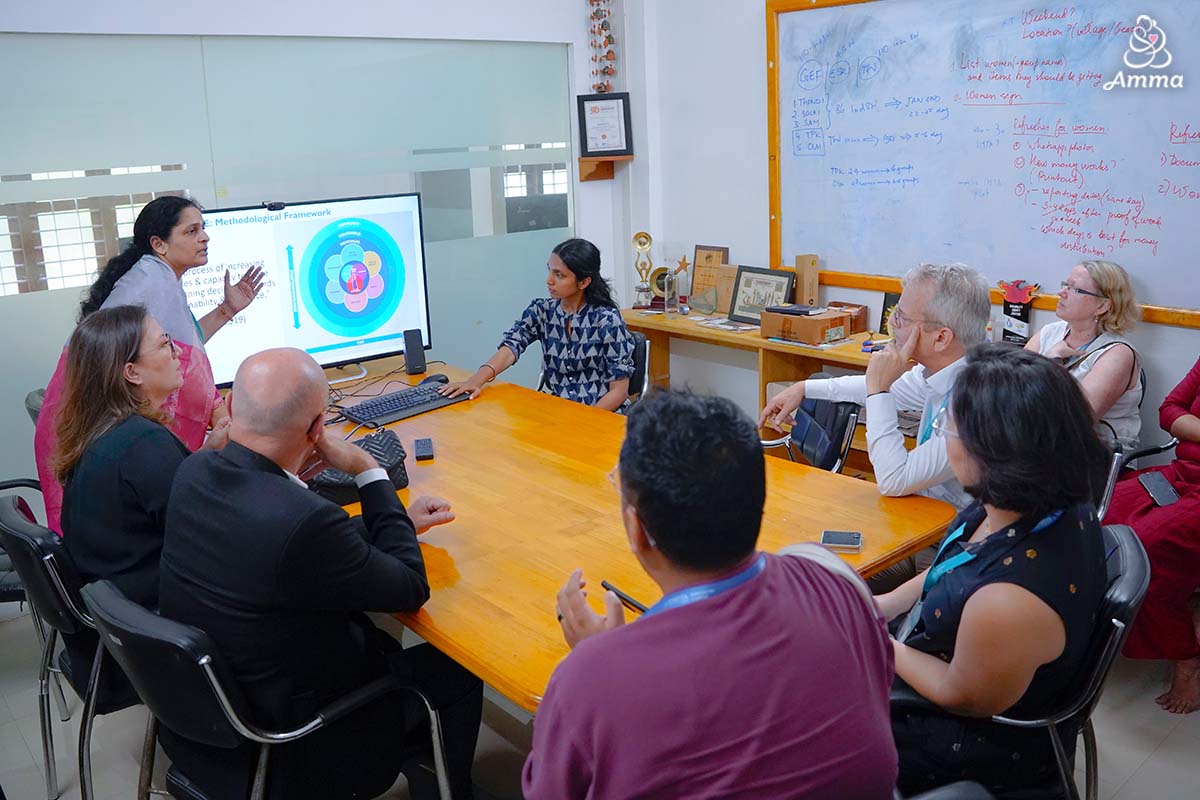
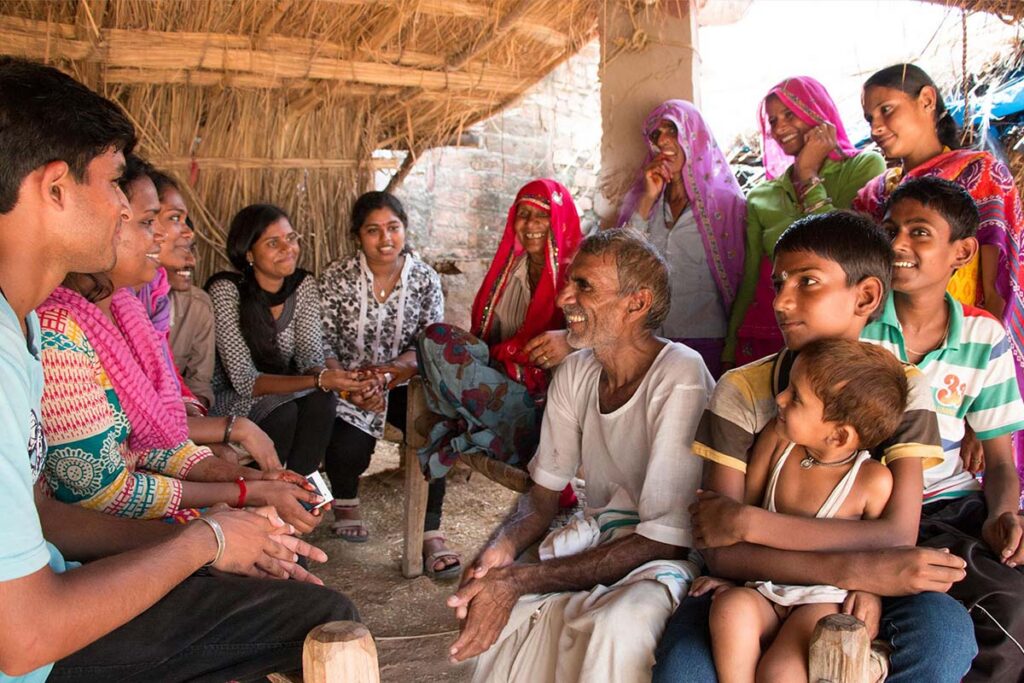
The delegates were inspired by Amrita’s Live-in-Labs, a unique program born of Amma’s compassion for the rural poor. Students from India and over 30 international universities spend time in impoverished villages across 25 states. Witnessing the hardships the people face, the youth then collaborate with community members to develop practical, technology-based solutions. It is an initiative that directly aligns with the United Nations 2030 Sustainable Development Goals (SDGs).
In honour of India’s cultural heritage, the delegates also participated in meditation and yoga sessions held at Amritapuri Ashram. It was a profound opportunity to directly experience Amma’s teachings.