


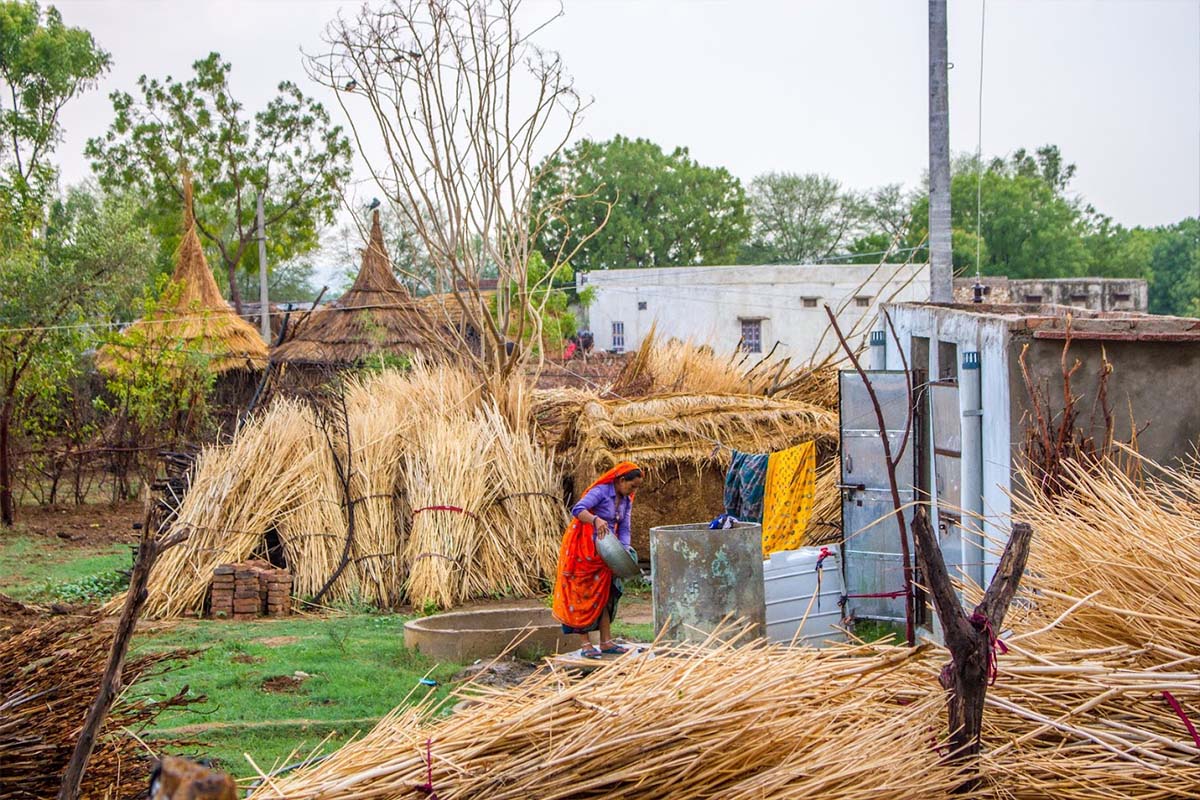
A Village Concealed by the Desert, A Story Ready to be Unveiled
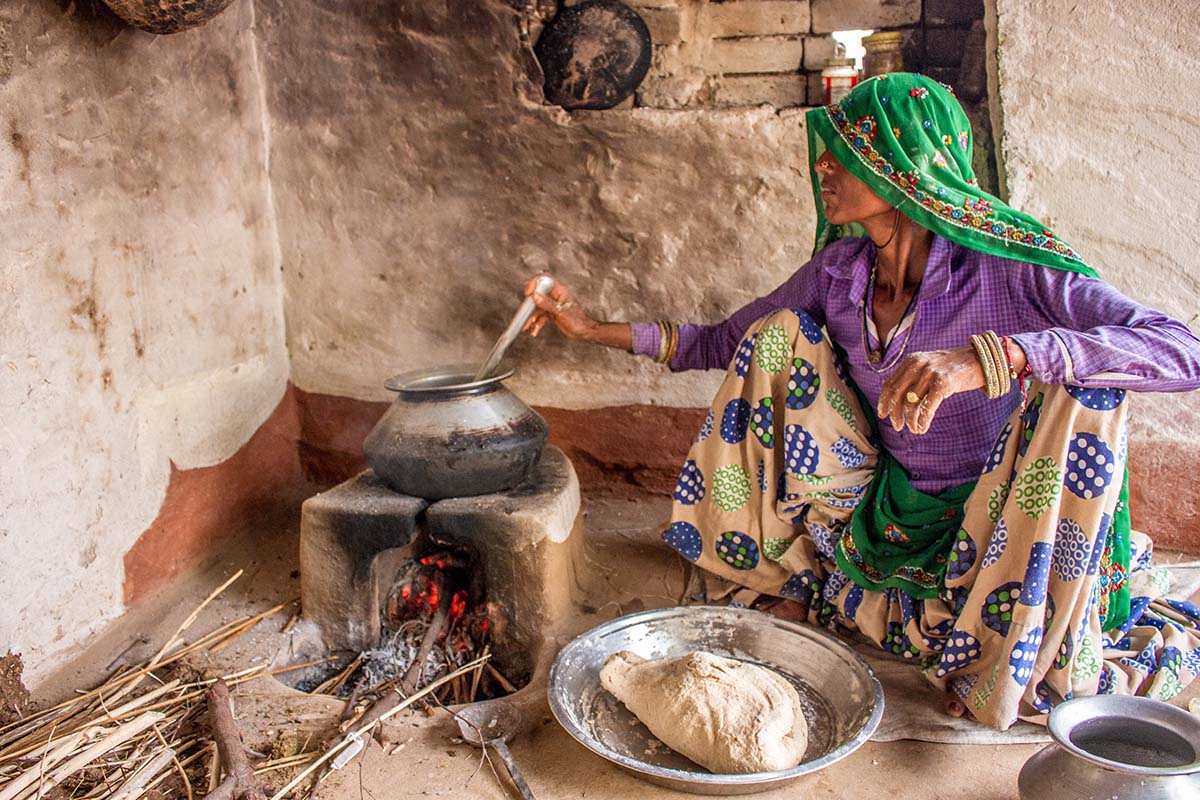
One of the places in India famous for its historical forts, rich culture, and stunning natural beauty is undoubtedly Rajasthan. Besides all the positive aspects, it conceals villages suffering from water shortage and lack of infrastructure and development.
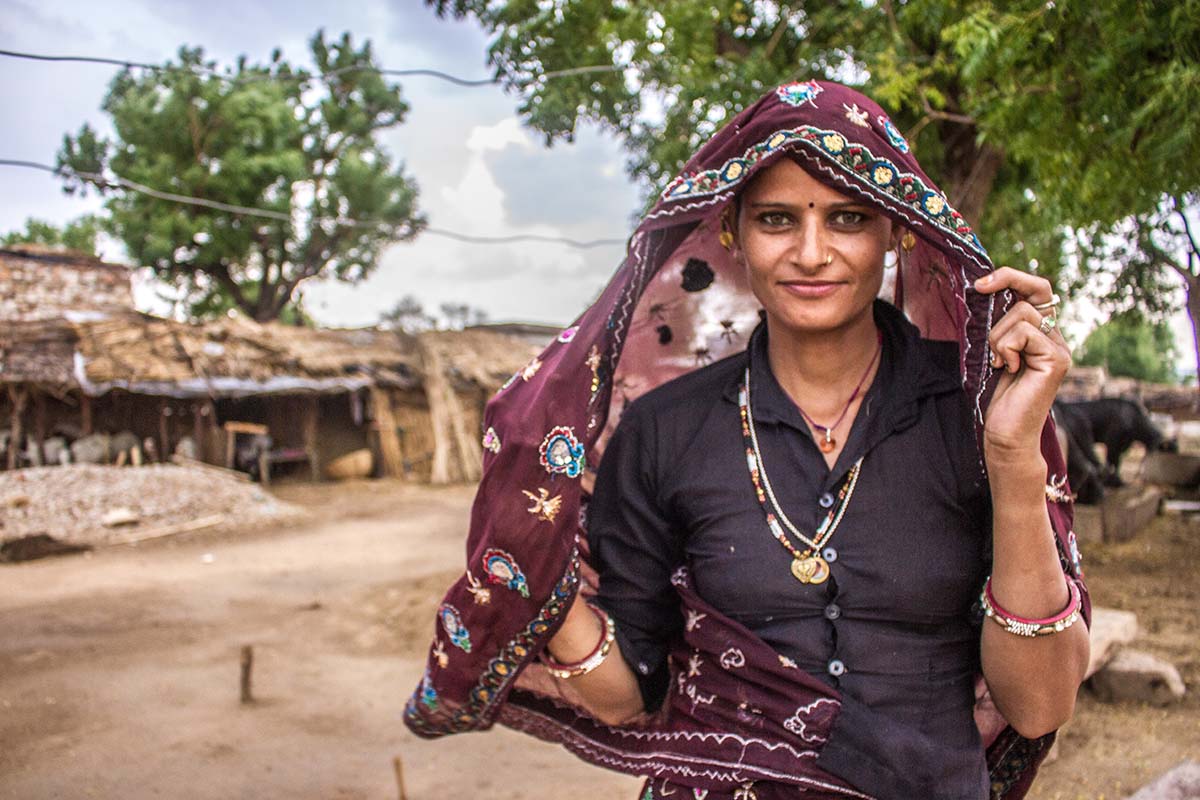
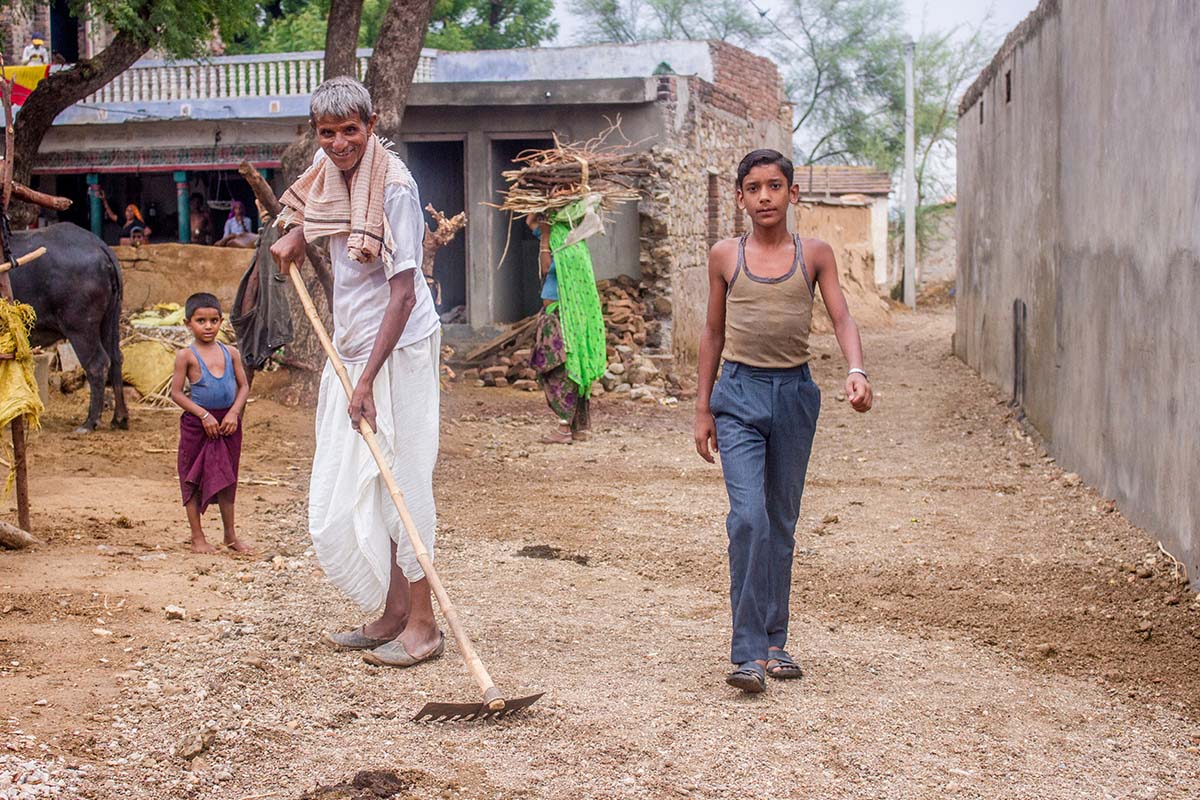
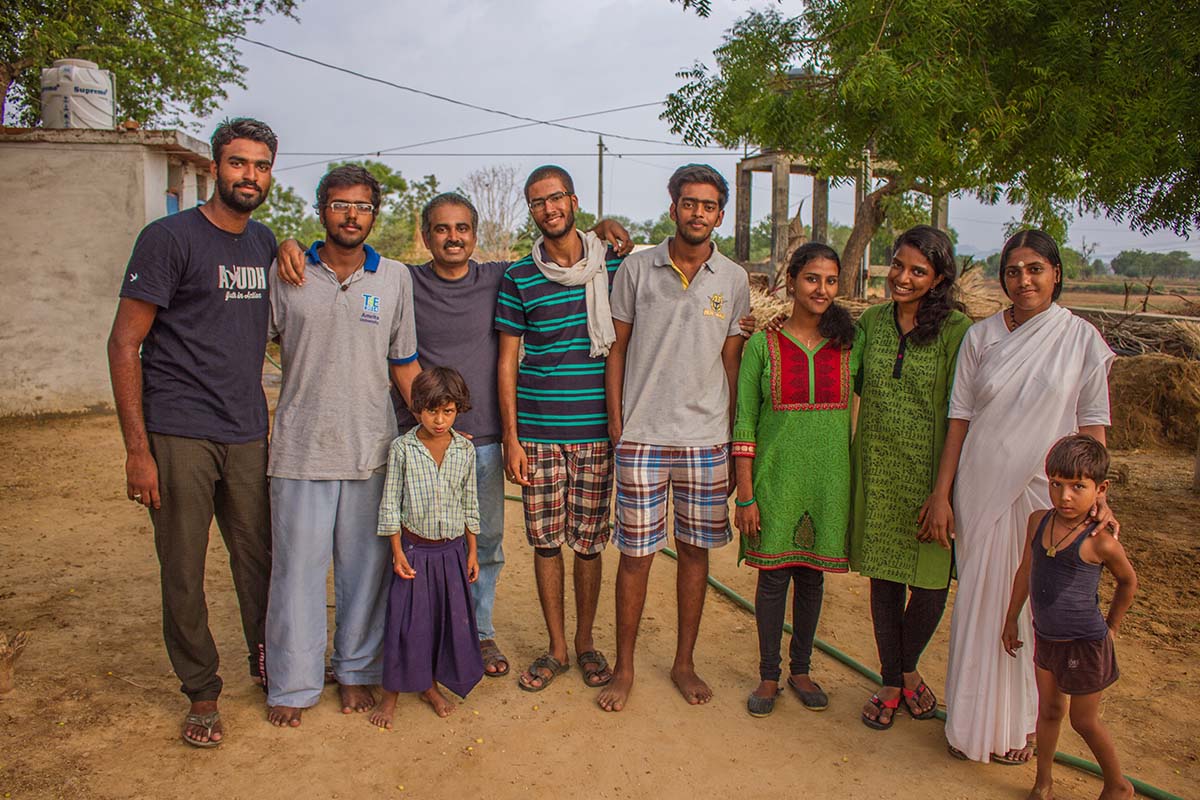
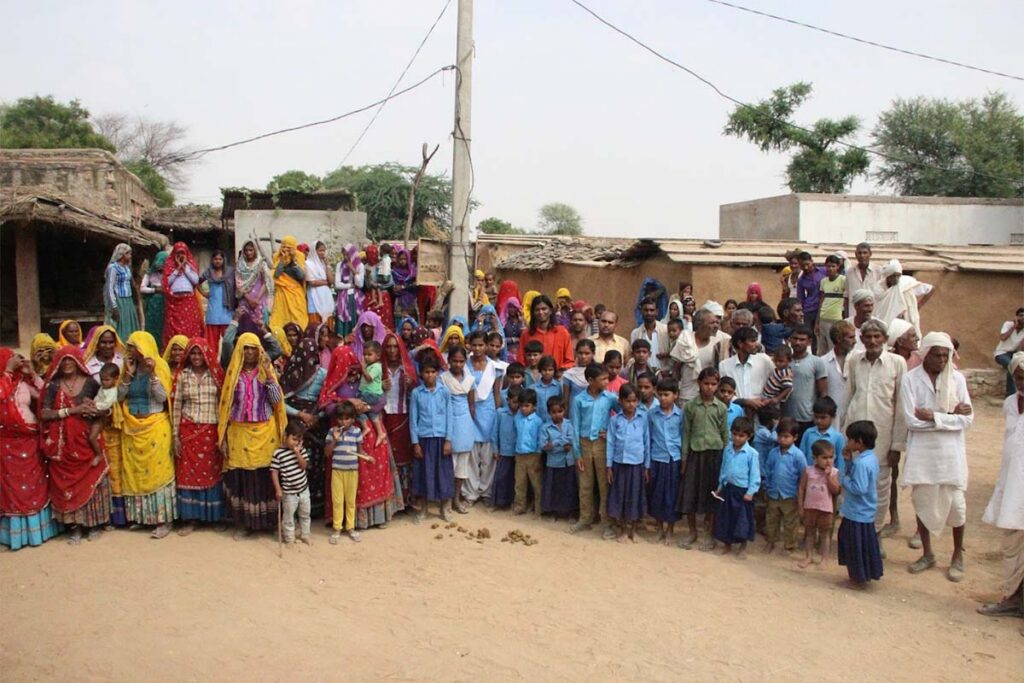
Harirampura was a village that did not even officially exist on the map of Rajasthan and the people suffered from extreme poverty and water shortage. They had been fighting against the existing difficulties for many years.
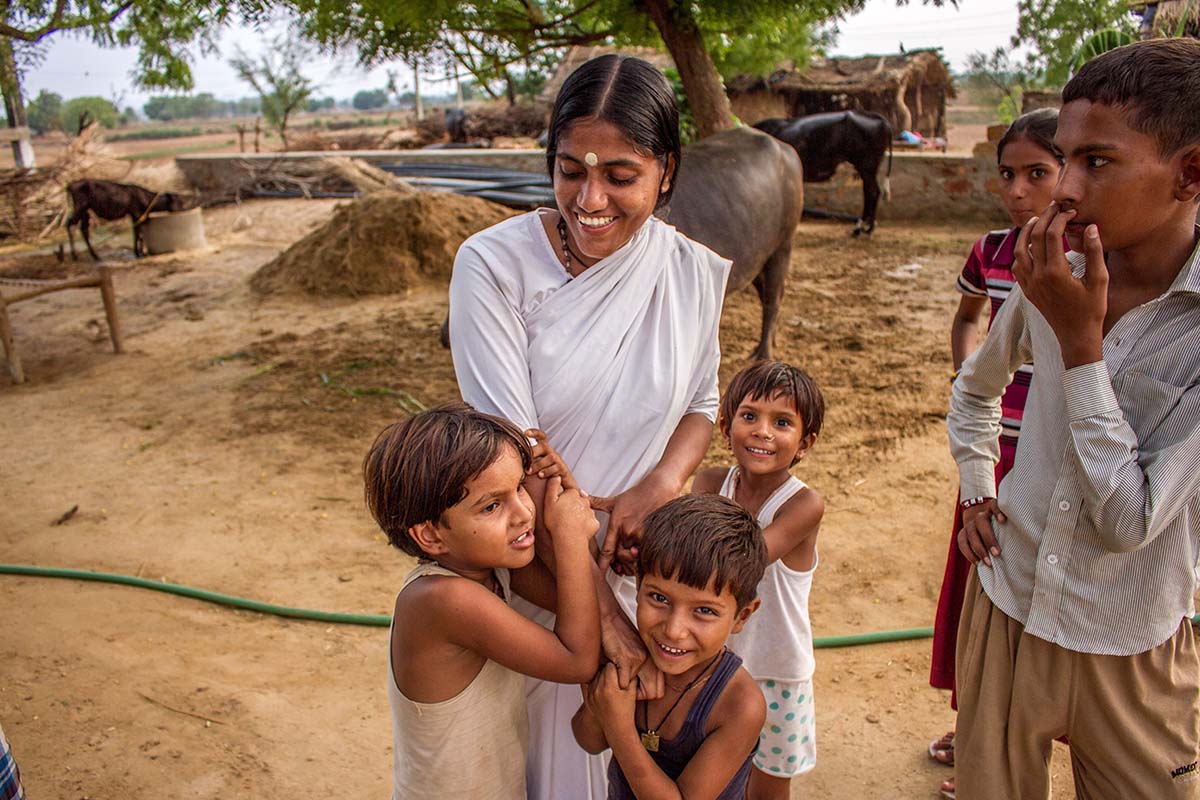
However, everything changed in 2013 when Amma began an initiative to develop Harirampura. Amrita SeRVe is Amma’s mission to build self-reliant, sustainable villages across India through community-led development and empowerment.
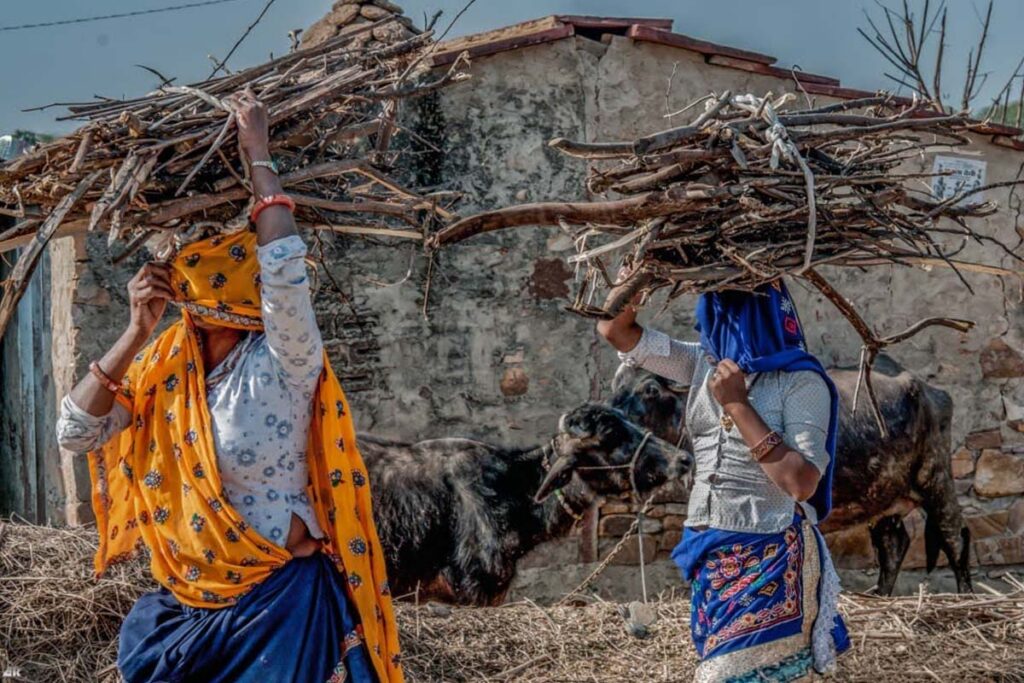
Beginnings of Harirampura’s Journey
The initial and foremost step taken towards achieving success was the legal declaration of Harirampura as a village in 2014. This achievement provided the people access to welfare and public programs previously unavailable to them.
After this step was taken, a holistic strategy was adopted to support the developmental efforts of the community members. Initiatives were made to provide clean water, proper sanitation facilities, and sustainable livelihood schemes.
Harirampura today serves as a benchmark case of rural development.
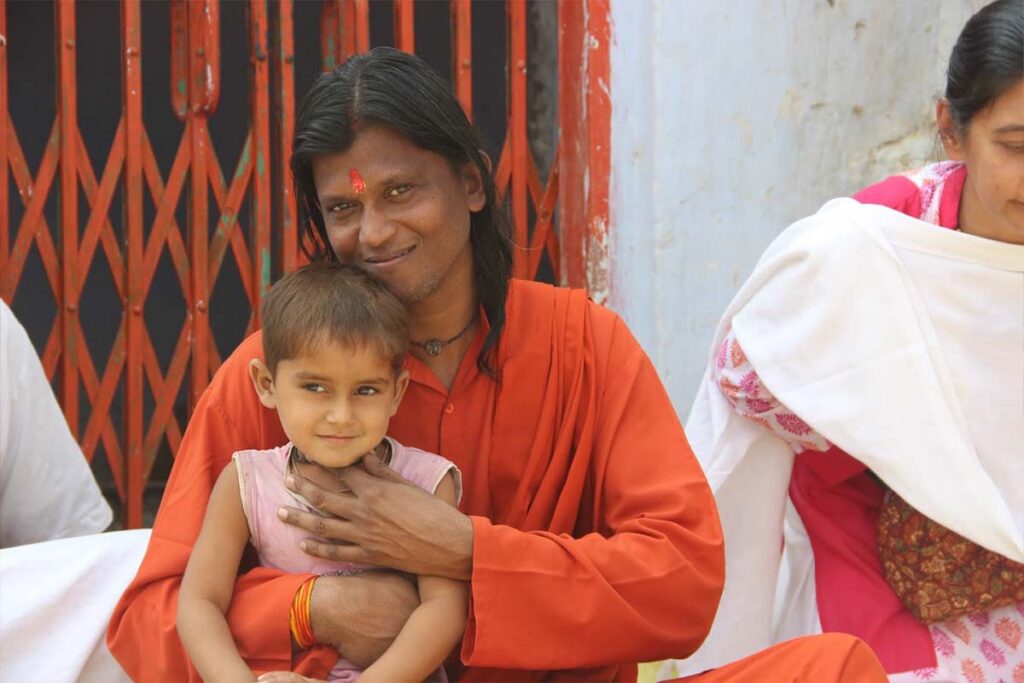
Milestones Changing People’s Lives
The metamorphosis was gradually happening year by year. The supply of potable piped water to all houses in 2015 meant that the responsibility of women and children was minimized. Children no longer had to fetch water, so could attend school.
The setting up of toilet facilities in all houses in the village in 2017 meant that there would be no more open defecation. The year 2019 saw an expansion in digital literacy and skill building opportunities, which were to benefit over 4,435 people living in Rajasthan.
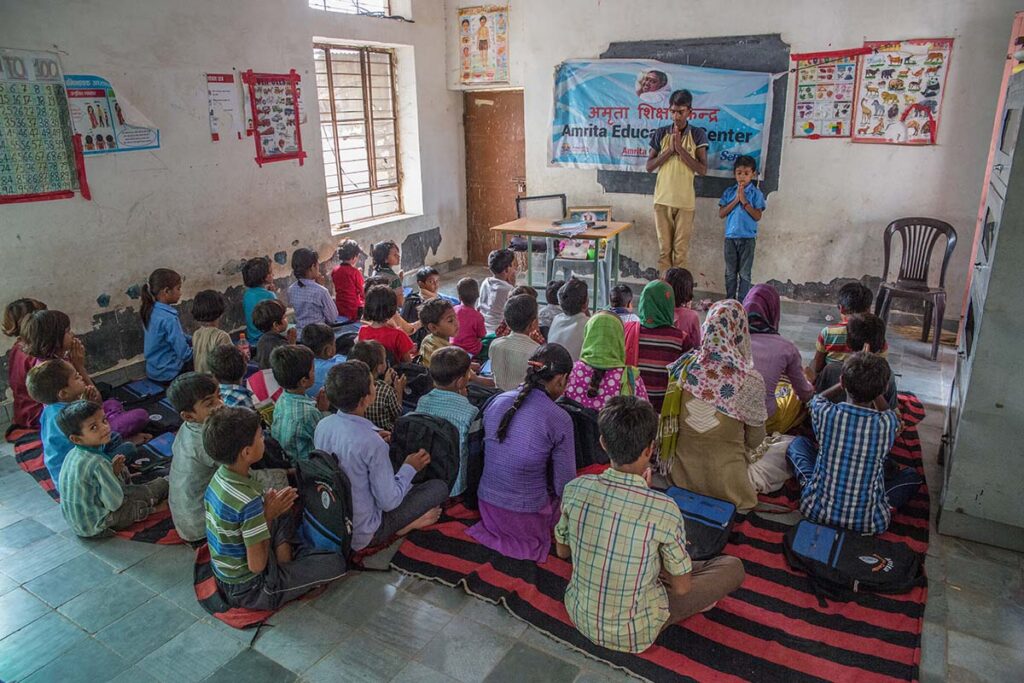
Water: The Basis of All Changes
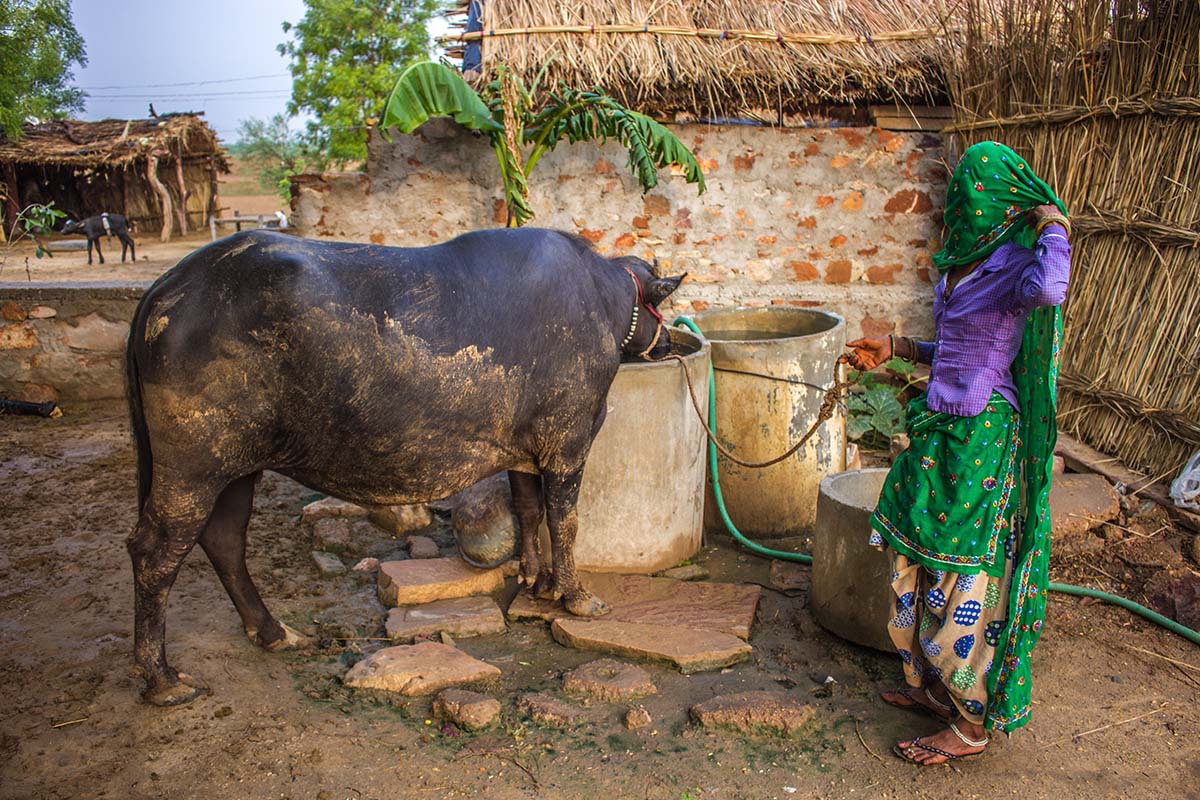
For centuries, shortage of water was an issue that affected each and every sphere of life in the villages of Rajasthan. Availability of pure water determined the health, education, agricultural, and economic wellbeing of the people.
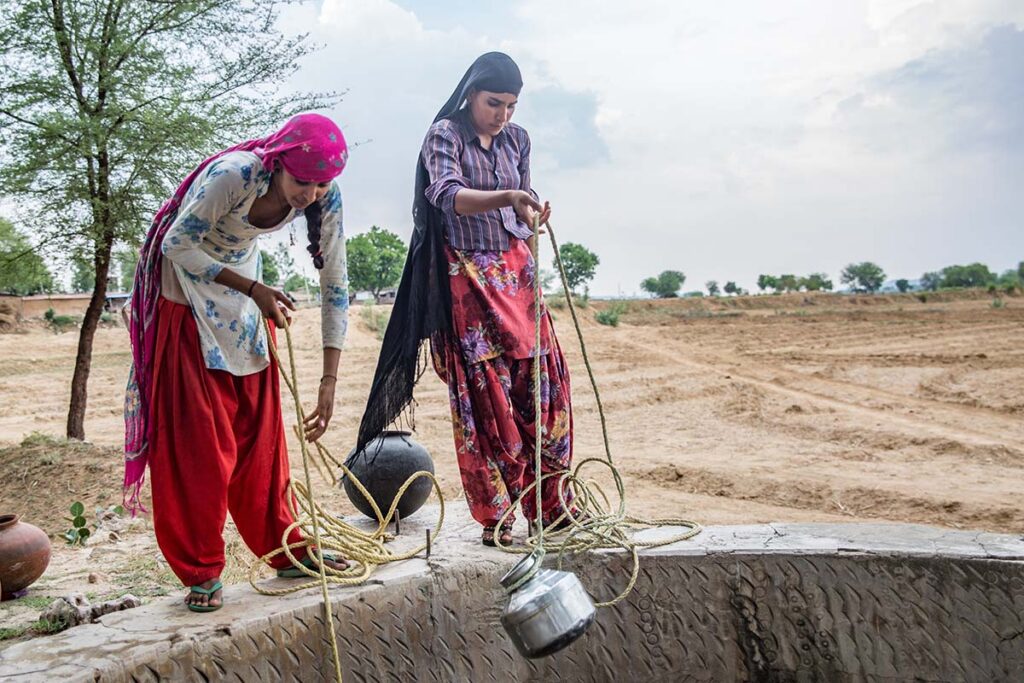
However, Amrita SeRVe changed this status quo completely in Harirampura. Starting from 2015, each family had a constant supply of water delivered directly to their houses.
This change had many positive consequences as well, since the constant availability of water helped improve the health condition, freed the time for education, and promoted economic progress in general.
In other words, what started as a project to provide water, turned into the basis of broader development.
Empowering Communities throughout Rajasthan
While Harirampura emerged as the focal point for change, the influence extended to surrounding communities as well as to other districts.
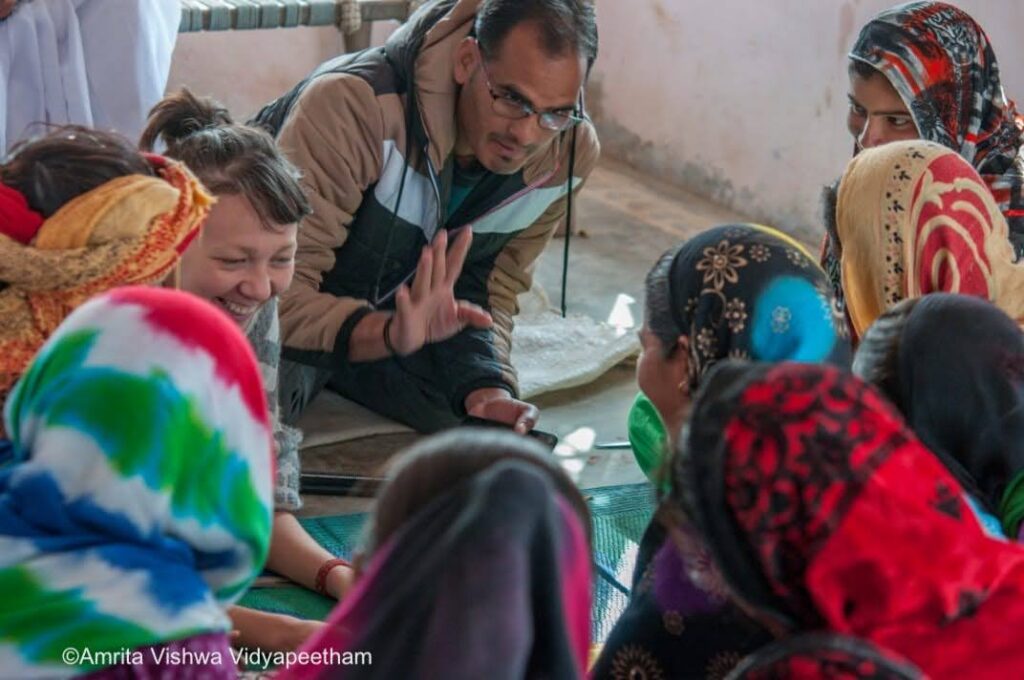
Women in Sakada and Shyamoli set up Self -Help Groups, enabling them to find ways to earn their own income. They achieved this through various ways, including saving, making handicrafts, and engaging in micro-enterprise.
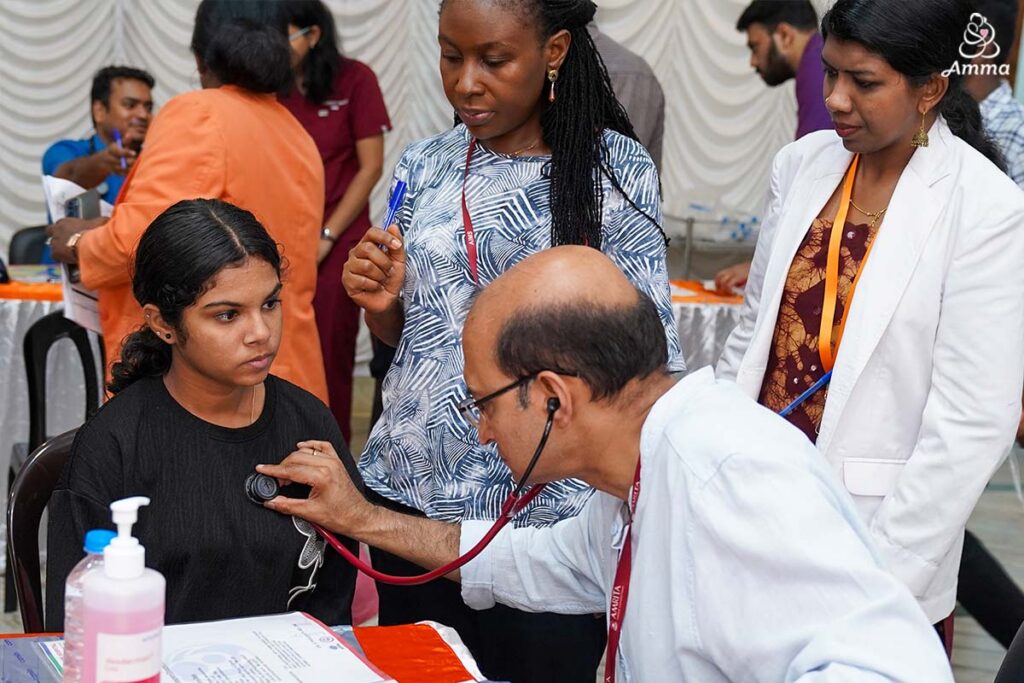
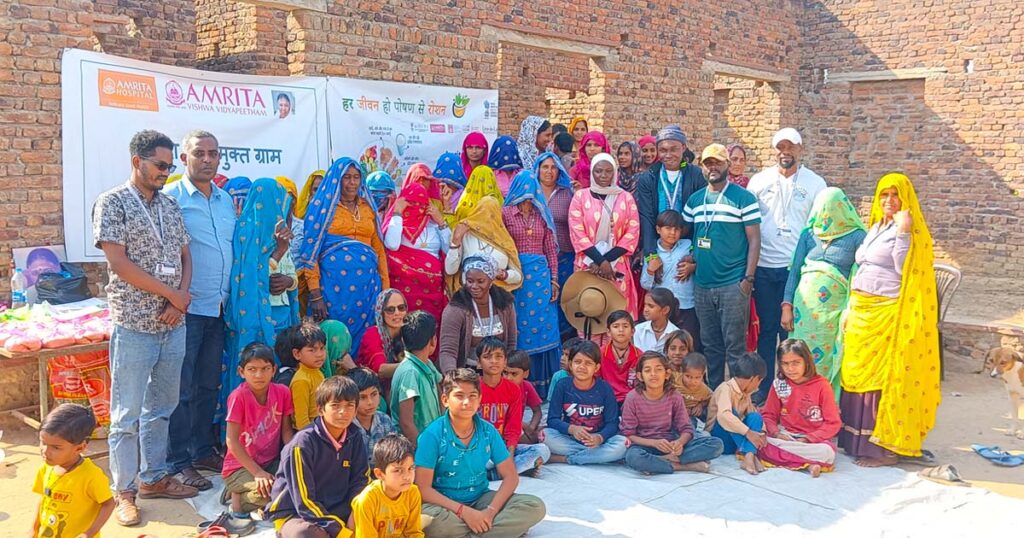
In districts such as Jodhpur, Karauli, and Tonk, more than 4,435 people benefited from skills development via digitisation as well as through the provision of health camps. Partnerships with NGOs such as Oil India and Shubham Crafts also facilitated the development of skills in rural areas, allowing participants to gain an income from alternative sources.
Sustainable Agriculture for a Brighter Future
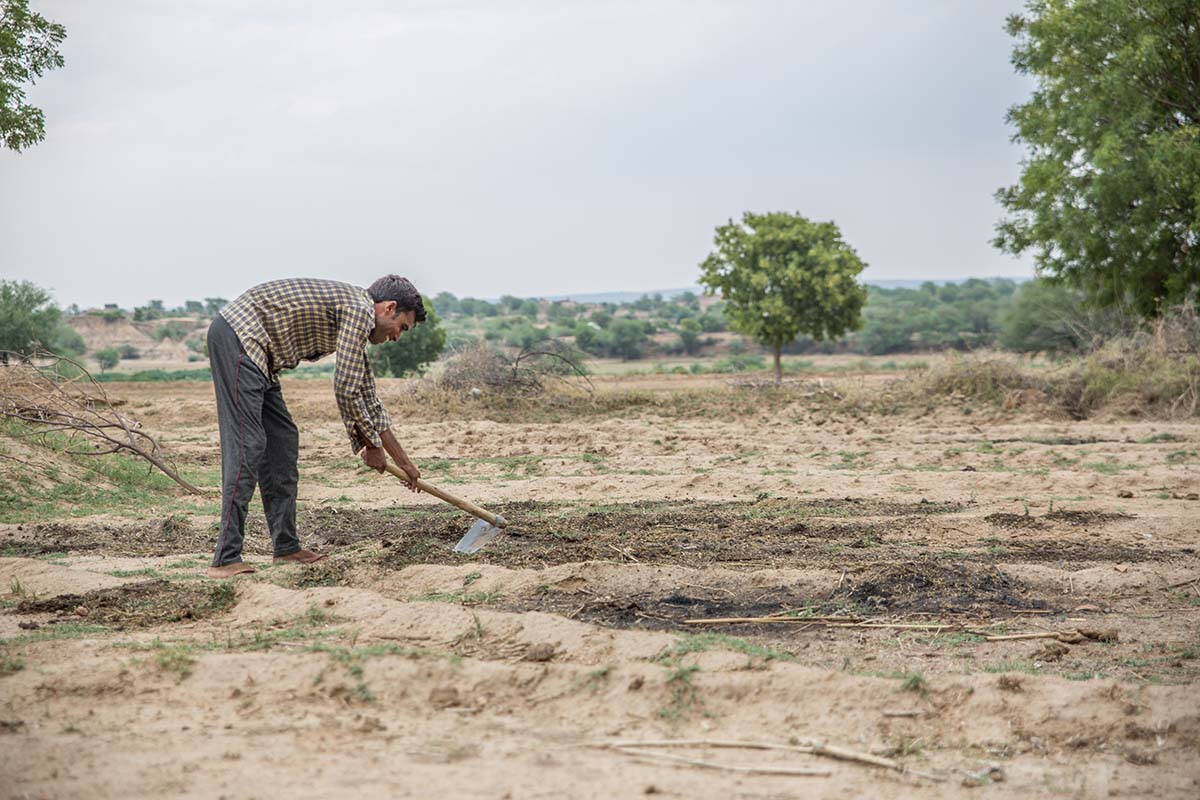
Agriculture continues to be a key contributor to the welfare of the rural population in Rajasthan; however, water shortages and climate change are significant barriers to production.
In order to overcome these barriers, farmers completed training on organic farming techniques, vermicast, and crop diversification. They then adopted new crops such as mustard, wheat and guava, while using sustainable methods for improving soil condition.
The improved resilience of the agricultural sector has created better yields and higher incomes for their families.
Innovation through the CCRRC
In yet another milestone of transformation, the Community COVID Resilience and Resource Center CCRRC was established in 2022 in Harirampura. Once the pandemic ended, it evolved in Amrita University’s centre for Climate Change, Disaster Resilience & Community-Led Disaster Risk Reduction. As a project in collaboration with the Govt of India’s Department of Science & Technology (DST), it is a venue for innovation through new ideas and learning.
The CCRRC assists community members in developing plans to adapt to climate change, conserve water, and farm sustainably, as well as building capacity for the villages. It is a place where traditional knowledge is blended with modern solutions to achieve outcomes in rural development.
Through its focus on sustainability, the CCRRC prepares communities for the future.
Rural Development through Research
Moreover, the projects in Rajasthan have started attracting attention from academia as well. PhDs are being conducted on topics such as water sustainability, climate-smart agriculture, and women’s economic empowerment.
Studies have been conducted on subjects like rainwater harvesting, recharging of ground water, drought-tolerant farming techniques, and self-help groups’ contribution to financial independence. Insights gained from this research are quite useful for rural development initiatives in India.
Harirampura’s transformation from an unrecognizable slum is due to improved water security, resilient agriculture, and increased economic opportunities for women farmers.
Building Something Greater
Plans for the future involve continuing to provide access to safe, clean drinking water in villages; establishing women-focussed self-help groups; enhancing resilience through agricultural programs and skills; and increasing digital and vocational literacy for youth.
The tale of Harirampura is not simply about the infrastructure being placed there. It represents a restoration of dignity to the people, creation of new opportunities for them, and then empowering them with the independence to build their own futures.
Harirampura provides confirmation that no matter how long it takes, continued engagement and compassion will produce results.
Through the arid deserts of Rajasthan, this legacy continues to endure indefinitely.