


There she was, right before her very eyes. An embodiment of suffering Yashodhara Mishra had never witnessed before. In an isolated village in Kalahandi, Odisha, an emaciated elderly woman squatted on the ground to stitch leaf plates.
Yashodhara asked her about the hard work. After selling the plates, the woman would be able to afford one full meal for the day. That’s it. One meal. As they continued speaking, Yashodhara found it odd that the woman avoided getting up, even though she had stopped her labour.
“I asked a villager if she had some health issues. Her neighbour replied with an embarrassed smile that the old woman had barely any clothes on her body, except for a torn piece of sari that only reached from knee to waist. She was trying to cover herself up sitting on the ground,” Yashodhara remembers.
“Only then did I notice her bare back and shoulders. I also came to know that to afford new clothes or other essential goods for a living was a dream for such women. They usually had to depend on relatives or neighbours for discarded clothes, often torn and nearly rags.”
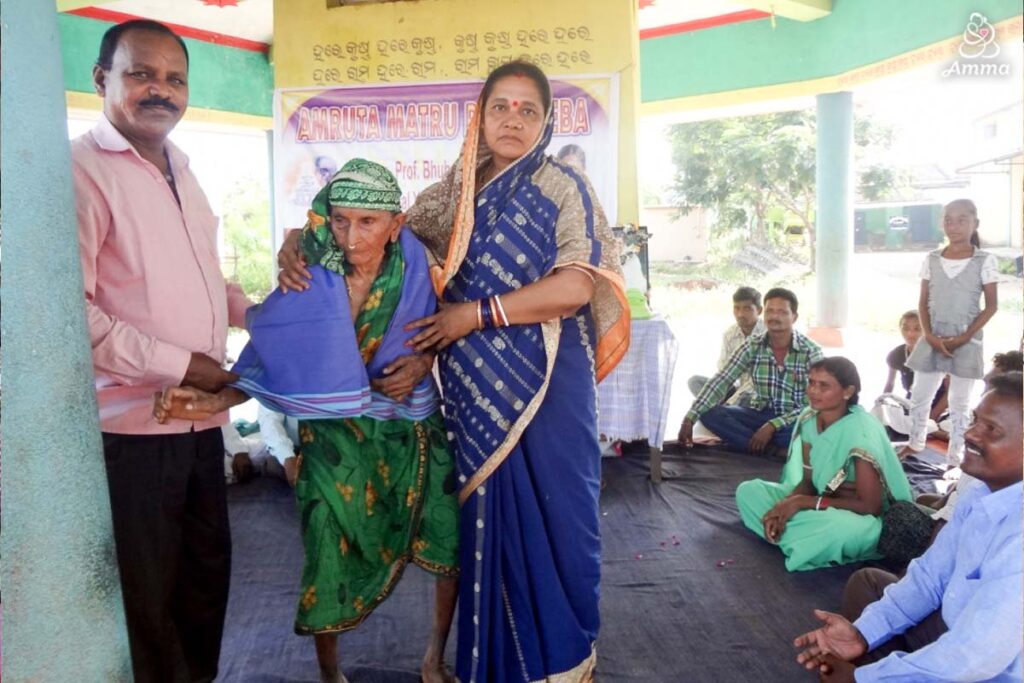
It was 2006. Although born in Odisha, Yashodhara now lived in Delhi. She was in Kalahandi to expand Amma’s humanitarian reach into the district. However, with her gaze locked upon the woman, she froze. Since childhood, she had witnessed the pain of the poor many times, but always from a distance. Now, she felt overwhelmed and could not even imagine how to begin.
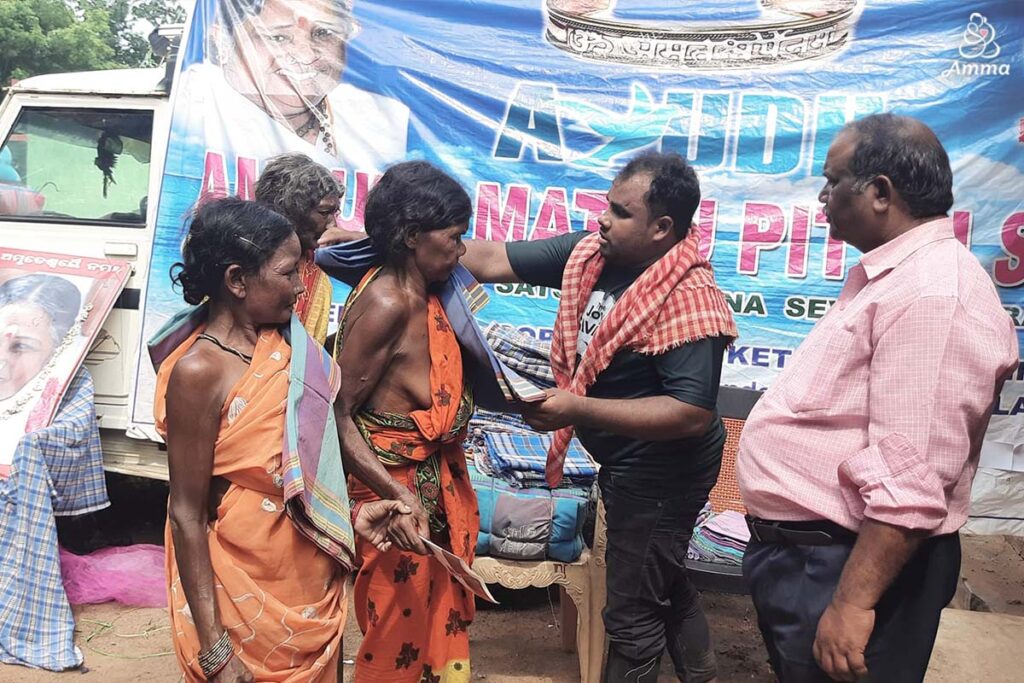
Just as suddenly, a clear image appeared in her mind. She saw Amma as a child in her poor fishing village helping neighbours and the other children in whatever way she could. With this scene illuminating her heart, Yashodhara went to the local market and bought 15 new saris to distribute to the elderly women in the village.
At the time, Kalahandi was recovering from decades of distress triggered by recurring droughts. As crops continued to fail, the district came to embody what was globally termed the Kalahandi Syndrome—endemic poverty that led to deaths by starvation, survival migration, and the trafficking of children born of extreme desperation.
When Yashodhara arrived, the situation had already improved significantly through the establishment of government welfare schemes and the efforts of humanitarian organisations. Yet, many people in isolated communities still lived on the margins.
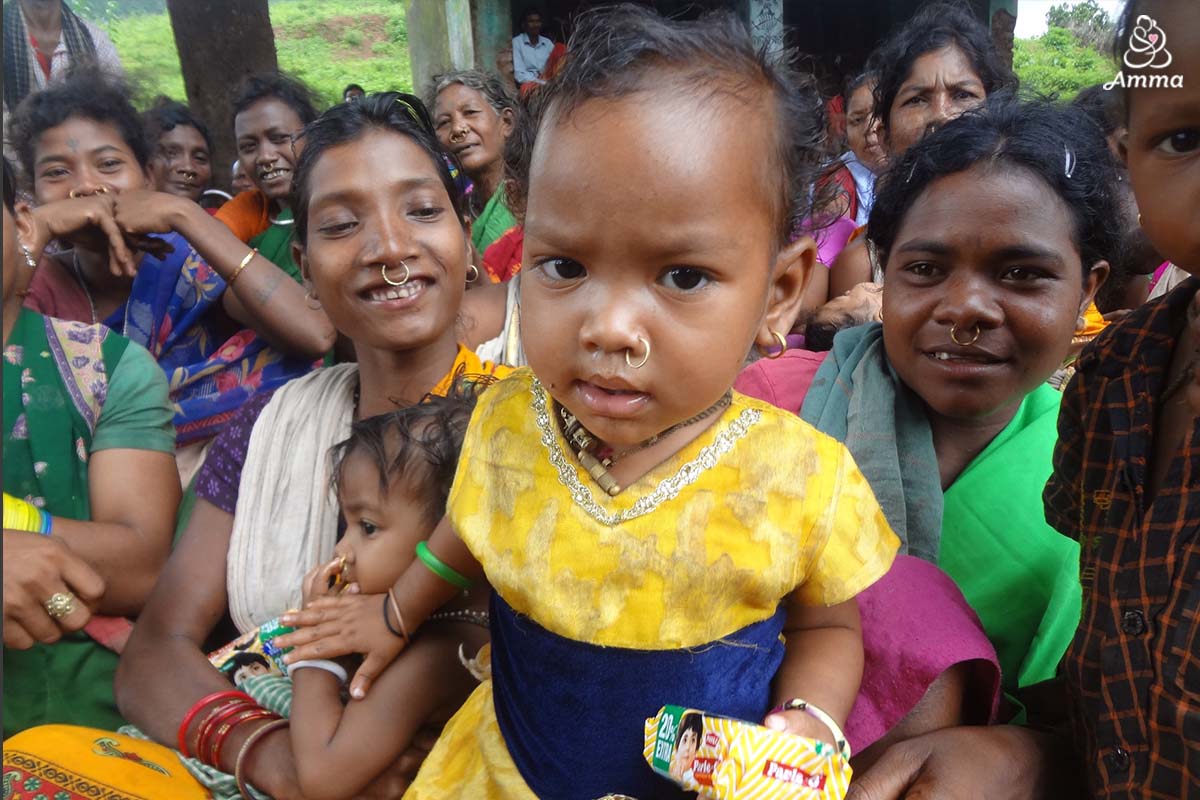
She continued her travels to tribal villages tucked away in remote hilly areas. There were no proper roads or facilities like schools and hospitals. Without any landed property or other steady means of income, the young people worked in cities as daily-wage labourers and visited their homes occasionally. The elderly were left behind, mostly to fend for themselves.
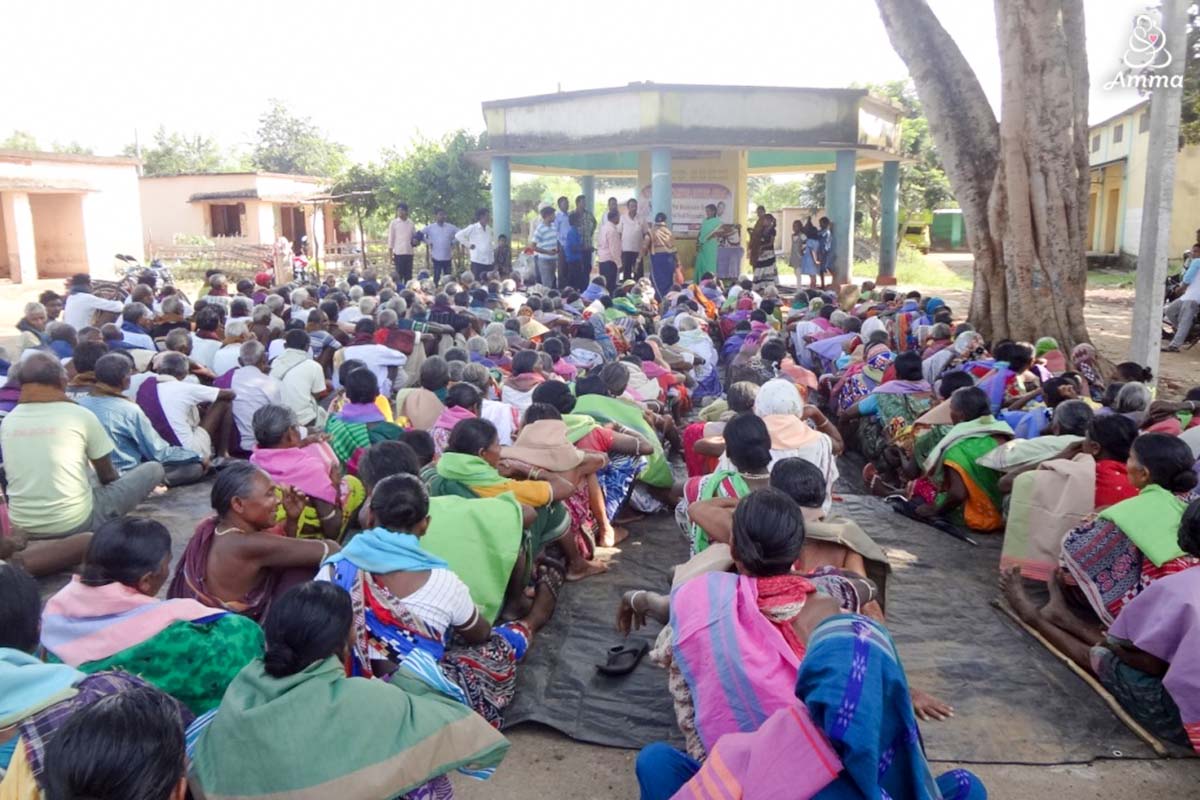
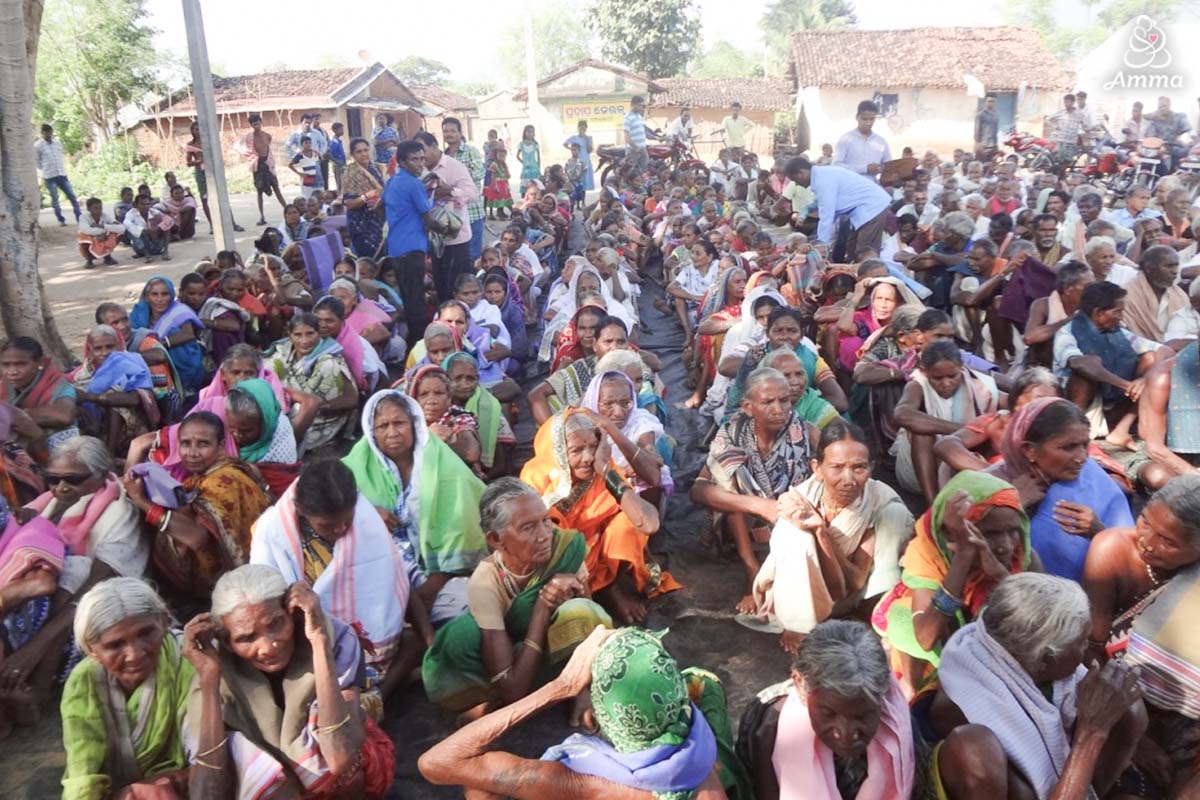
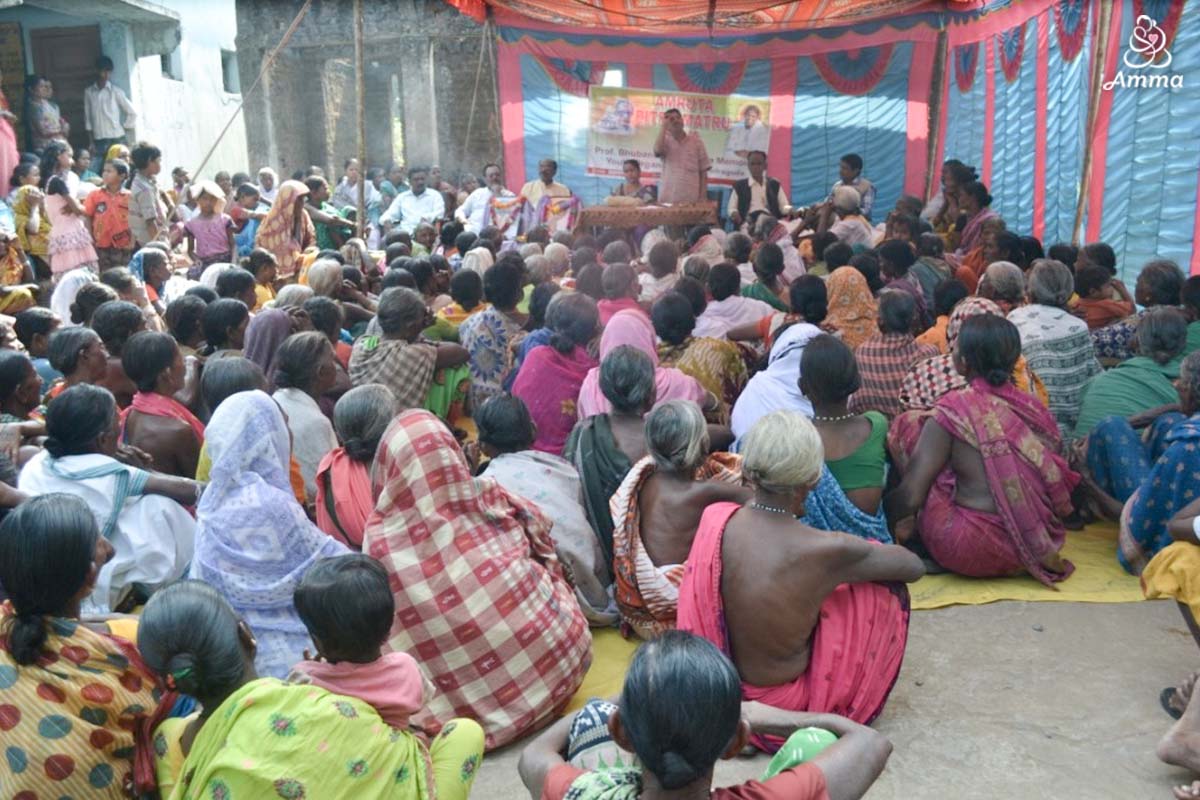
Wherever possible, however possible
With genuine empathy, Yashodhara began organising seva programs through a network of local volunteers. A young, enthusiastic group named the program Amrita Matru Pitru Seva—Seva for Our Mother and Father. Of course, she was driven by the need to help people in grave suffering, but what inspired her even more deeply was a respect for their power to survive.
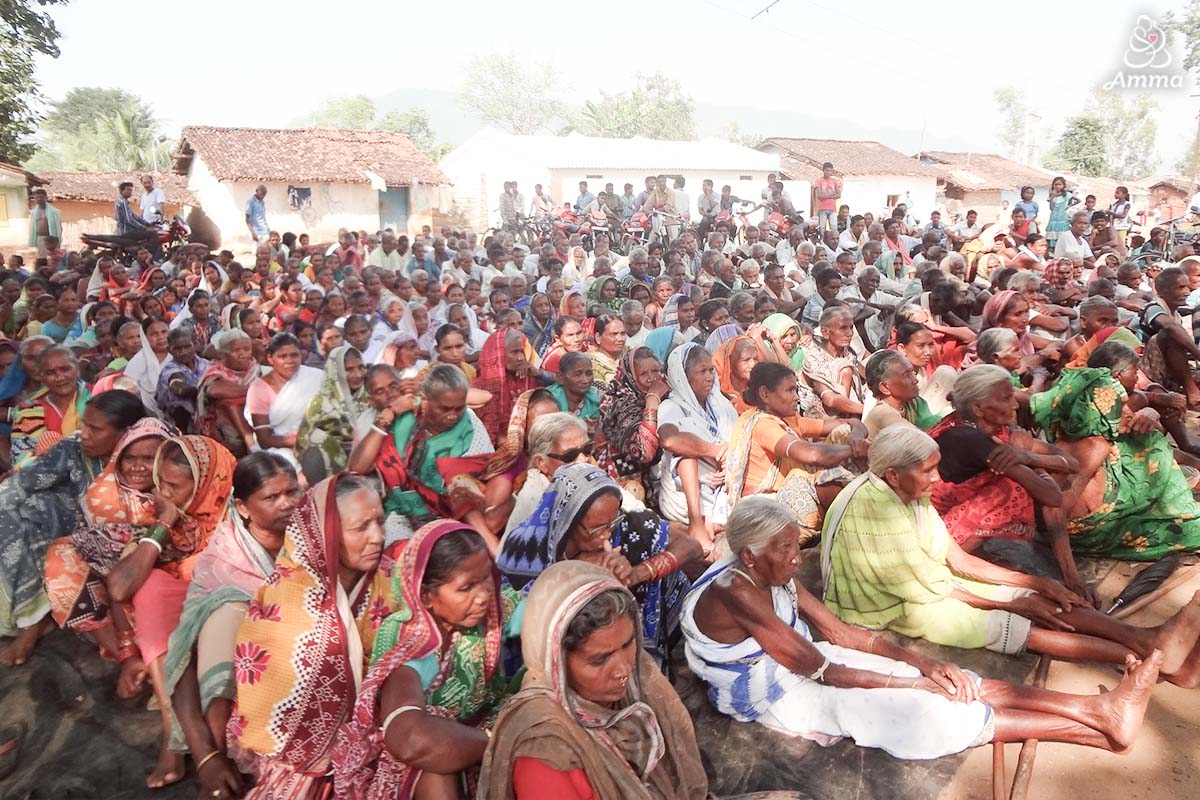
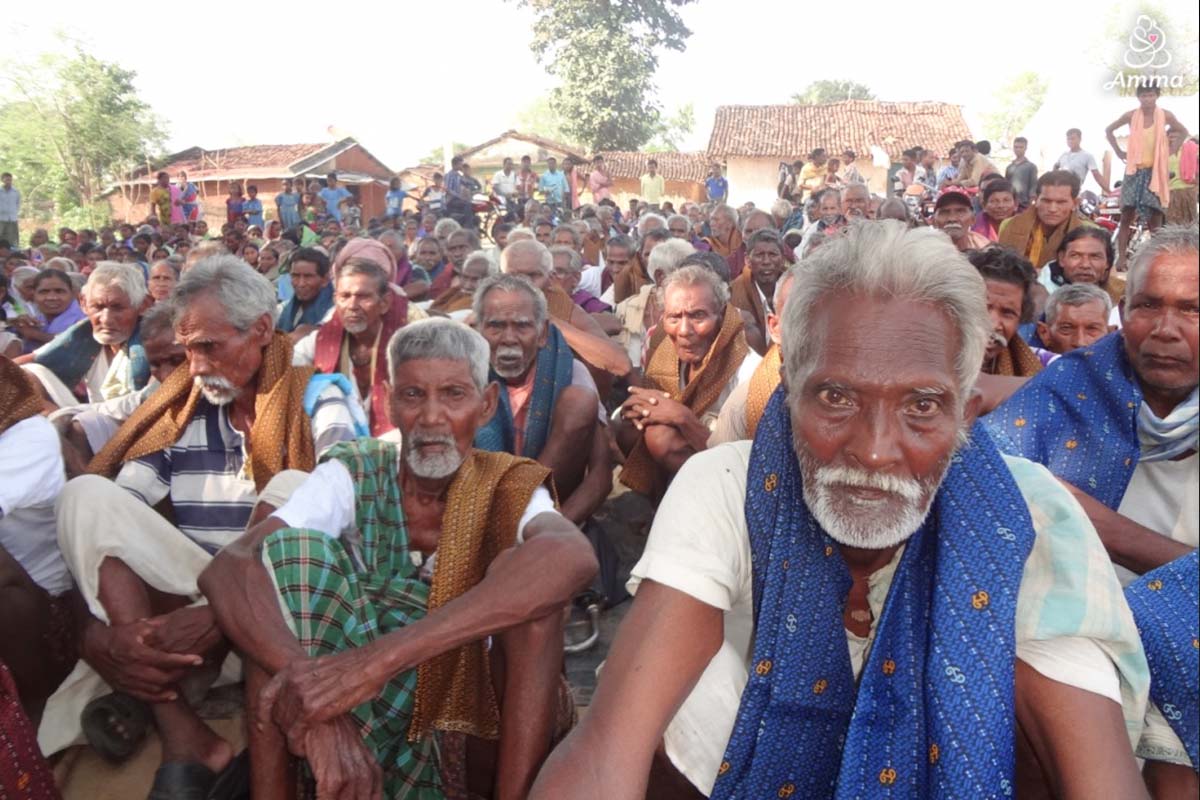
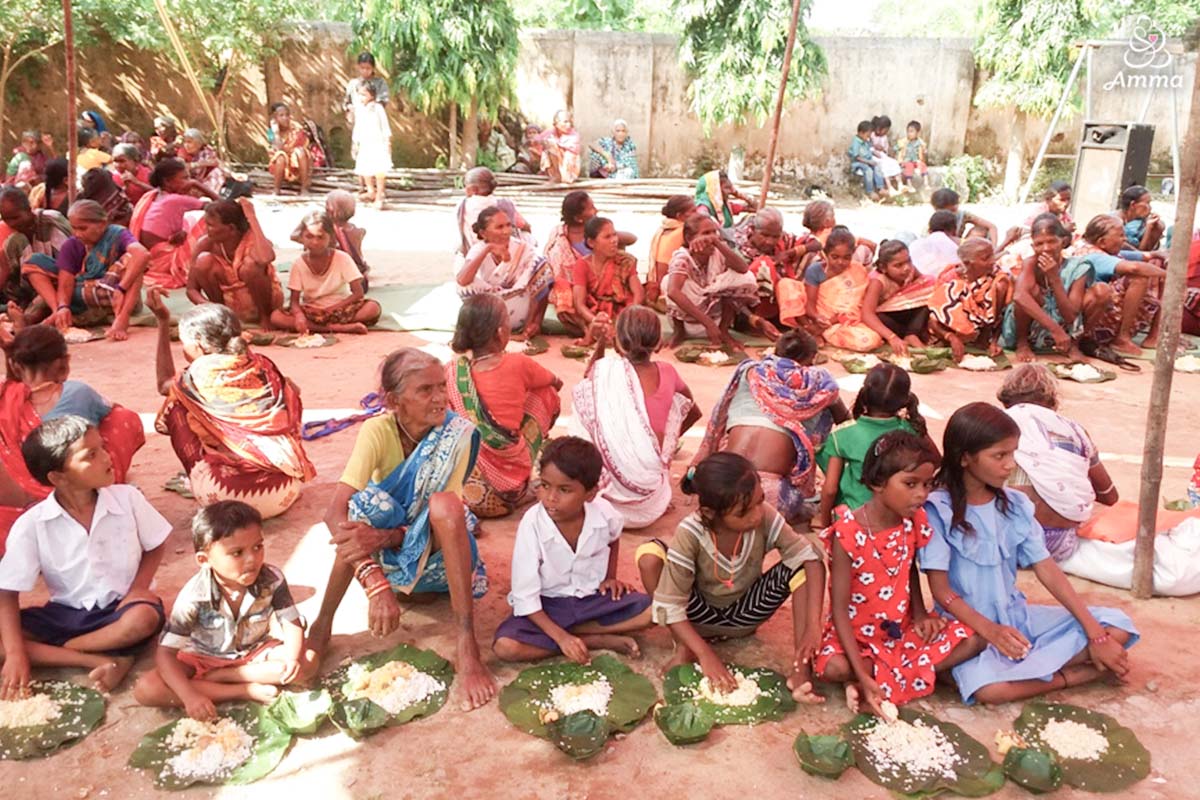
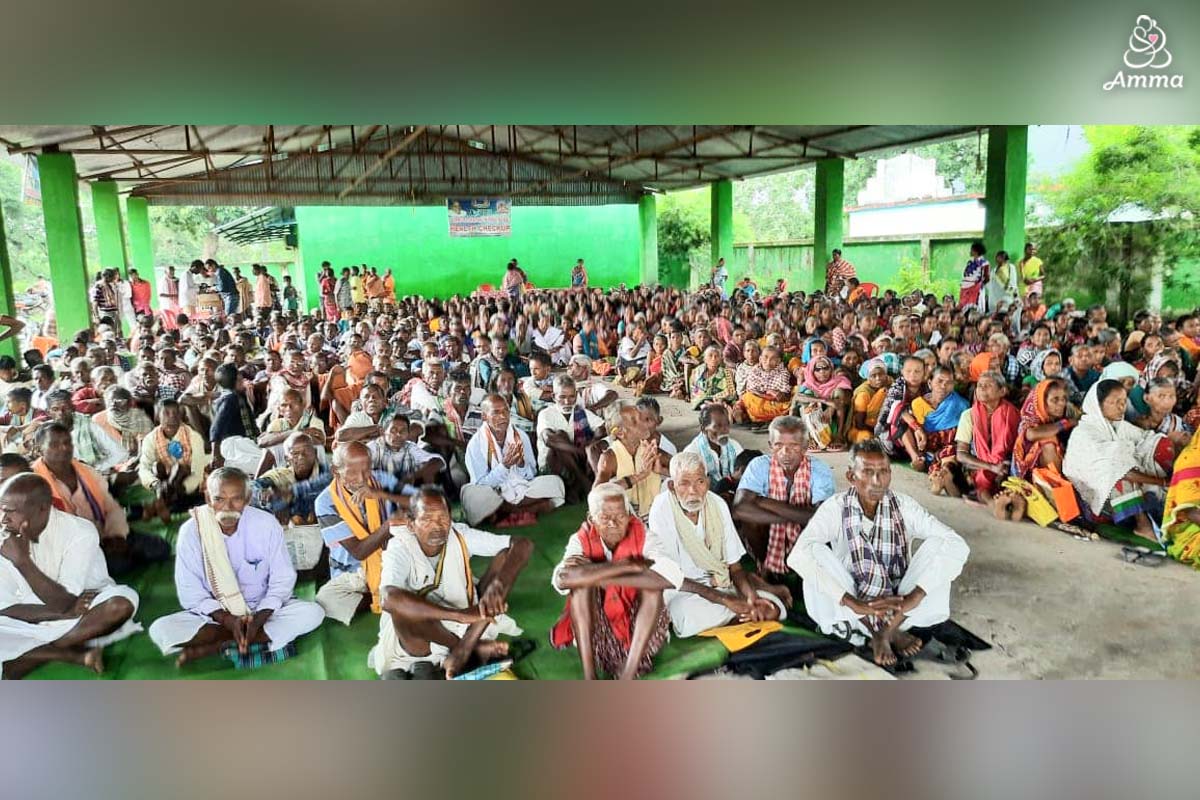
In the early years, the programs were held in an open ground, under a mango grove, in a school compound, or wherever possible. It started by providing some comfort to the elderly who continued to drag on day after bleak day of their eventless lives.
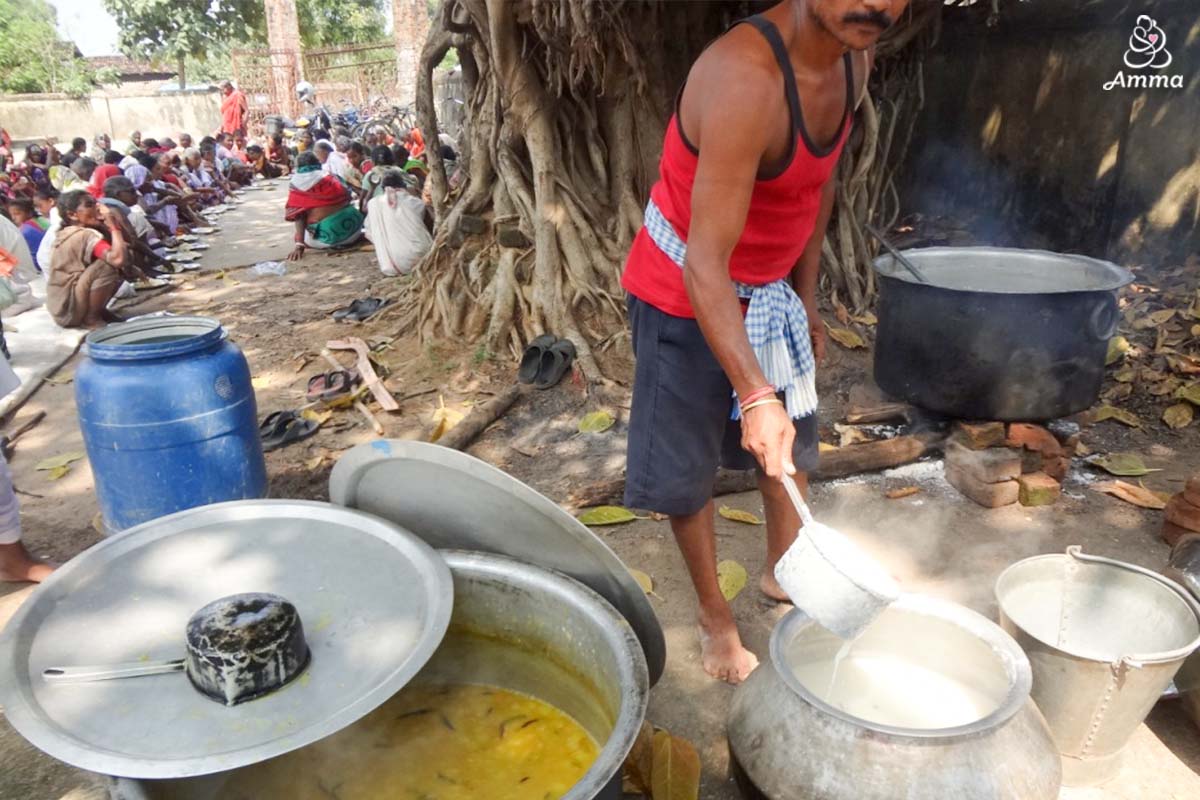
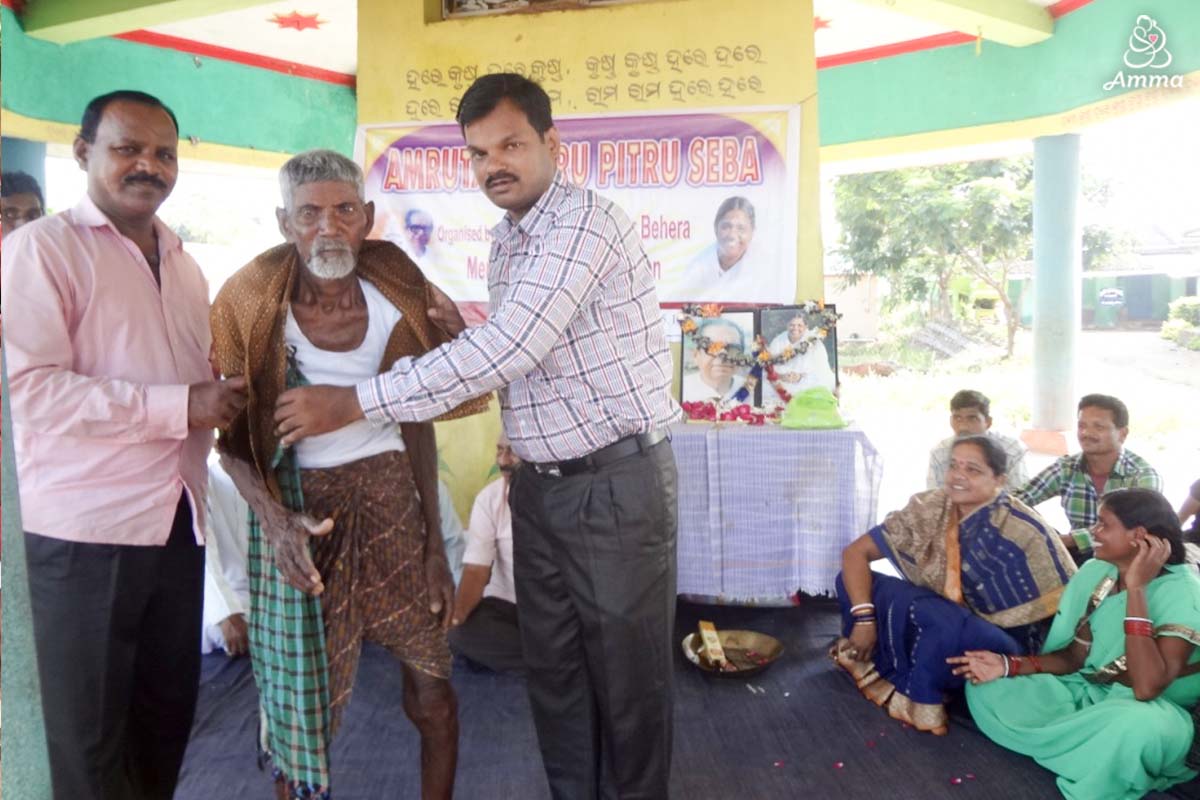
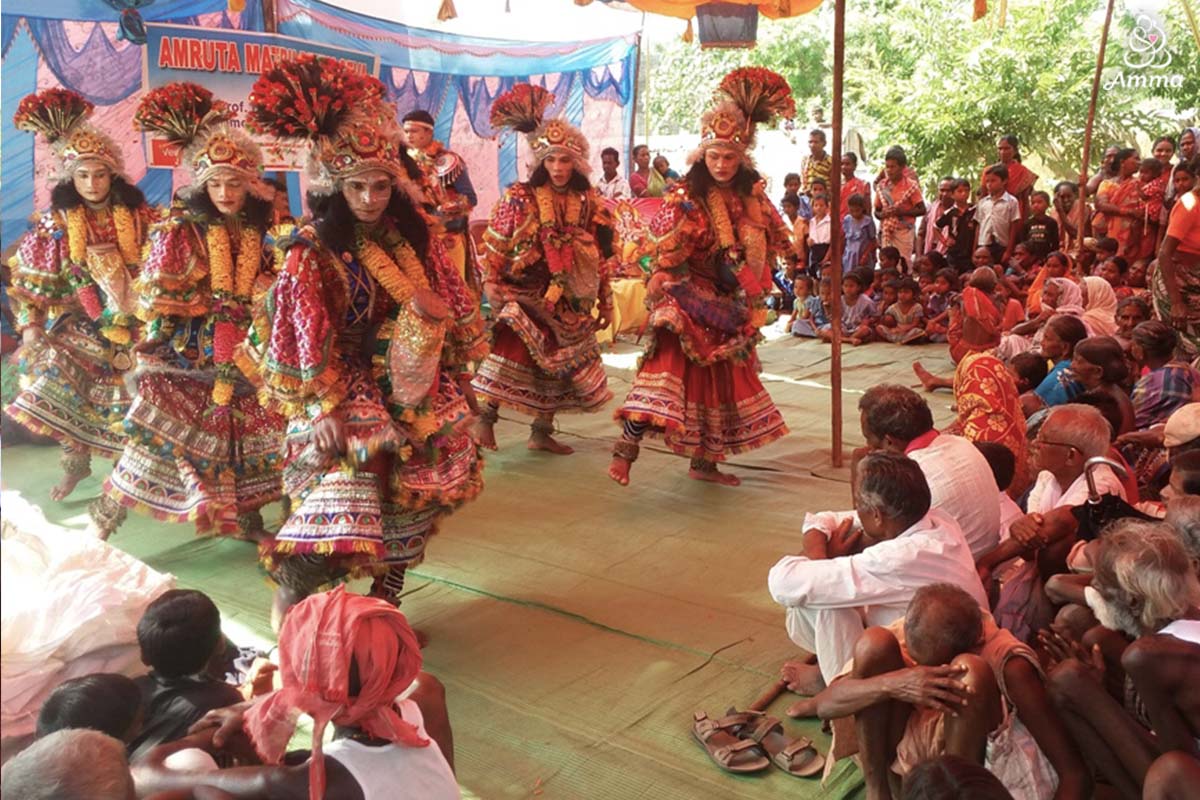
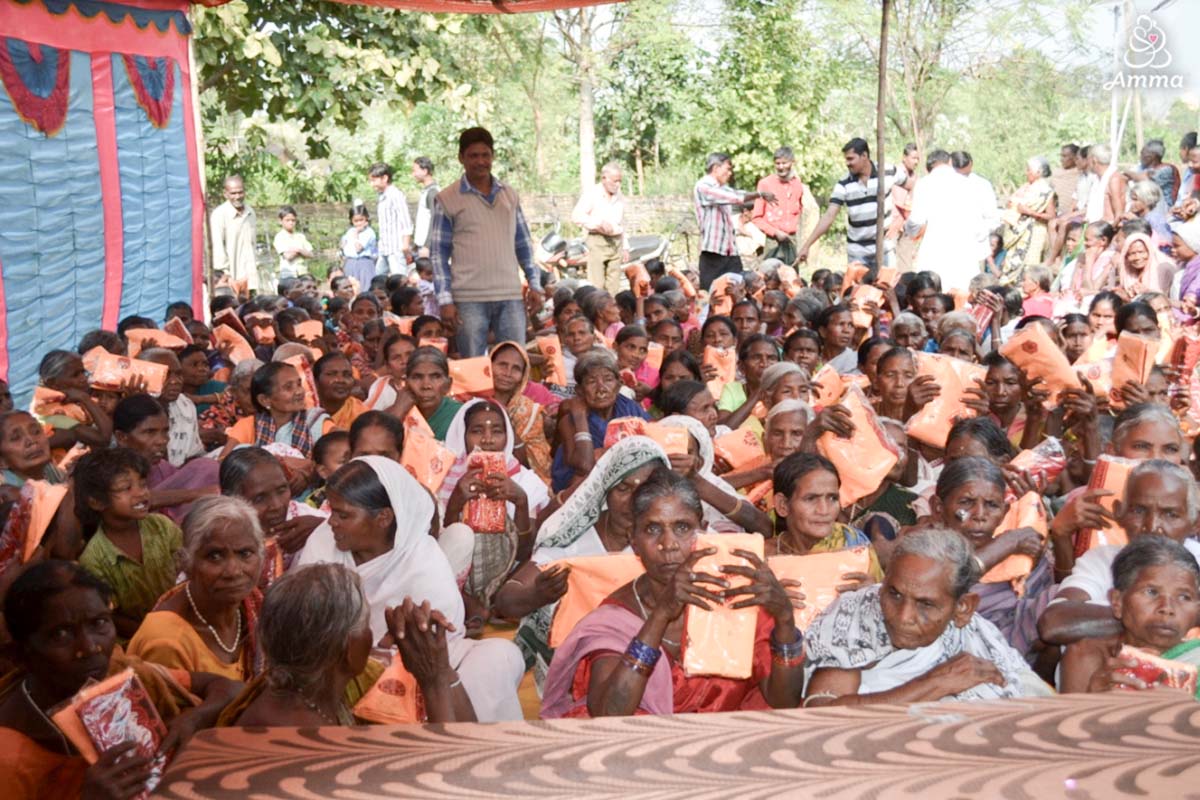
During major religious festivals, the volunteers would invite about 100 to 150 people for a cultural program in folk tradition. Then they would provide rudimentary health checkups, free medicines, a wholesome meal , and a gift of saris, dhotis, and blankets.
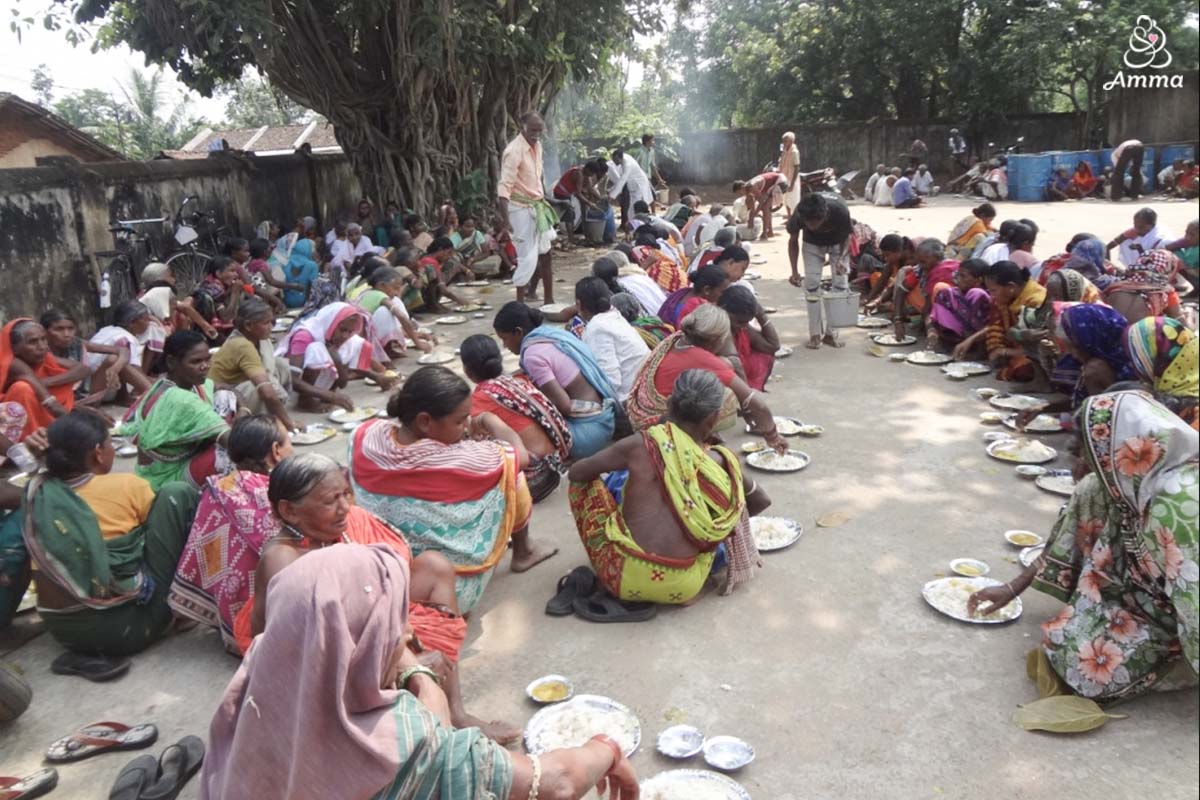
When compassion meets reality
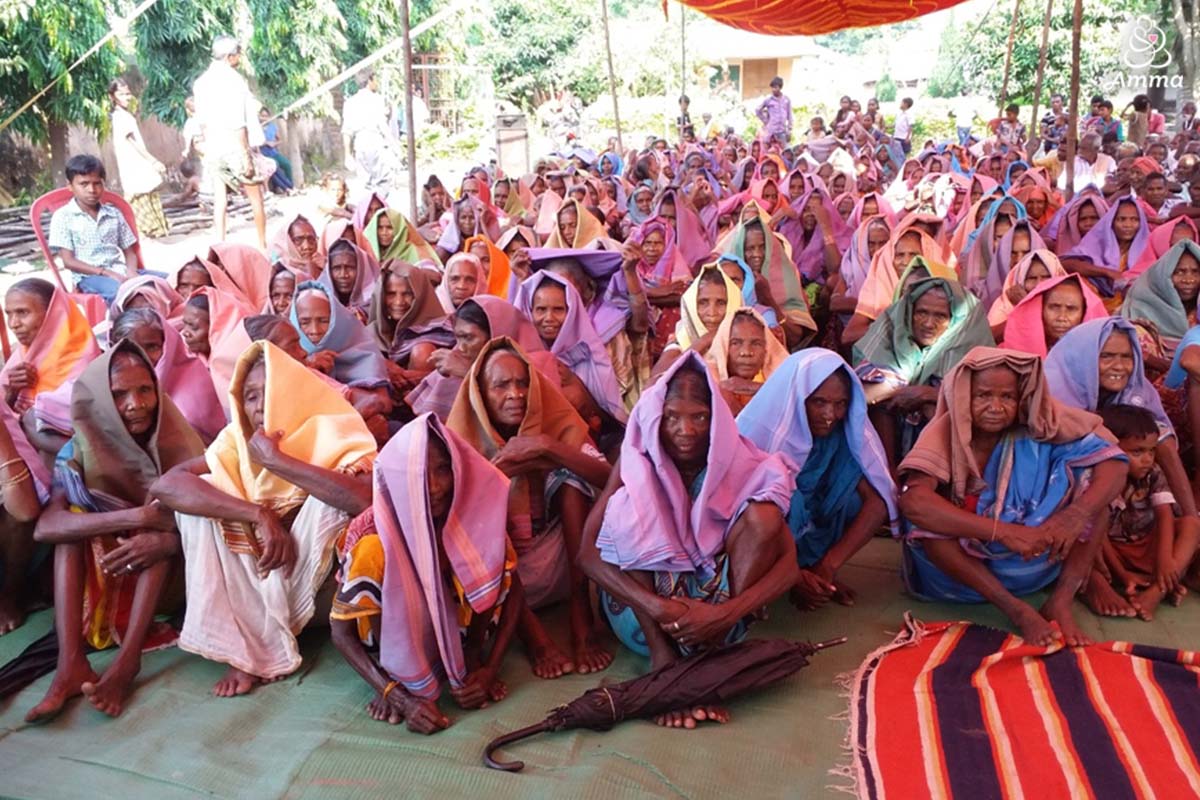
Over the years, the events have vastly expanded and today, each one cares for about 1200 to 1500 beneficiaries, mostly women and people with disabilities. While extreme hunger deaths have declined and food security has increased, Kalahandi still faces high levels of poverty, especially in tribal areas.
With growing support from local NGOs, institutions, medical teams, and community leaders, the work remains focused on providing some relief and solace to village elders, for whom a good meal is a luxury and a new piece of clothing a precious gift. Many of the patients remain without the knowledge or confidence to go to a local hospital unless it is a critical situation.
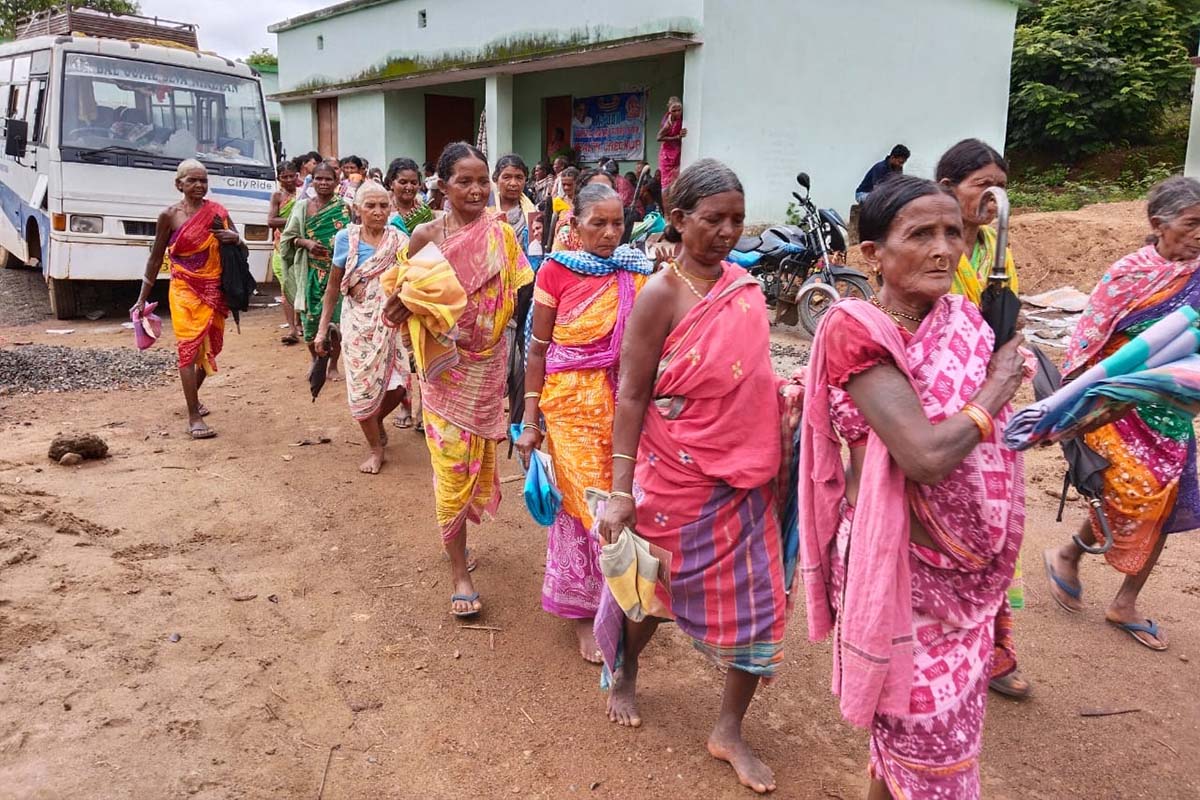
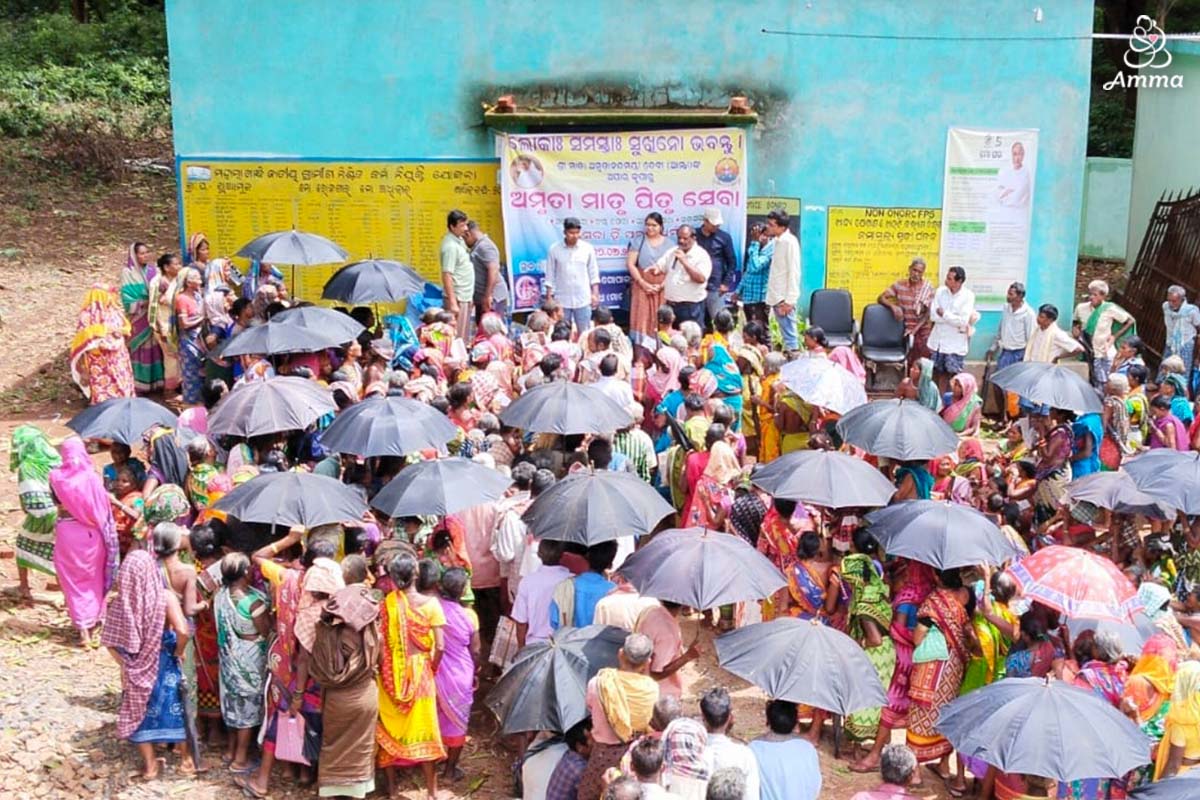
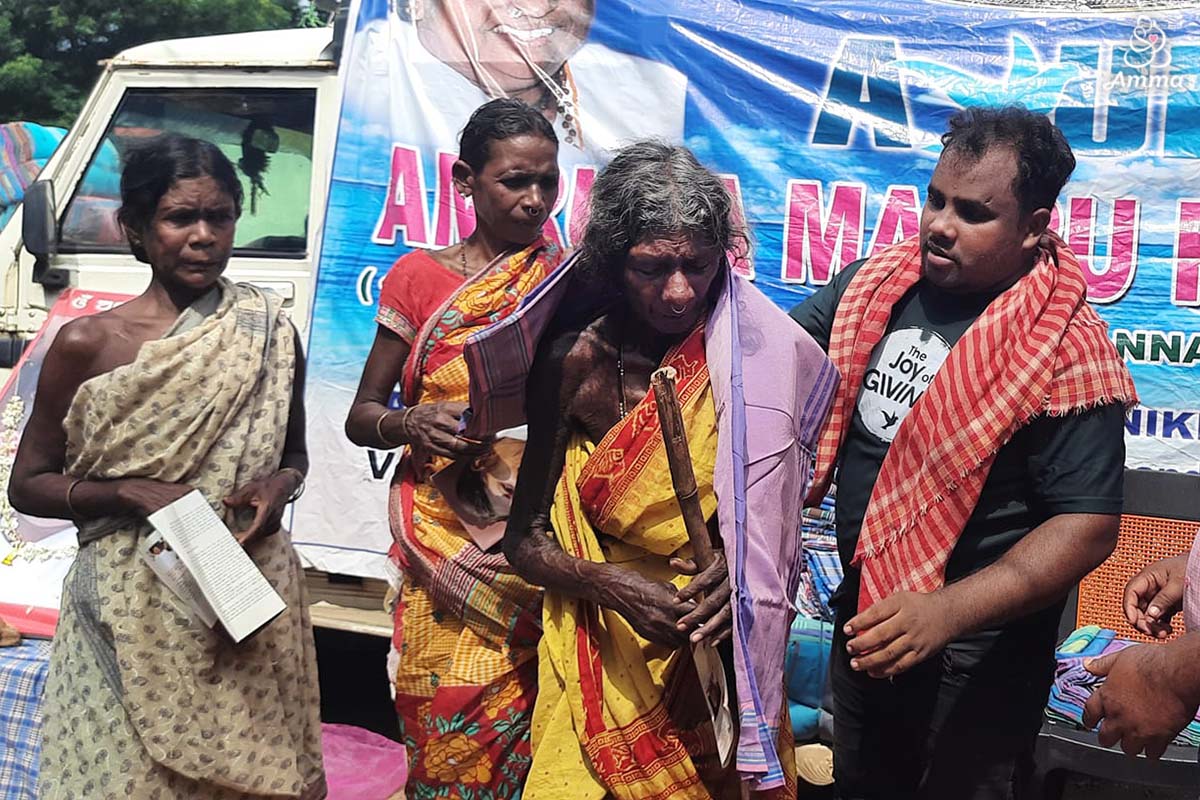
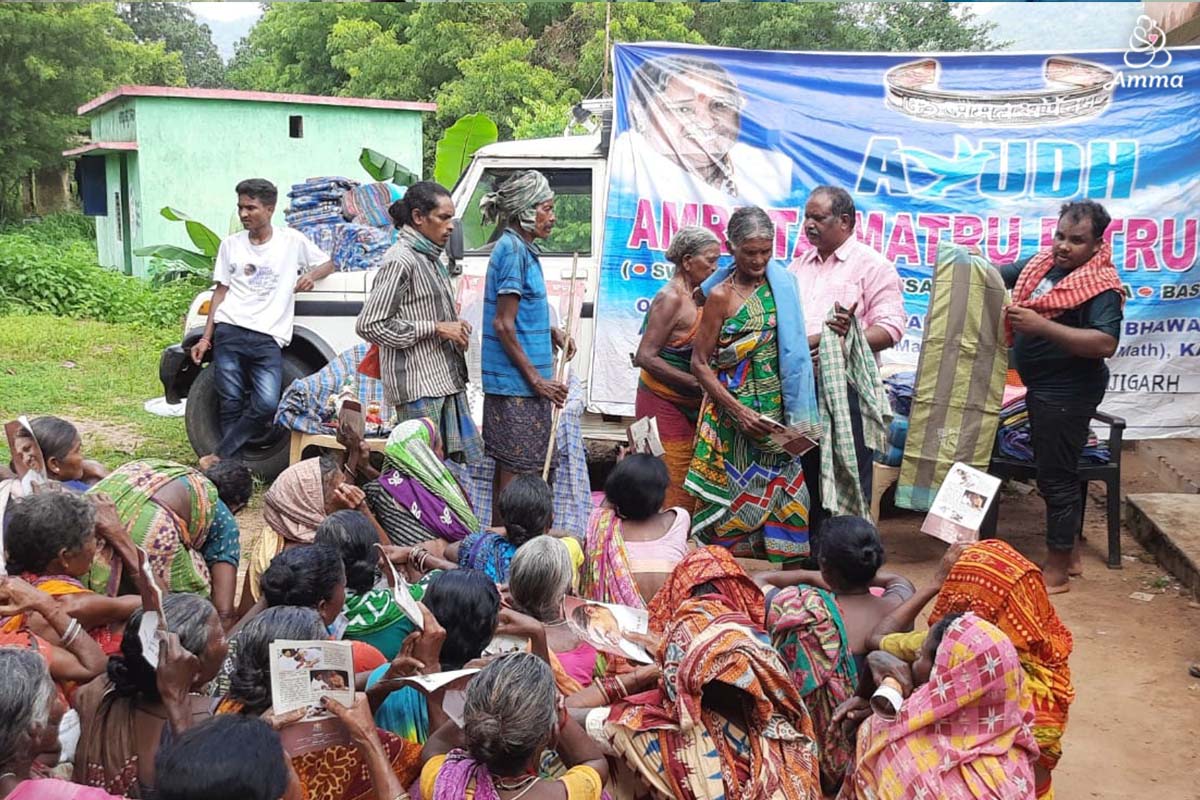
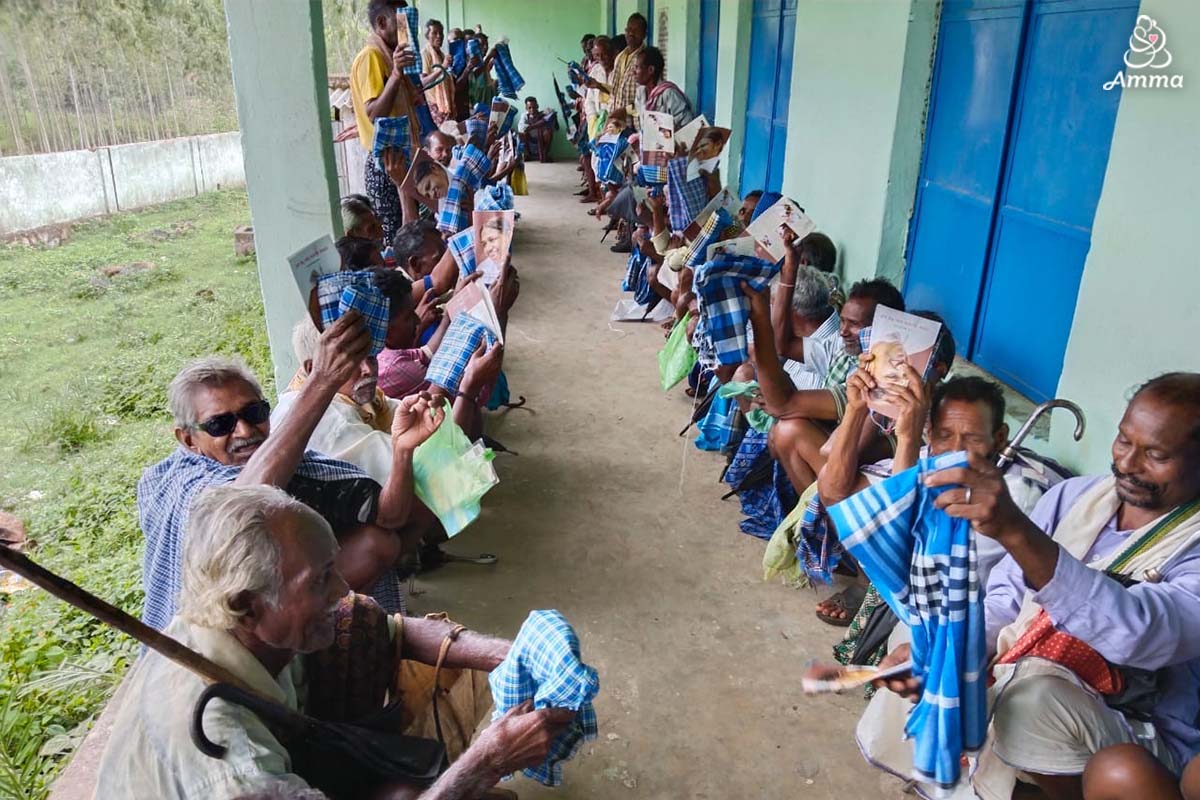
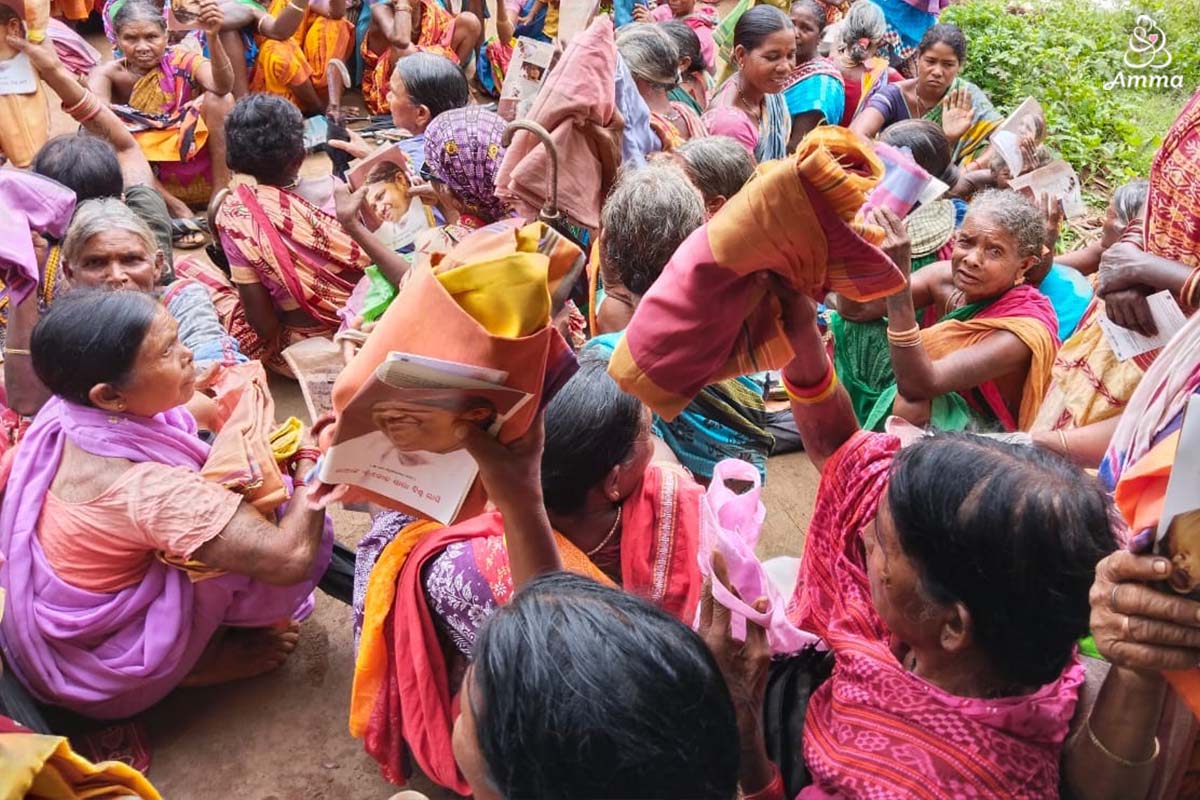
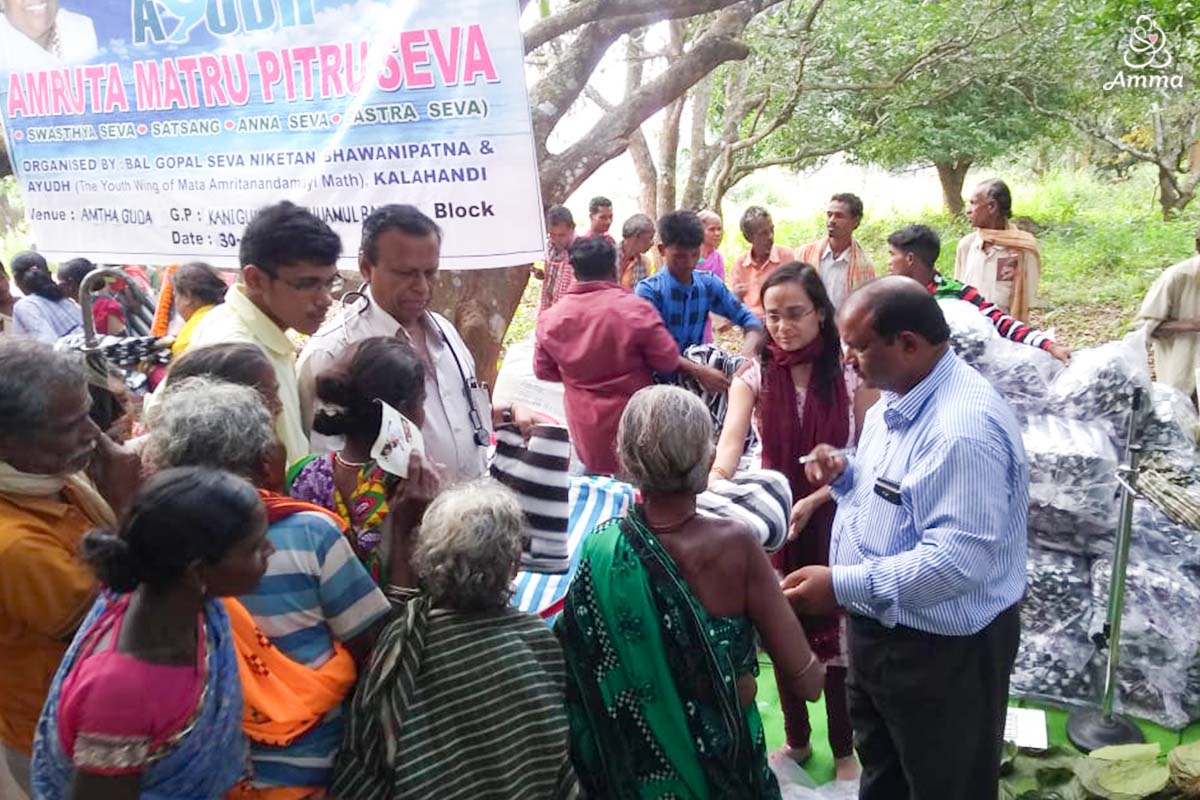
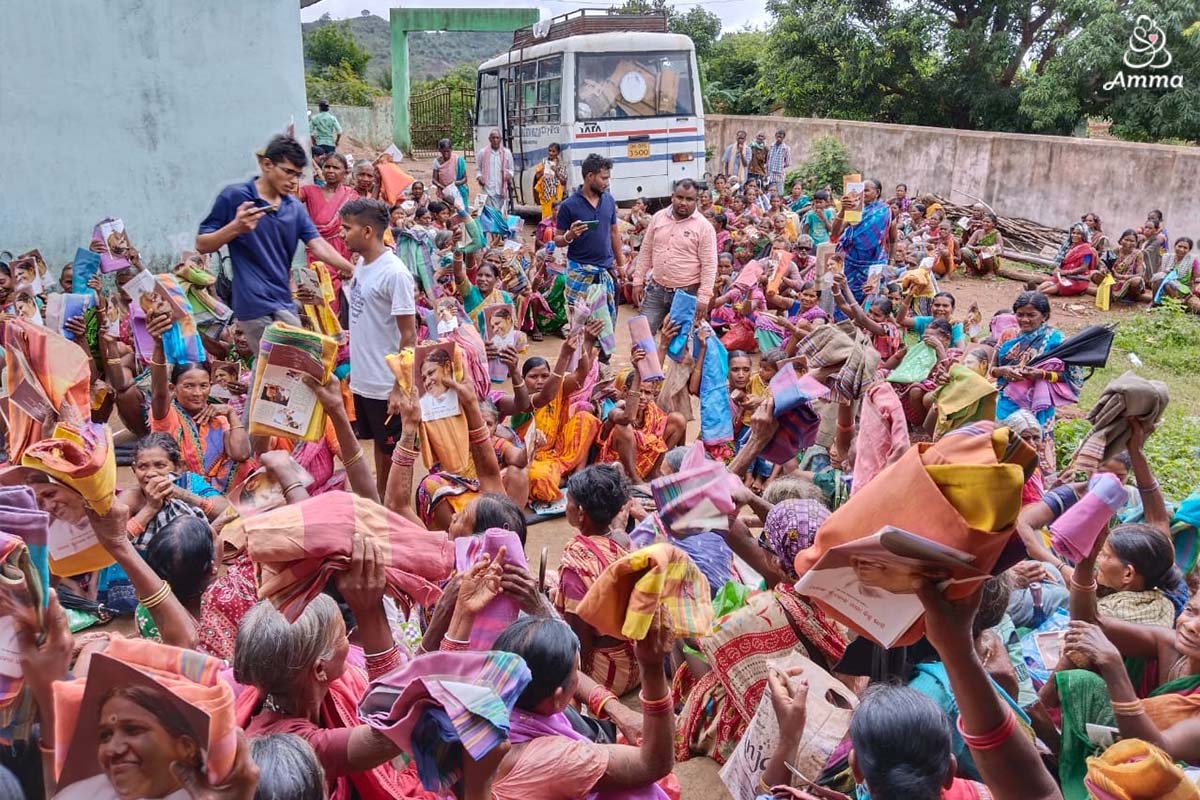
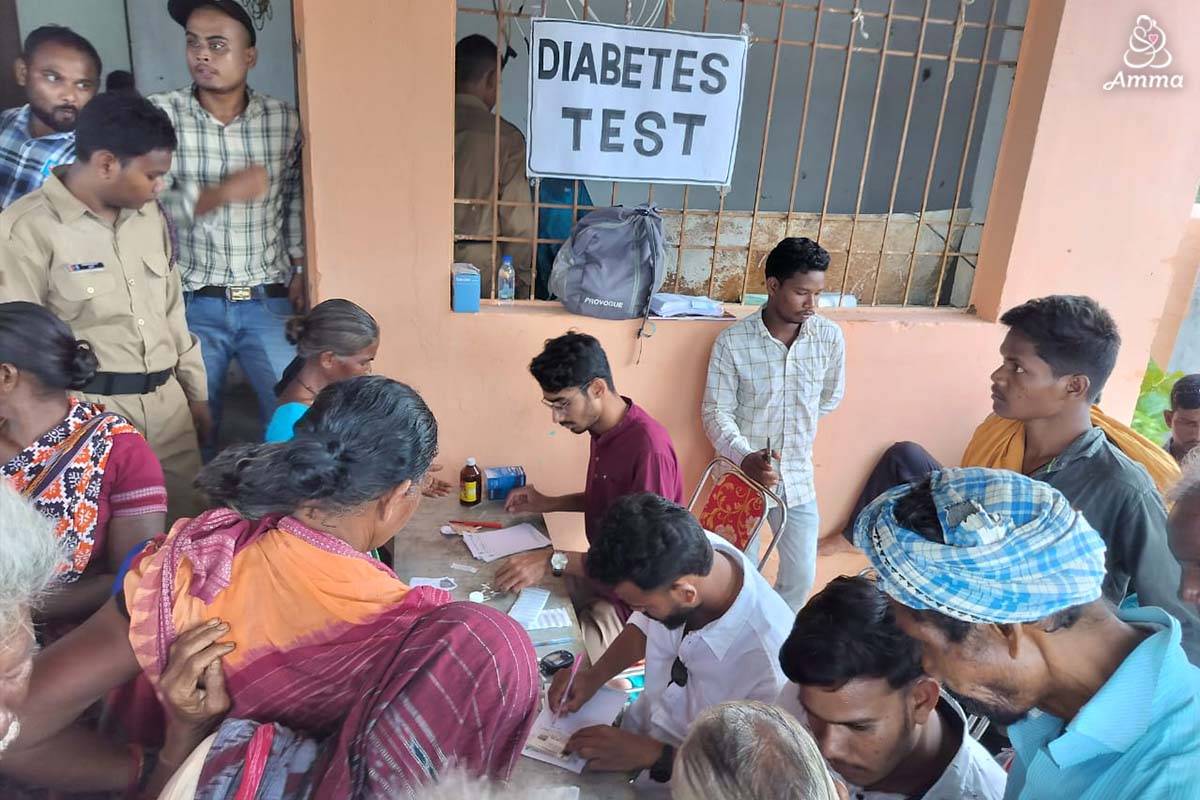
Today, the events are led by Hemanta Mund and Sunanda Mishra, a husband and wife who manage Bal Gopal Seva Niketan, a private orphanage in Kalahandi. In advance, volunteers visit a chosen community and conduct a survey within a three to four kilometre radius to reach out to people in need. On the day of, the Central District Medical Officer sends a team of doctors and paramedics to carry out advanced health checkups, and the district hospital helps with free distribution of essential medicines.
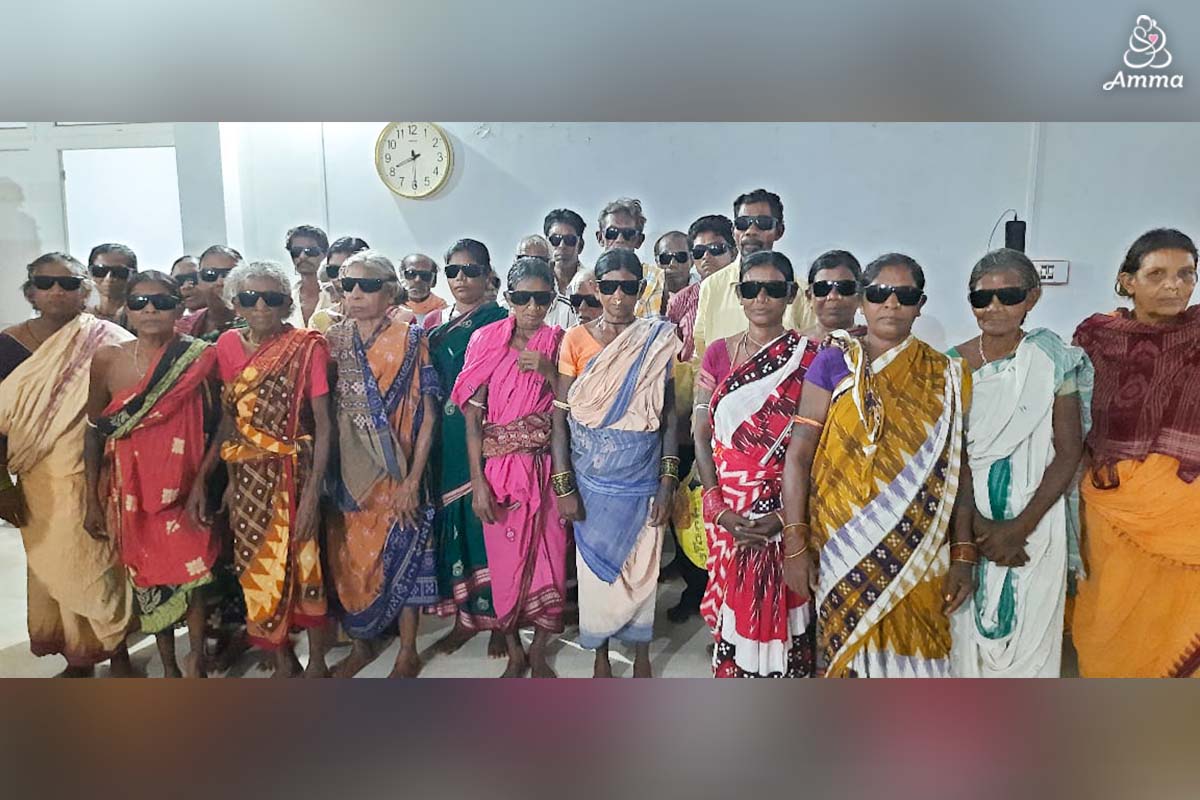
The medical treatment includes general physical checkups for signs of ailments like TB, cancerous growths, common skin diseases, etc; blood tests for diabetes detection; eye tests including cataract detection; and dental and mouth cavity checkups.
As well, a charitable hospital, Jagannath Netralay, carries out free cataract surgeries that include hospital stay for two to three days and pickup service to and from the patients’ villages.
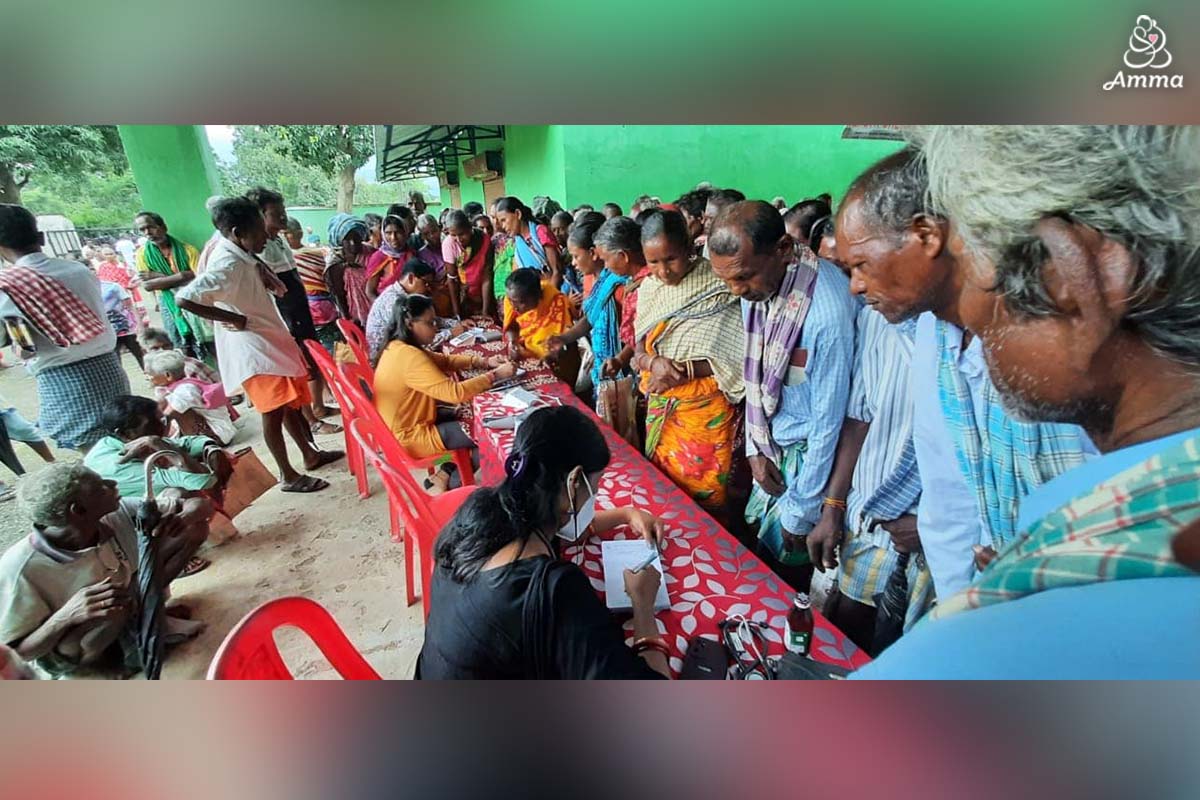
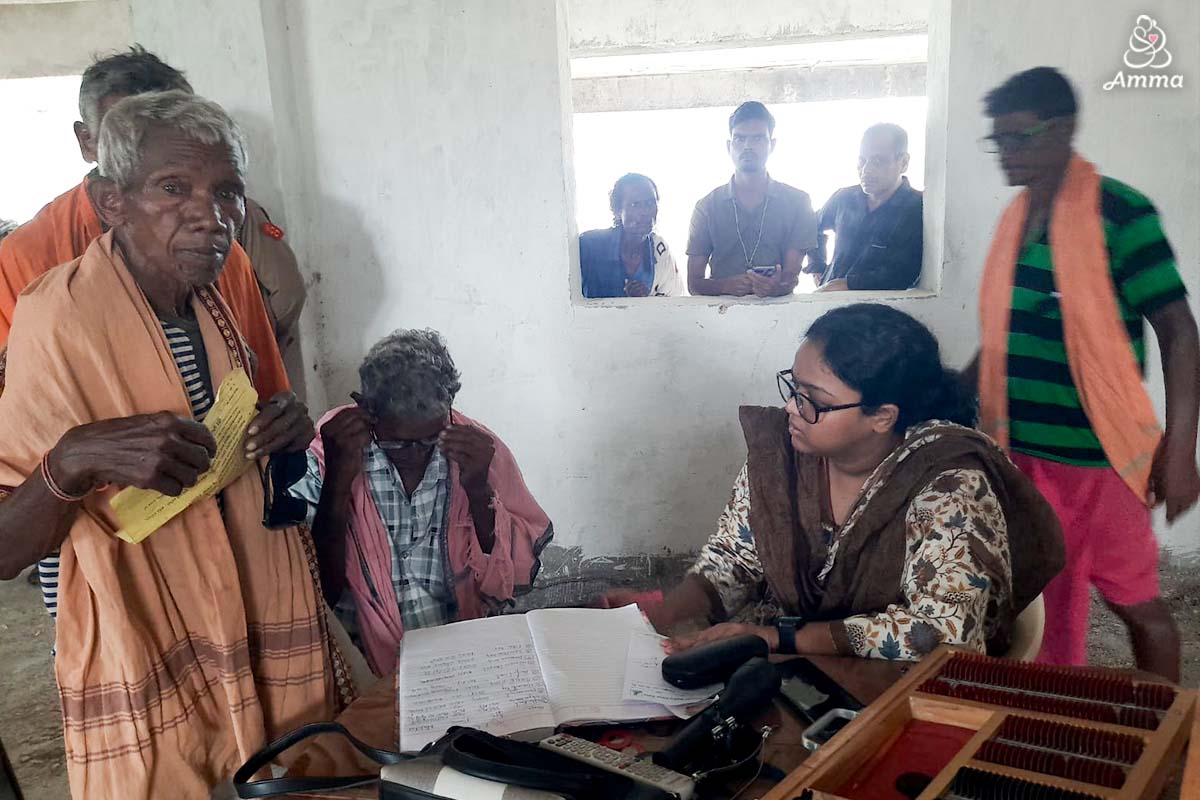
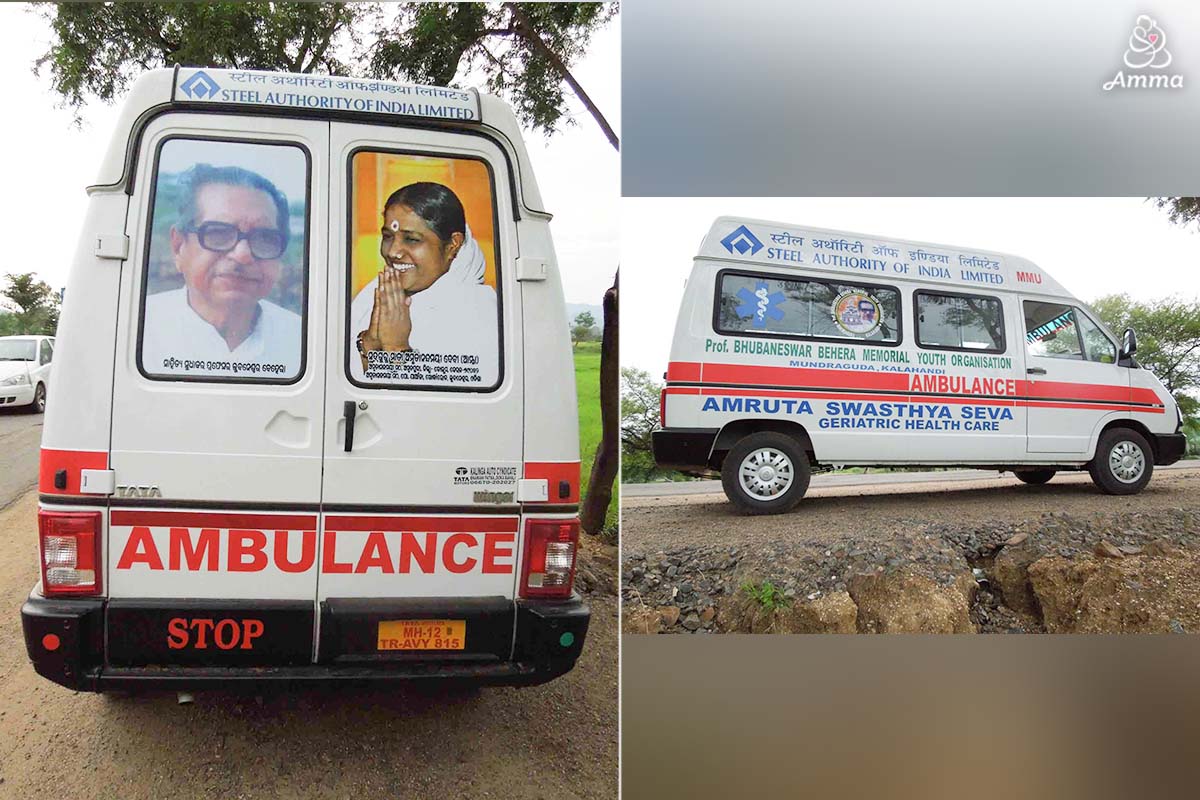

Amrita Matru Pitru Seva became strong enough to respond after flash floods hit Kalahandi in 2017. Teams reached the people in Thuamul Rampur block, one of the places worst hit after intense monsoon rainfall triggered rivers, washed out bridges, and left villages isolated.
It is also one of Kalahandi’s poorest blocks with four out of five households below the poverty line.
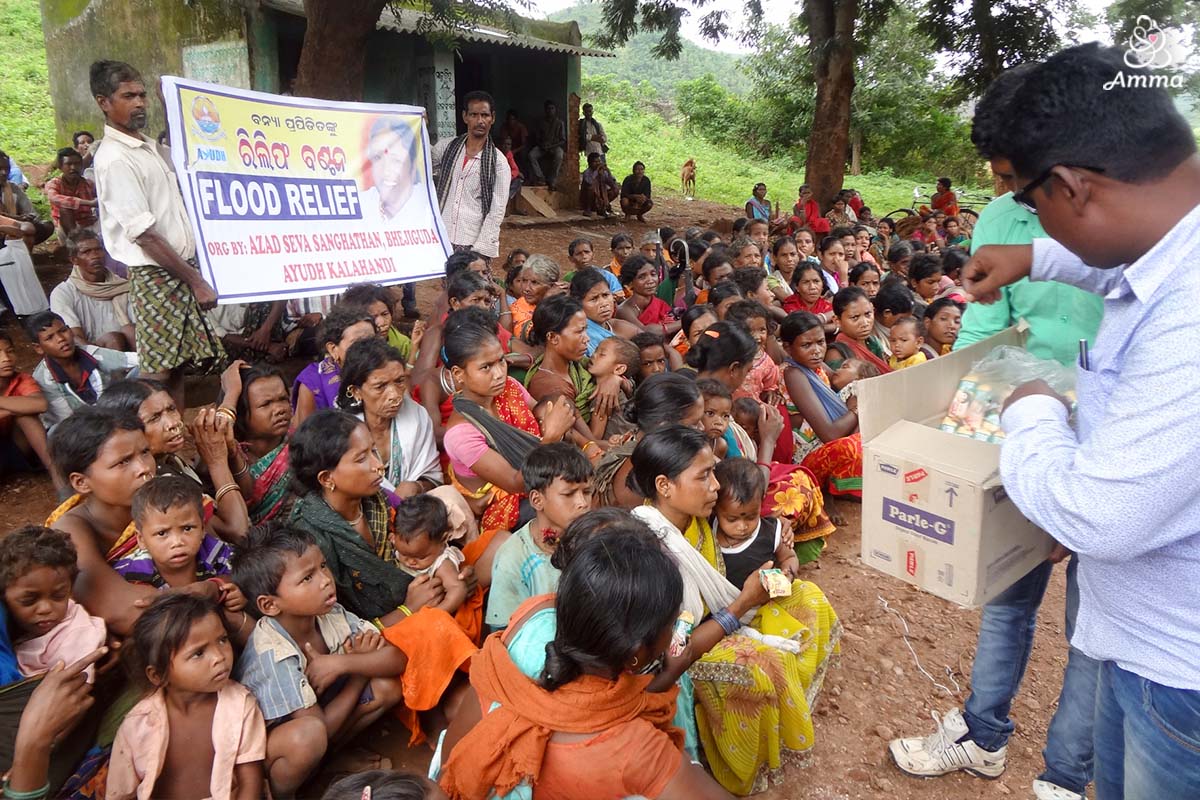
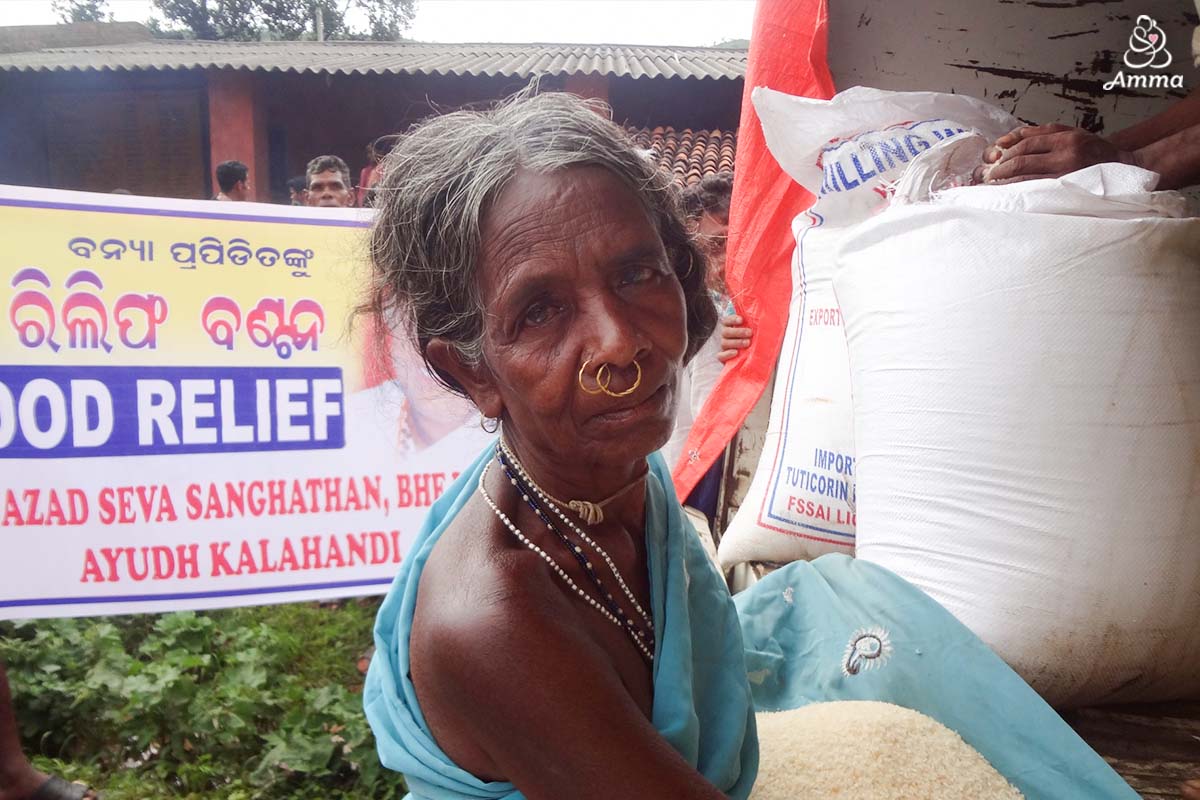
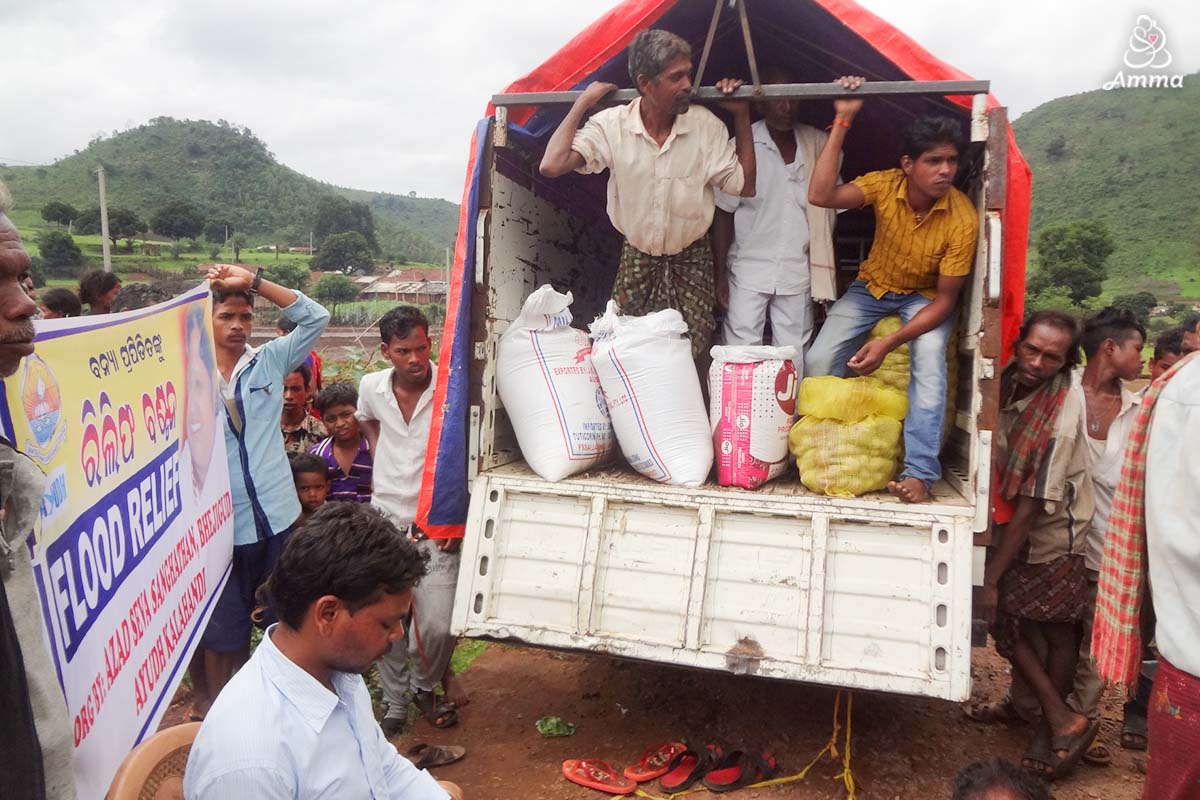
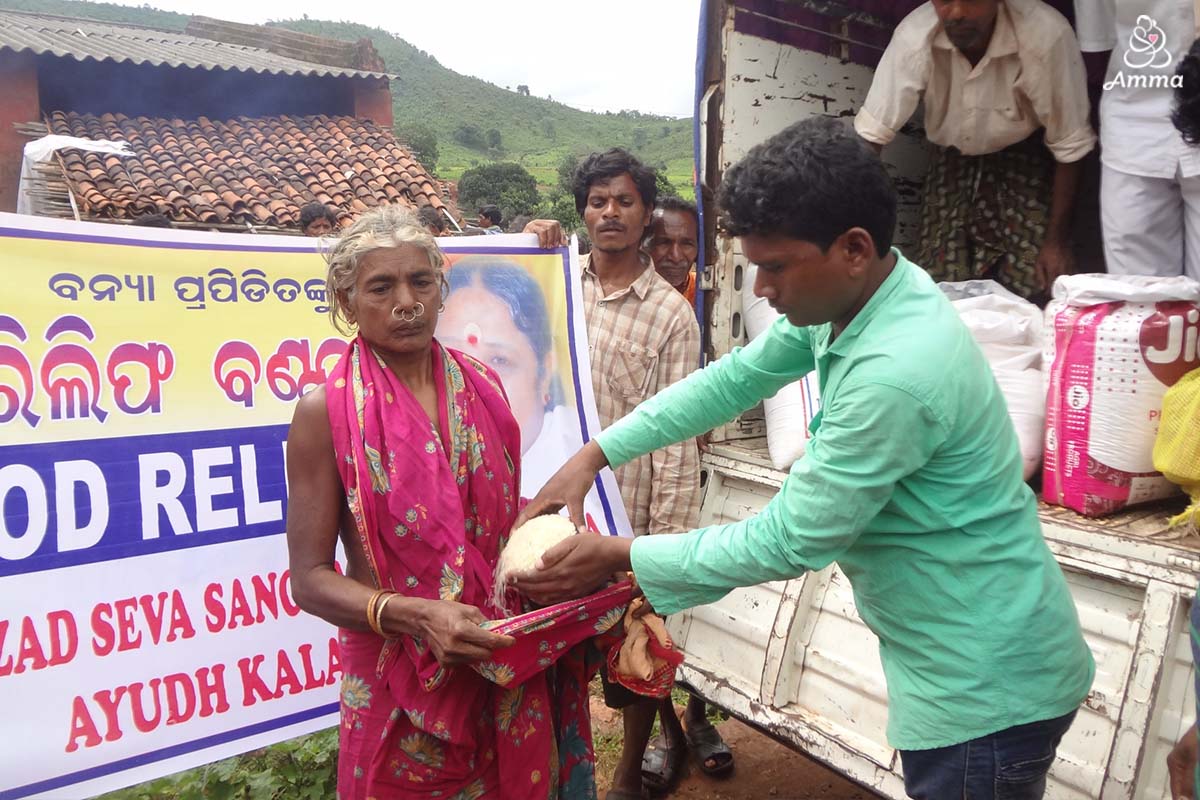
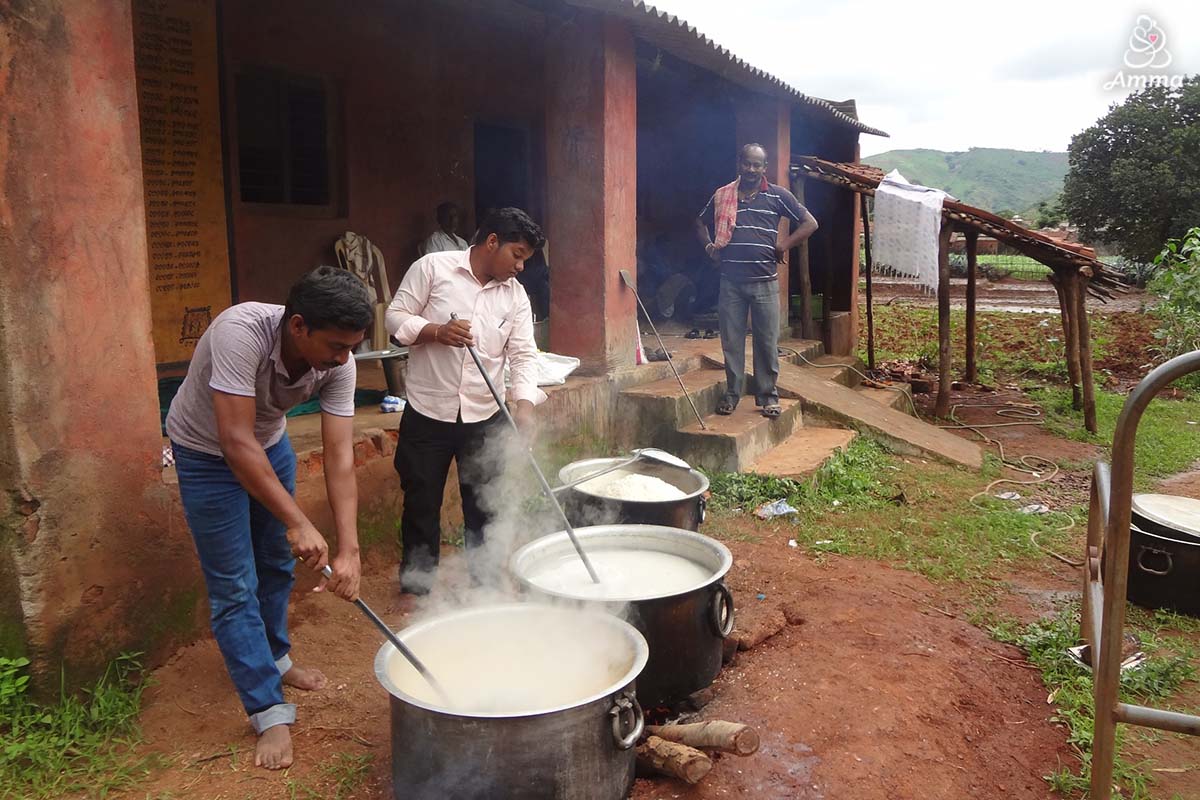

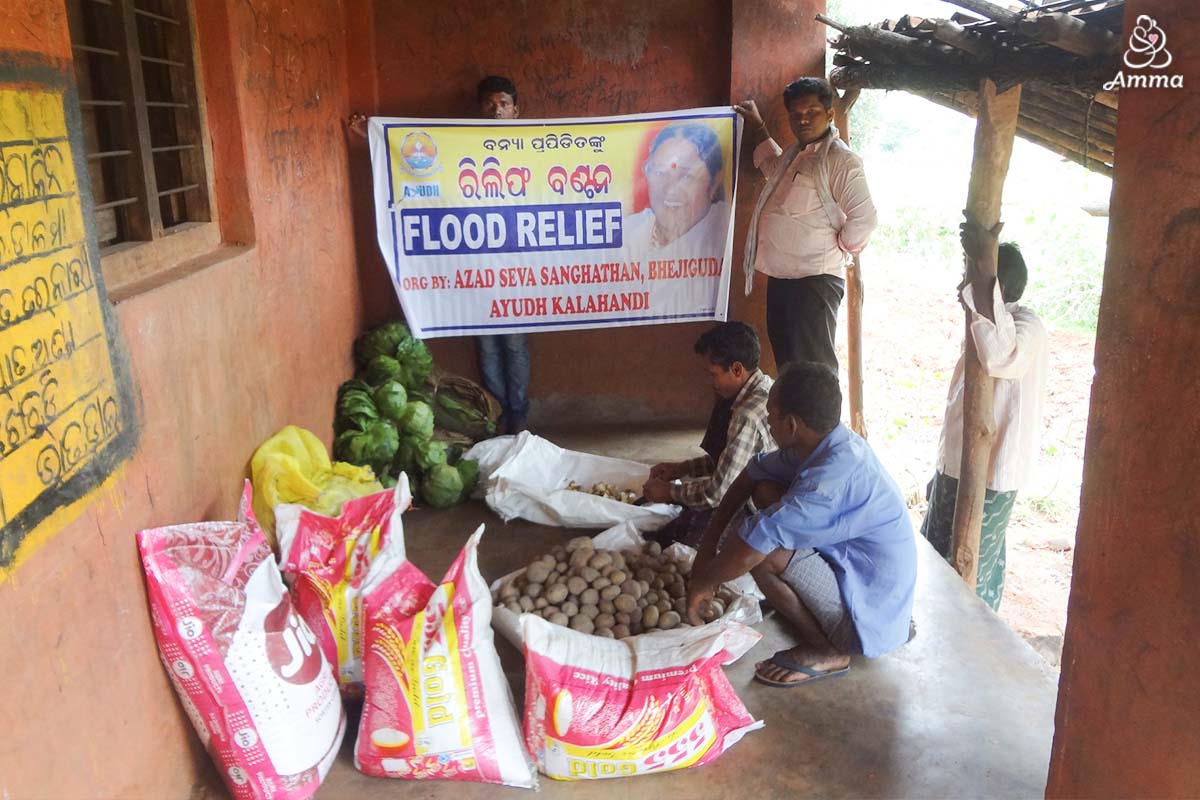
Even more compelling was the dedication of the volunteers to go to isolated tribal communities during COVID-19. This regardless of the fact they were putting their own lives at risk.
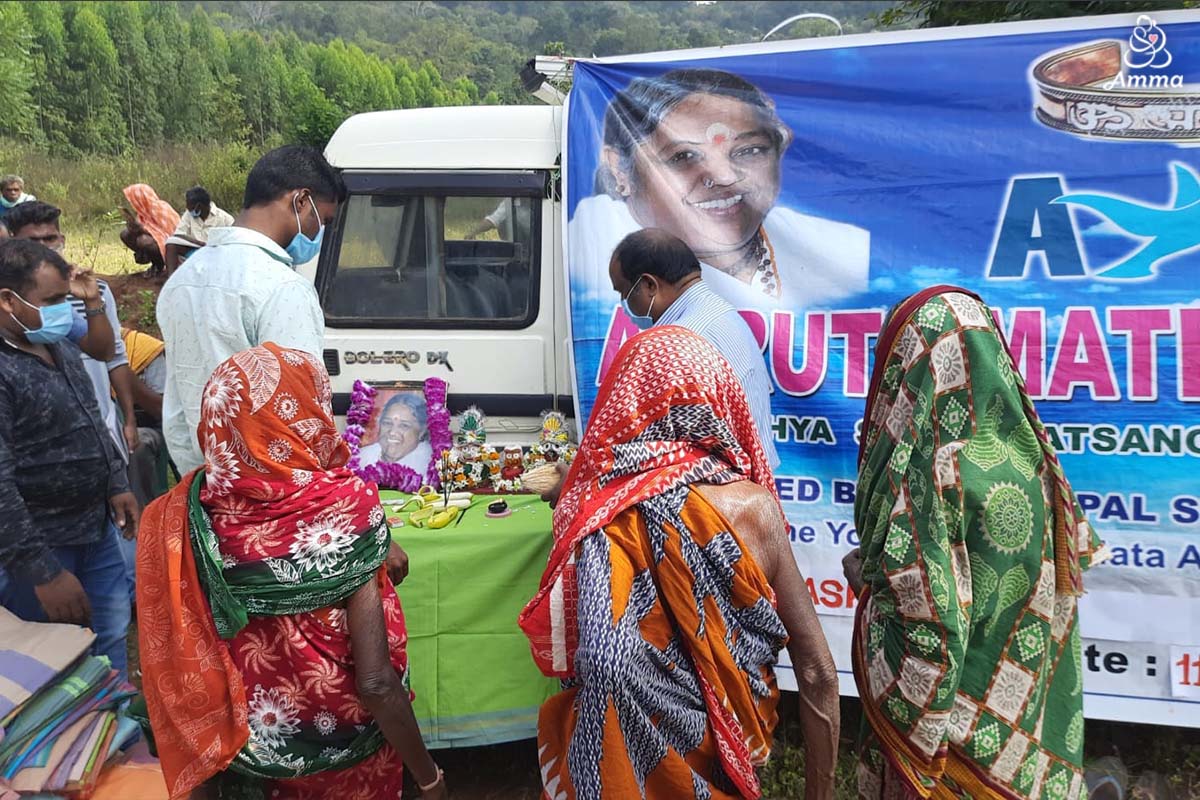
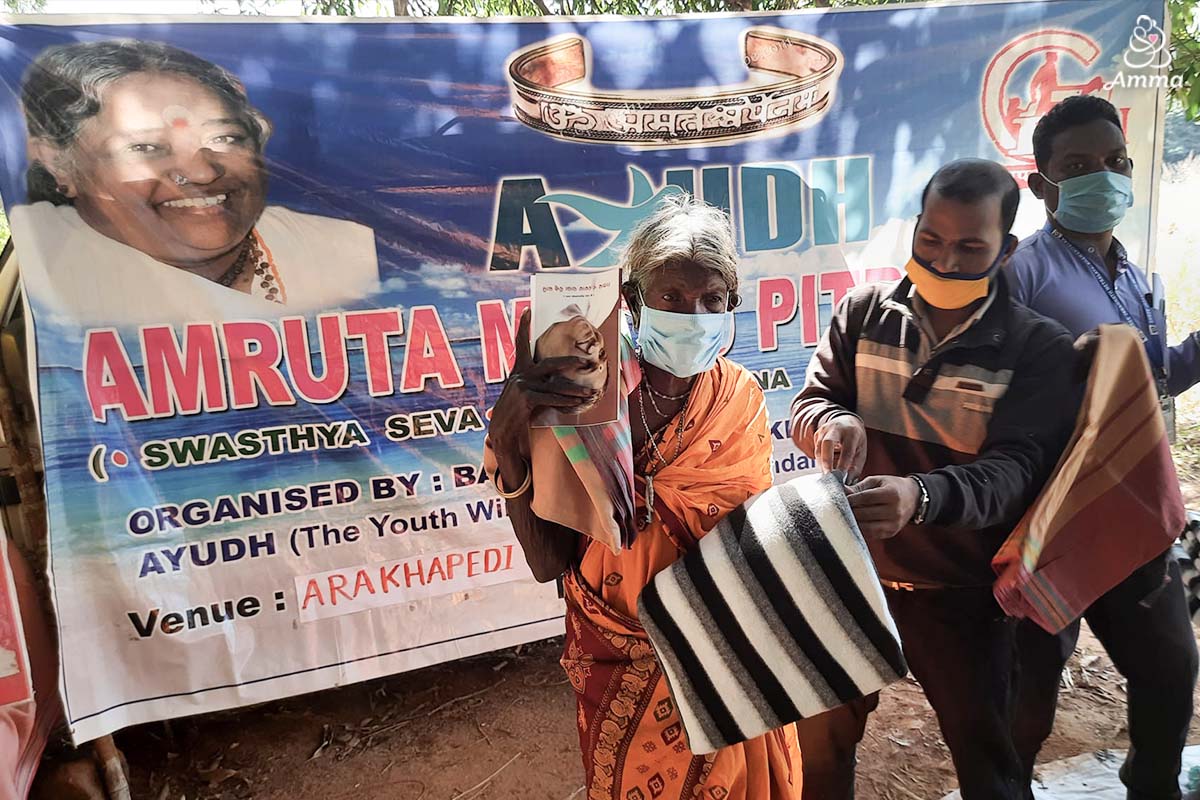


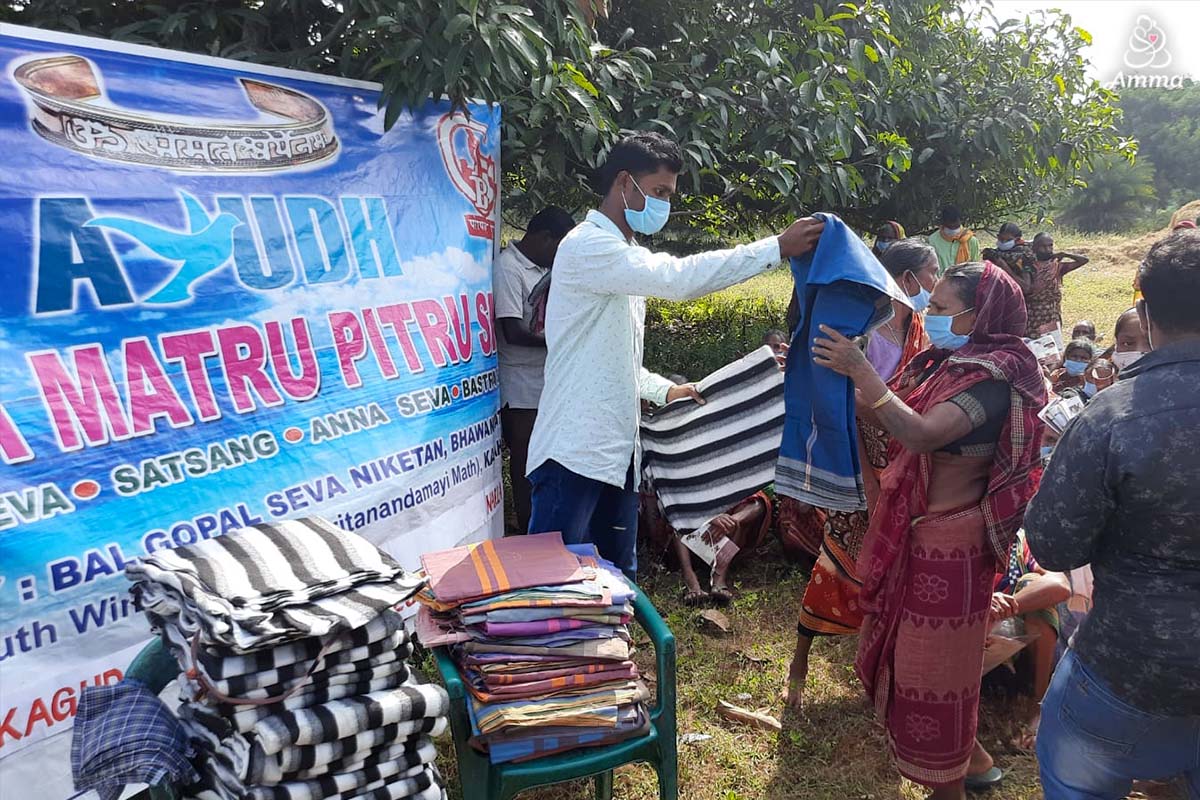
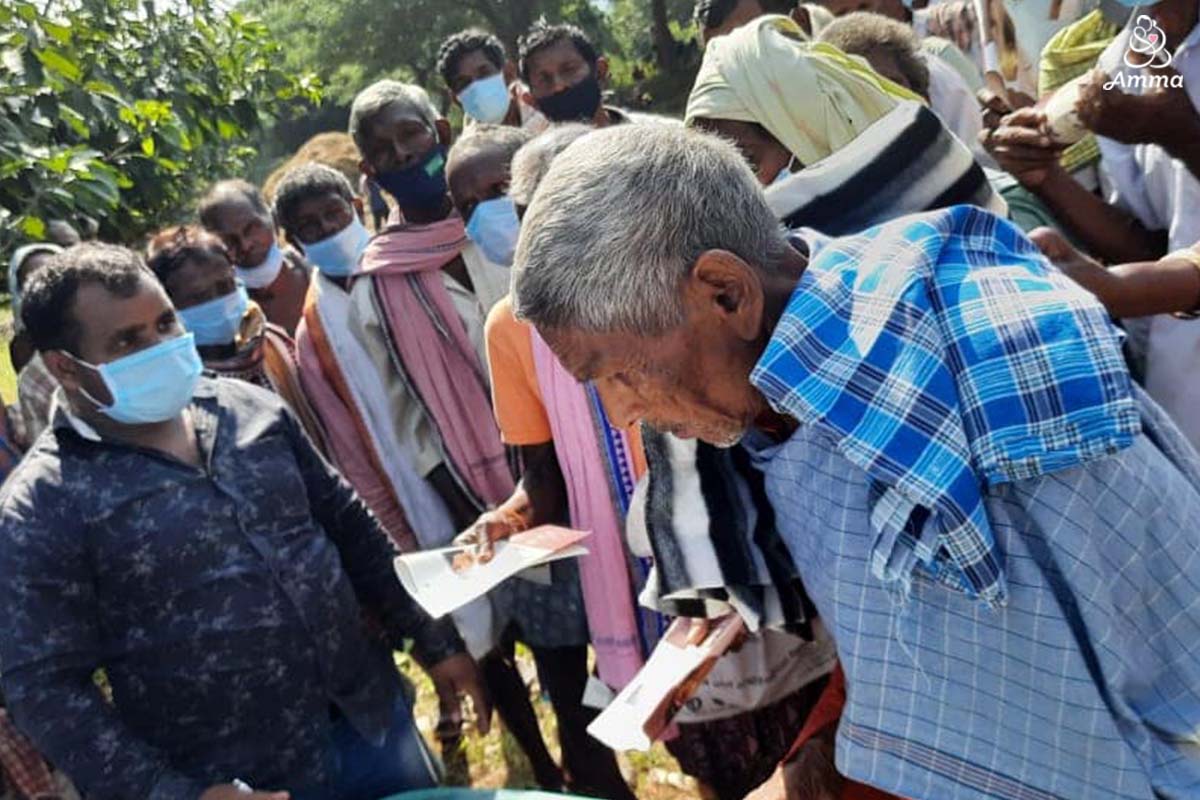

Although it has been 20 years of a profound expression of Amma’s compassion in action, Yashodhara and the volunteers remain humble. She says it can in no way be claimed that their efforts have changed people’s lives. It is enough for them to have brought at least some relief, especially for the generations to come.
“The most fulfilling thing is to see the people from the nearby villages thronging to the event ground from early morning and then returning happily home at the end of a long day,” she concludes.
“This is a precious seva that only Amma could have made possible. I pray for her blessings that it will grow into something even larger and more sustainable, if at all she considers it worthwhile.”