


Land of Resilience, A Tale of Transformation
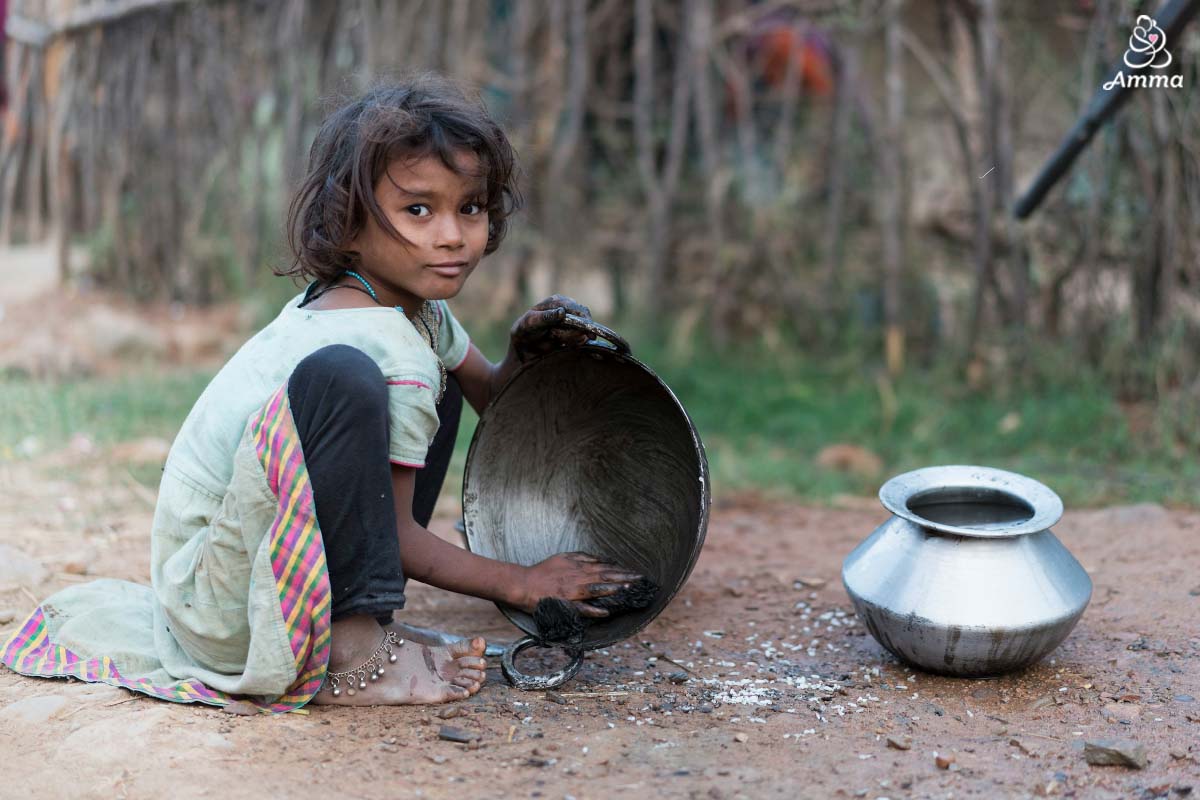
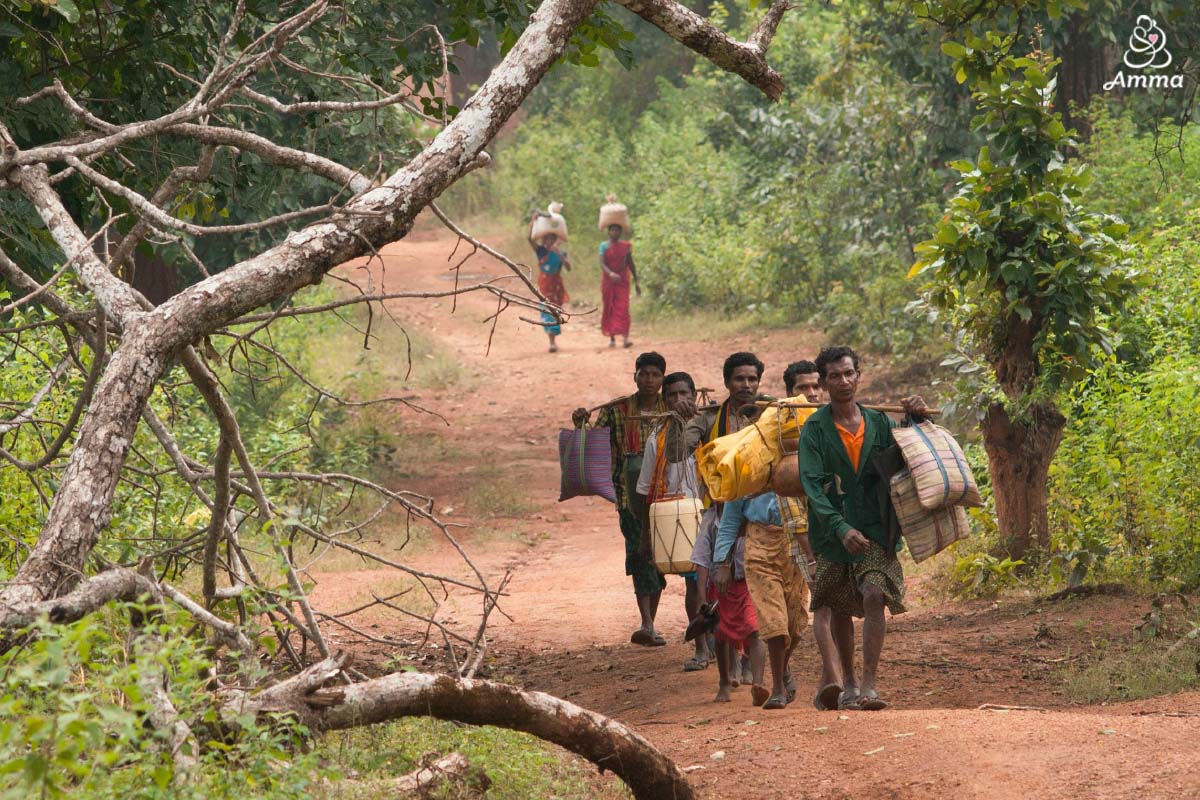
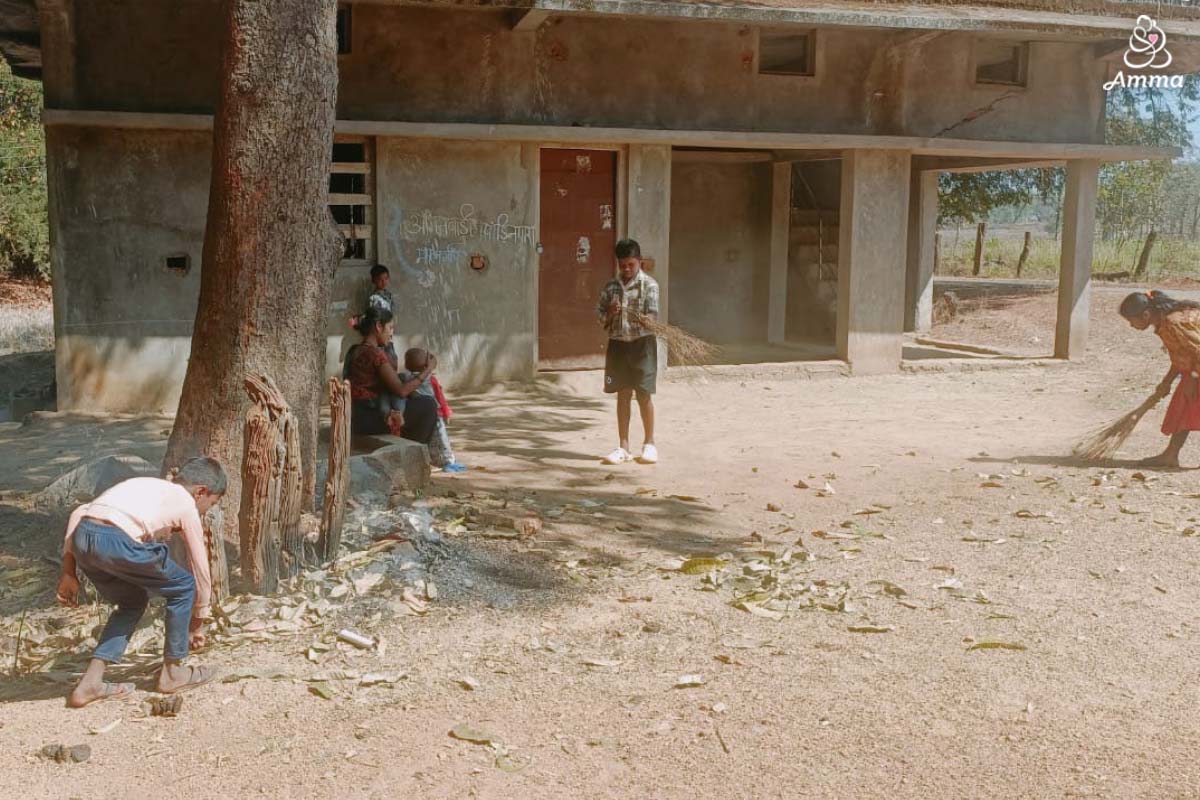
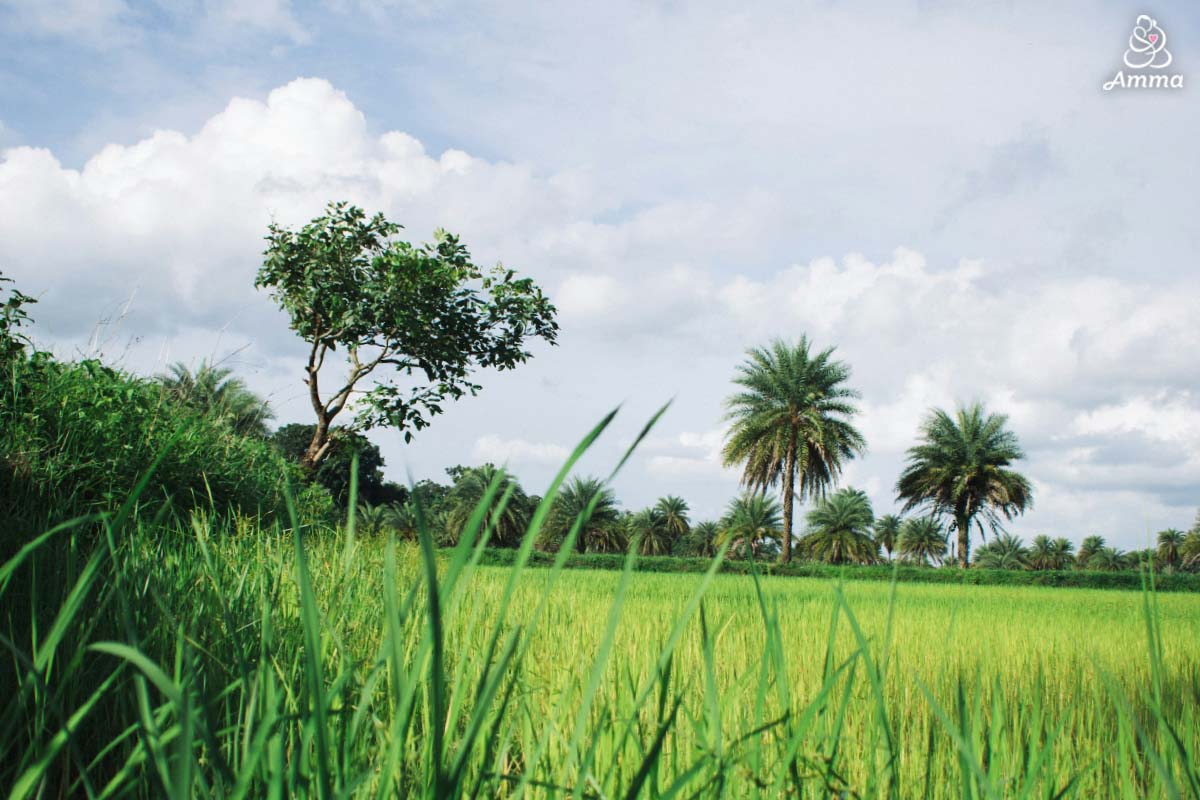
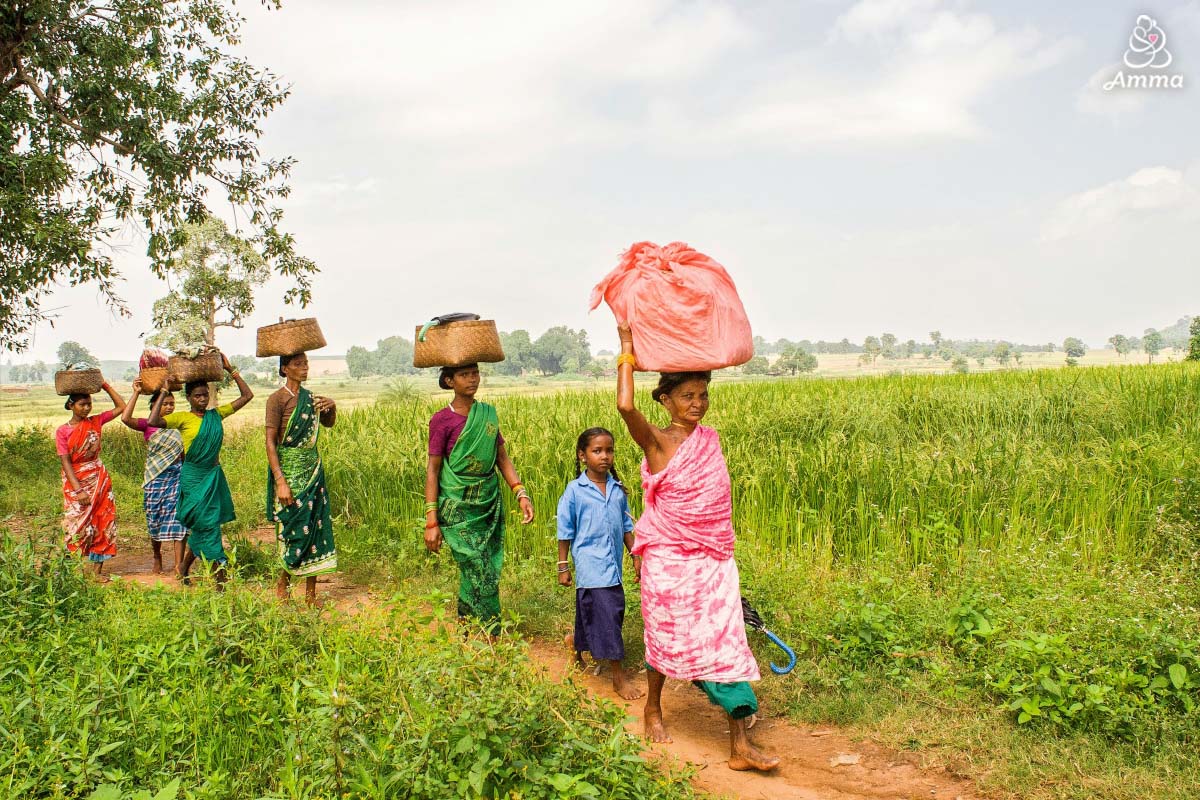
Lying at the core of India is the Chhattisgarh tribal belt that boasts of incredible natural beauty and immense culture. With more than 32% of the total country’s tribal communities residing here, there is a lot about this land that makes one think about resilience and disparity in equal measure. For years now, villages in this area have been suffering from the lack of power and water facilities, minimal education and employment opportunities, and subsistence through crop farming like rice and corn only.
However, in recent times, a gradual transformation has taken place here.
Live-in-Labs: Creating Change from Below
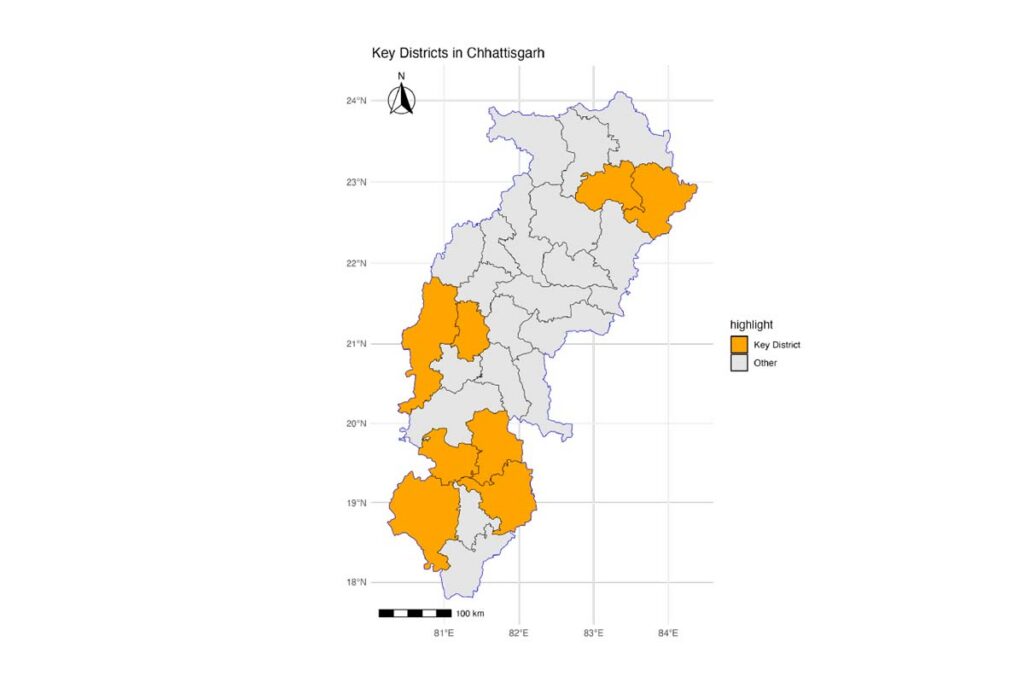
Since its inception in 2018, the Live-in-Labs project has tried to overcome the problems mentioned above using sustainable development techniques. Initially started as pilots in Kondagaon and Bastar, the program has extended to 24 villages in seven different districts, including areas like Narayanpur.
The program’s activities include renewable energy, crop diversification, and financial inclusion. Changes can be observed in people’s daily lives. While earlier homes didn’t even receive any electrical connections, now they have been energized with solar power. E-cycles provide mobility, and hence walking miles isn’t needed anymore. Most importantly, agriculture is no longer limited to monocultures; crops such as lemongrass, banana, coconut, and mango are grown.
Important Milestones
The process of transformation has been steady throughout the years. In 2019, electrification through solar power was extended to five villages, and one hundred farmers were engaged in planting lemongrass. During 2020, electric bicycles were used, and 500 suckers of bananas were planted in Malgaon.
In 2021, Amrita SREE Self-Help Groups were created, which were managed by women. The initiative of solar irrigation was initiated in ten farms during this year. In 2022, the number of Self-Help Groups increased to twenty-four, thus making financial services available for five hundred families. In 2023, agricultural diversification occurred, as five hundred coconut trees and four hundred mango trees were planted by five hundred farmers.
Deurbel: An Example of Integrated Rural Development
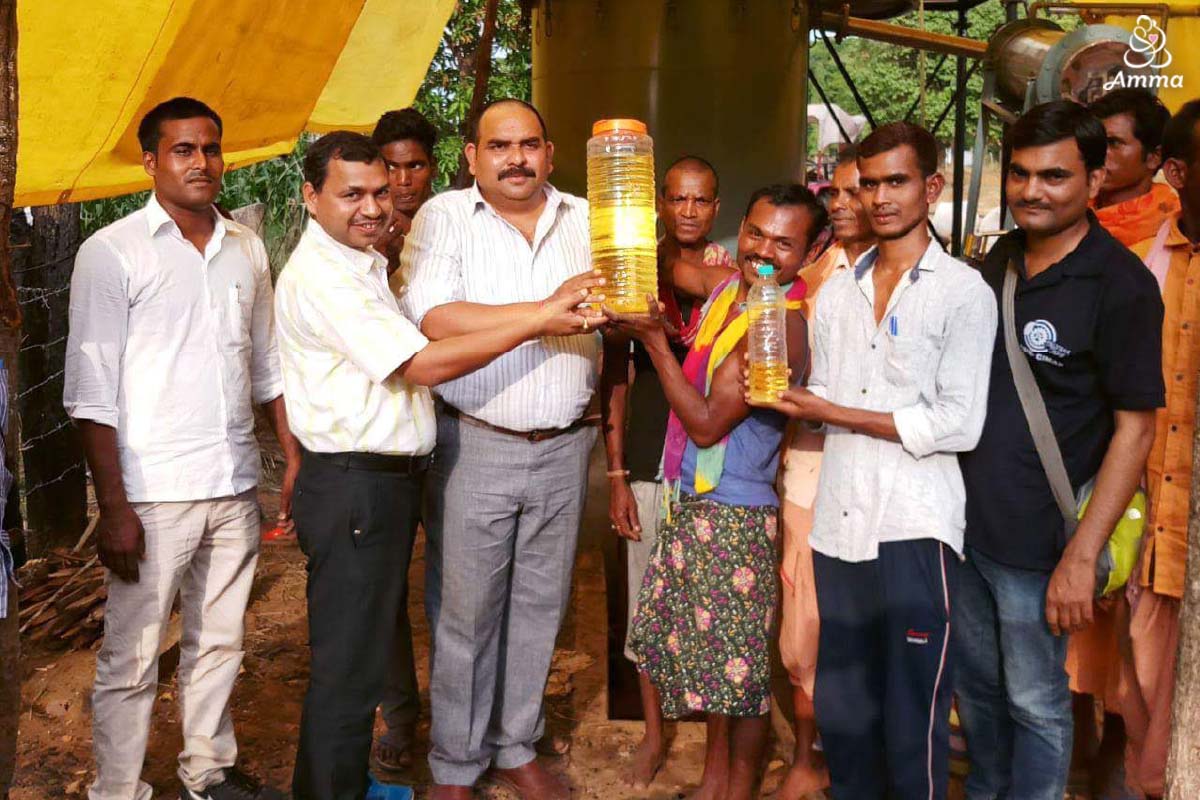
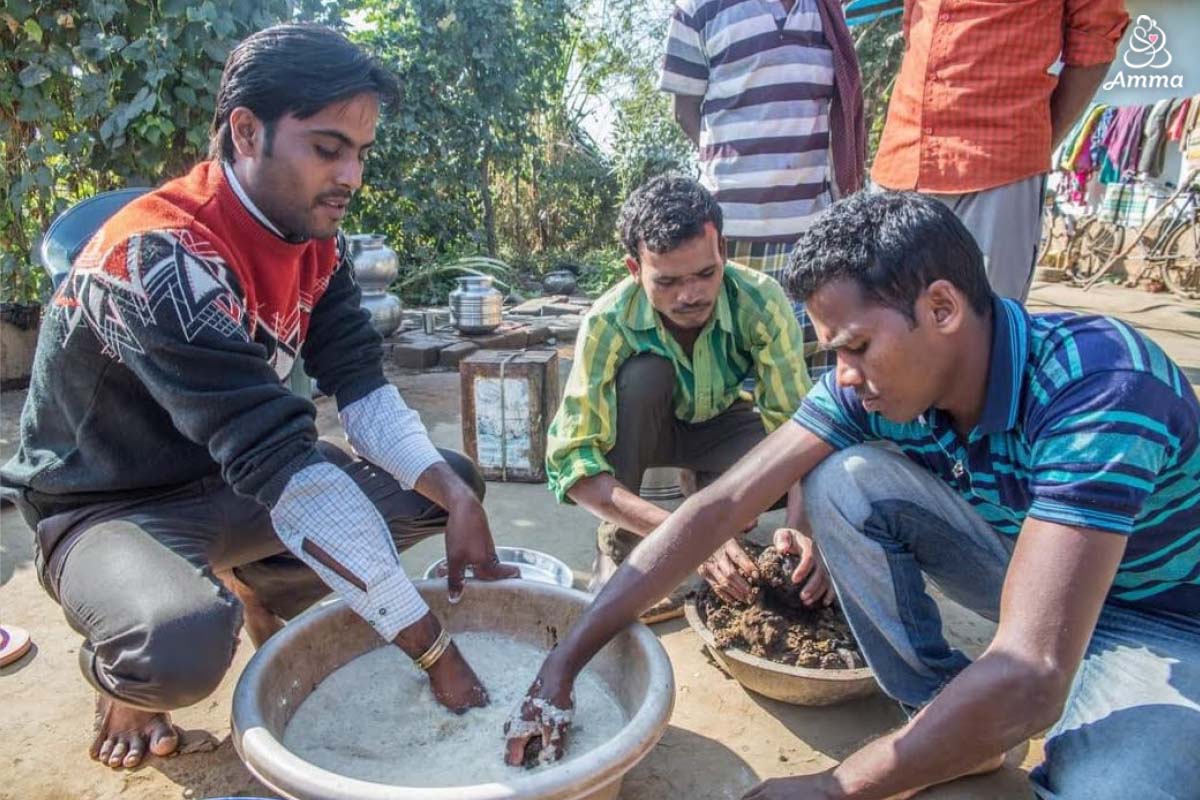
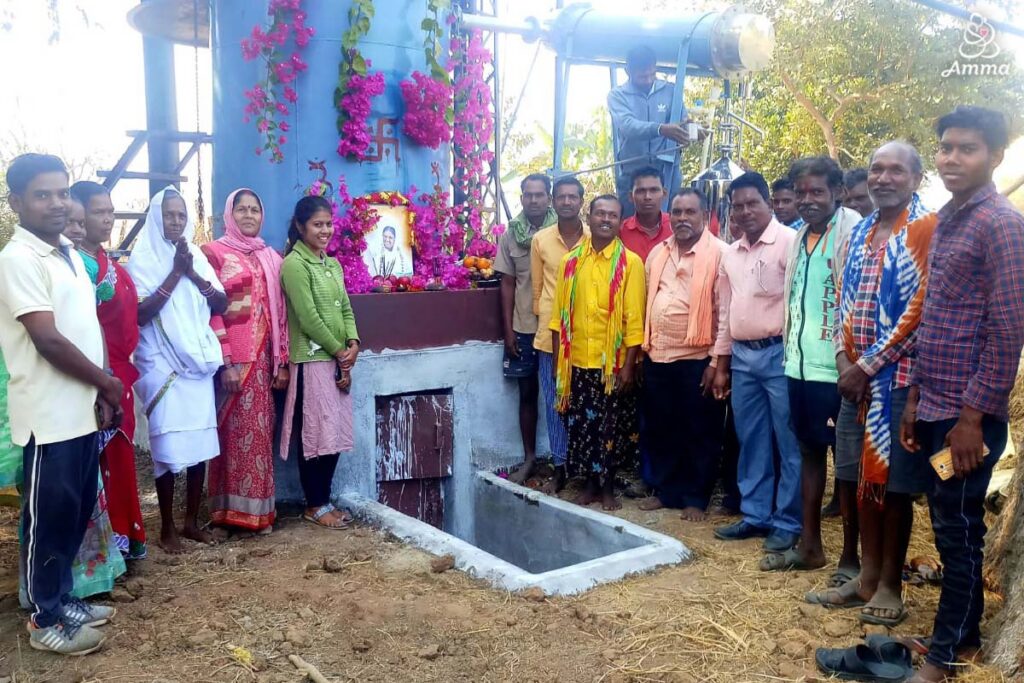
Deurbel is a case in point in terms of the above scenario, where currently around 30 farmers are engaged in growing lemongrass over almost 200 acres, with the help of a distillation facility for value addition and wider market reach.
Diversification of agriculture is quite evident from the fact that there are 400 coconut trees and 200 mango trees that have been planted within the village. In addition, banana cultivation has also increased in the village, with 1,000 saplings being raised by about 20 farmers. Water supply has been enhanced with the use of solar energy under the Saur Sujala Yojna scheme, thus helping the crops even during the period of drought.
Agriculture has been accompanied by a corresponding improvement in the area of finance, with eight Amrita SREE SHGs being constituted, while 150 farmers are also associated with government schemes.
Malgaon: Enhancing Opportunities Through Innovations
Similarly, Malgaon has seen its own share of innovations. The cultivation of lemongrass in the area has now been increased to 50 farmers, through two distillation centers that provide for localized processing and better gains.
The diversification of agriculture into crops like coconuts and mangoes have added to the prosperity, where 500 coconuts and 400 mangoes have been planted by the villagers. Additionally, cultivation of bananas is also taking place in the village, where 400 banana plants have been cultivated by 20 families.
Through the Govt of India’s Saur Sujala scheme, solar-based irrigation is made available to eight farms to facilitate regular irrigation.
Research for Practical Applications
Solar energy in the form of solar electrification and irrigation has proved to have immense potential for uplifting living standards in the area, as has the impact of Self-Help Groups on the lives of villagers. Initial results are showing an improvement in agricultural production, use of clean energy, and financial stability, especially of women and youth.
Migration from rural areas has decreased due to all these initiatives taken in the village.
The Path Forward
While much has been accomplished, the road ahead holds many more challenges. Future endeavors will involve promoting solar-based irrigation, implementing organic farming methods, and improving the capacity of Self-Help Groups, especially those of women and young people.
Silent Revolution
The tale of the villages of Chhattisgarh is that of survival turning into possibility. By remaining engaged and involving the community, there is a silent revolution occurring here. With access to resources, education, and self-reliant sources of income, the future is bright.