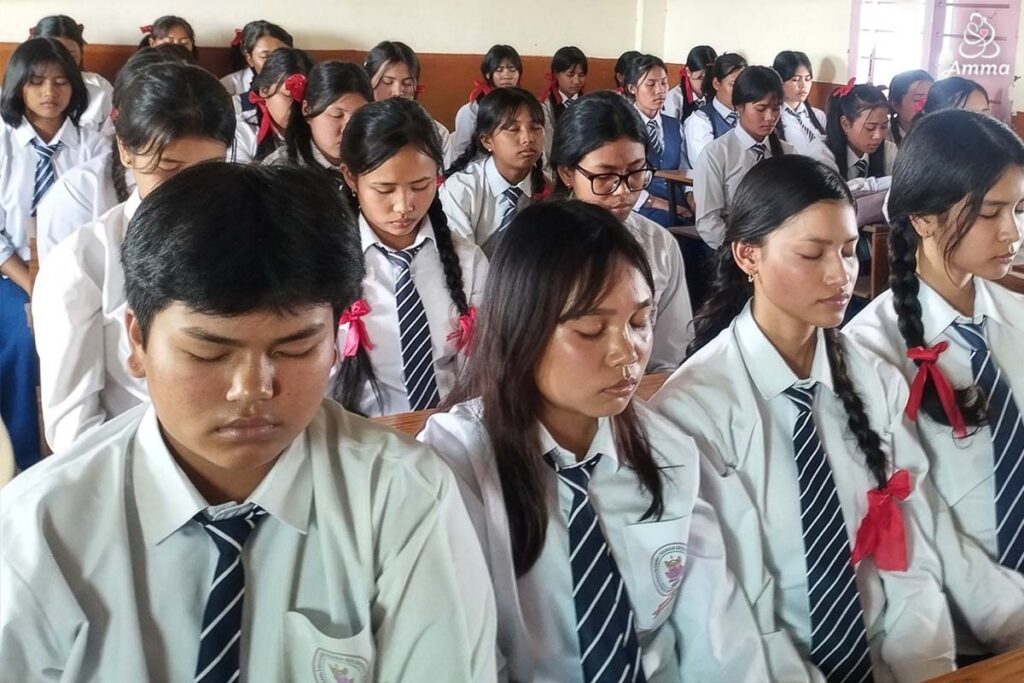


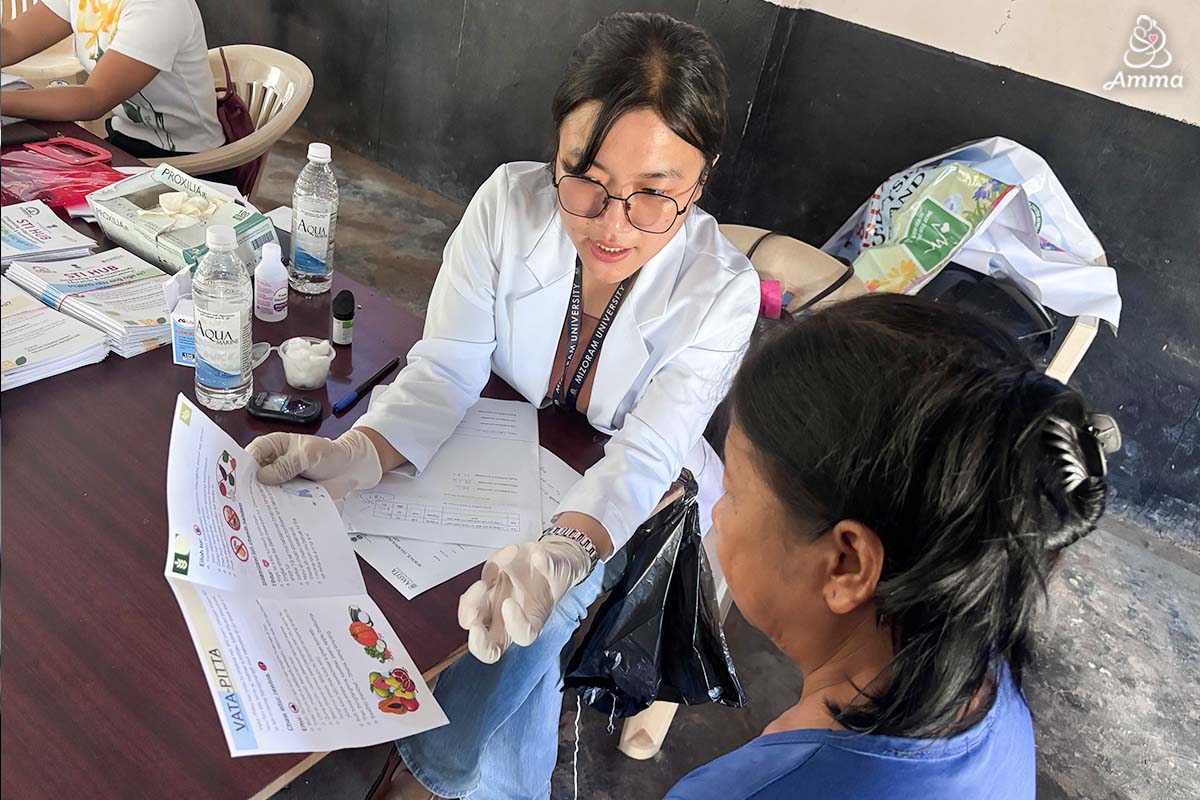
For nearly two years, our Ayurveda team in the north-eastern state of Mizoram has been reaching out to tribal communities to offer free healthcare and share the wisdom of this ancient science. From January 2024 to November 2025, they conducted 21 medical camps, bringing accessible wellness services and preventive education to the Mizo people.
Through these efforts, 1,285 people benefitted directly—1,118 from Aizawl district and 167 from Serchhip—marking a meaningful step toward integrating traditional health knowledge with modern community care.
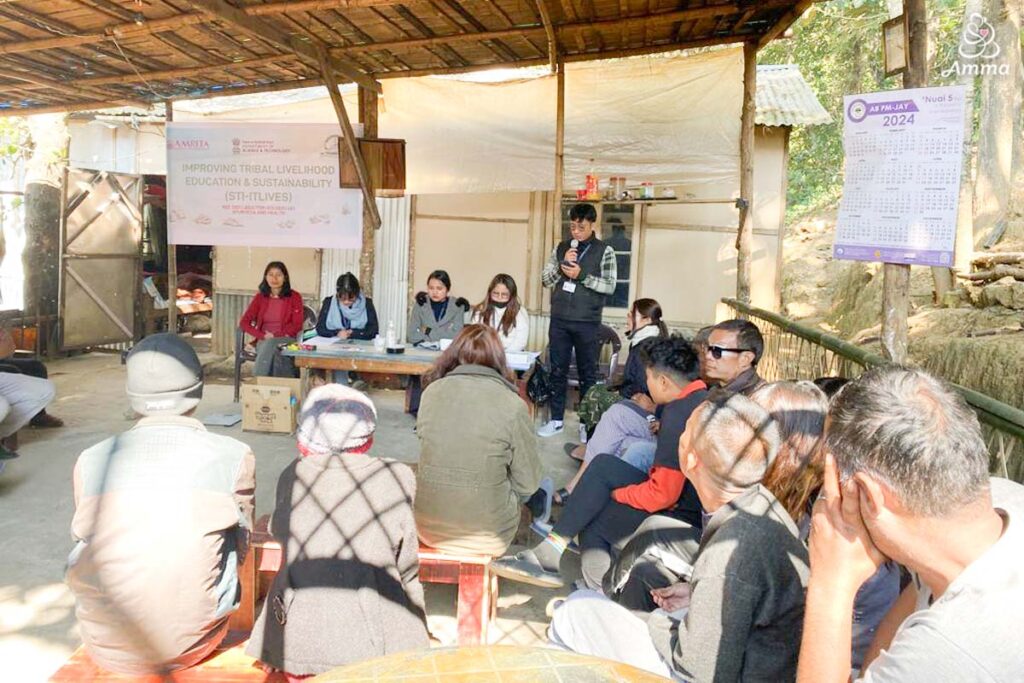
The camps are part of the STI-ITLIVES (Improving Tribal Livelihoods, Education and Sustainability) project, a collaborative initiative between Amrita University and Mizoram University, supported by the Department of Science & Technology, Govt of India, under the Science, Technology & Innovation (STI) Hub scheme.
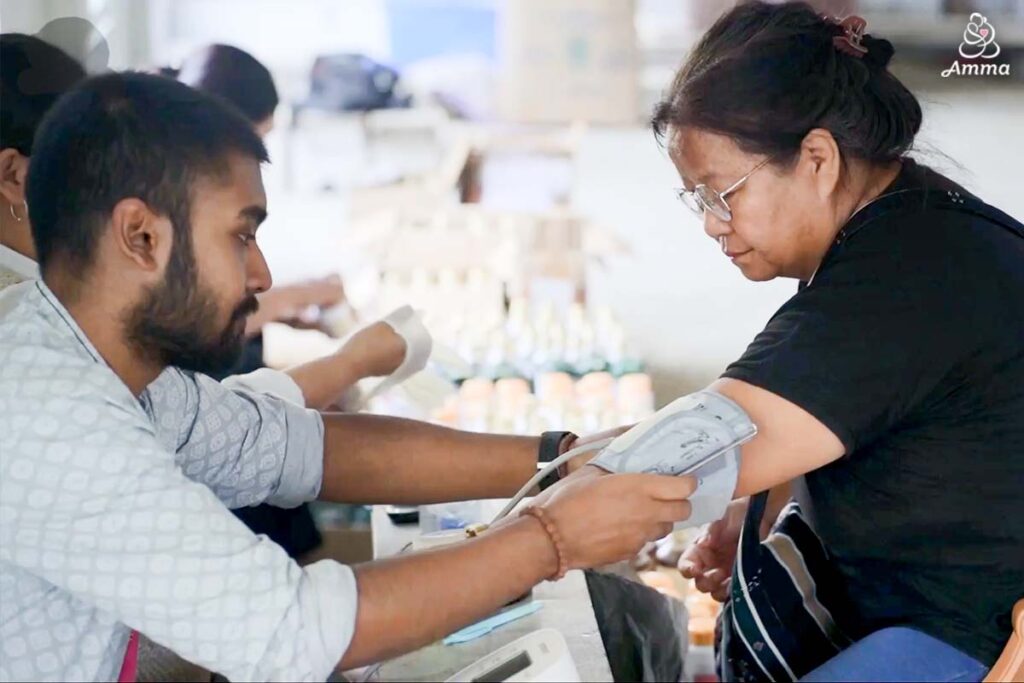
A remarkable participation of the women was observed: mothers, grandmothers, daughters, and caretakers. Since they sacrifice their own health for others, being the pillars of the family, the consultations were able to strengthen the well being of entire households.
Reawakening natural practices
While Mizoram has many allopathic hospitals and pharmacies, traditional healing—practices that align the body with natural rhythms and plant-based medicines—is something that is slowly fading.
The STI Hub project wanted to reintroduce the people to nature-based healthcare. For this, the team recognized that they needed to gather firsthand information about the existing lifestyles and related diseases in the community, if they were to make any meaningful attempt at improving their overall health.
The focus of the Ayurveda camps is to improve general health and well-being. More than just a ‘symptom-and-disease’-finding intervention, it aims at gently leading individuals to develop awareness about their own bodies, habits, and rhythms of nature—a journey of awareness.




In the first ten camps, 602 participants received basic medical assessments such as height, weight, BMI, blood pressure, and random blood sugar testing, while at the same time they filled out the Lifestyle Survey that enabled the teams to understand the baseline better.
This initial screening identified some trends which included: high prevalence of high blood pressure, relatively higher BMI in women, and diet habits that consisted mostly of fried and processed foods, with less emphasis on vegetables.
The participants varied greatly in age, gender and occupation making the data more representative. These diverse participants gave a clearer picture of the Mizo people’s real health challenges.
The ancient science of Dinacharya
Realizing the importance of preventive health awareness, similar to the medical evaluation, the STI Hub Team extended the camp format. In the next eight camps, the interactive sessions included the intervention of Dinacharya, the Ayurvedic philosophy of a balanced daily routine as a cornerstone of life.
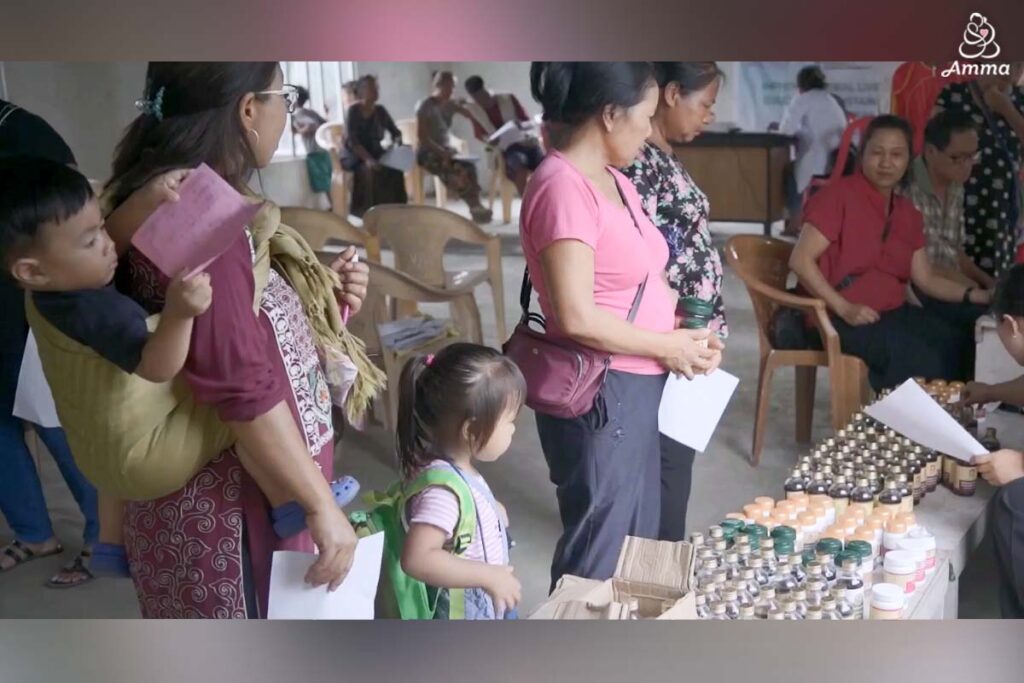
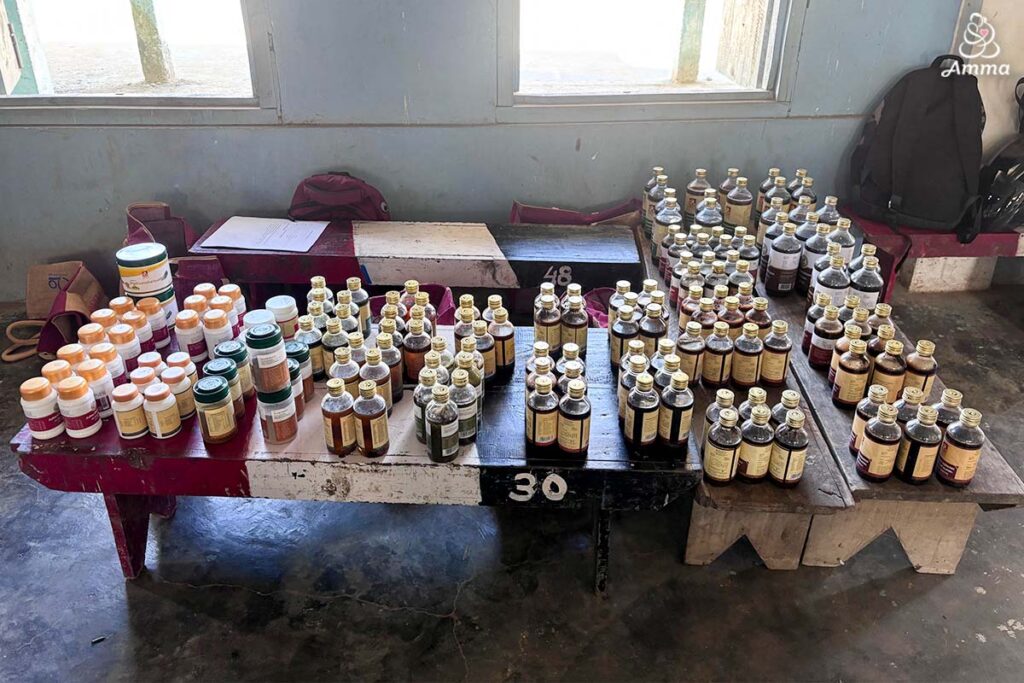
A total of 358 people attended these camps, where they were provided with free Ayurvedic medicines and literature related to wellness.
Towards the end of the camps, the project rolled out Prakriti assessments, personalized evaluations of the individual’s Ayurvedic bodily constitution—Vata, Pitta, Kapha—so that the team could provide lifestyle advice to the individual accordingly.
Around 166 people benefited from this project phase, thus certifying the Hub’s dedication towards providing personalized community-driven support.


Health for one, Health for all
This success story bears testament to the well-rounded approach advocated by the STI Hub: the effective marriage of indigenous knowledge with the analysis of modern understanding for the betterment of the community at large.
The project has been working in tandem with local AYUSH (Ayurveda, Yoga, Unani, Siddha, and Homoeopathy) practitioners and leaders, India’s officially recognized traditional systems of medicine. The camps also distributed free Amrita Life Medicines, our Ayurvedic formulations.
The Ayurveda Medical Camp is one of the projects within STI-ITLIVES, which in total is currently reaching more than 9,000 community members from the tribes in Mizoram, with 70 percent of whom are women and girls, through interventions in indigenous health systems, nutrition, digital literacy, substance abuse awareness, and livelihoods.

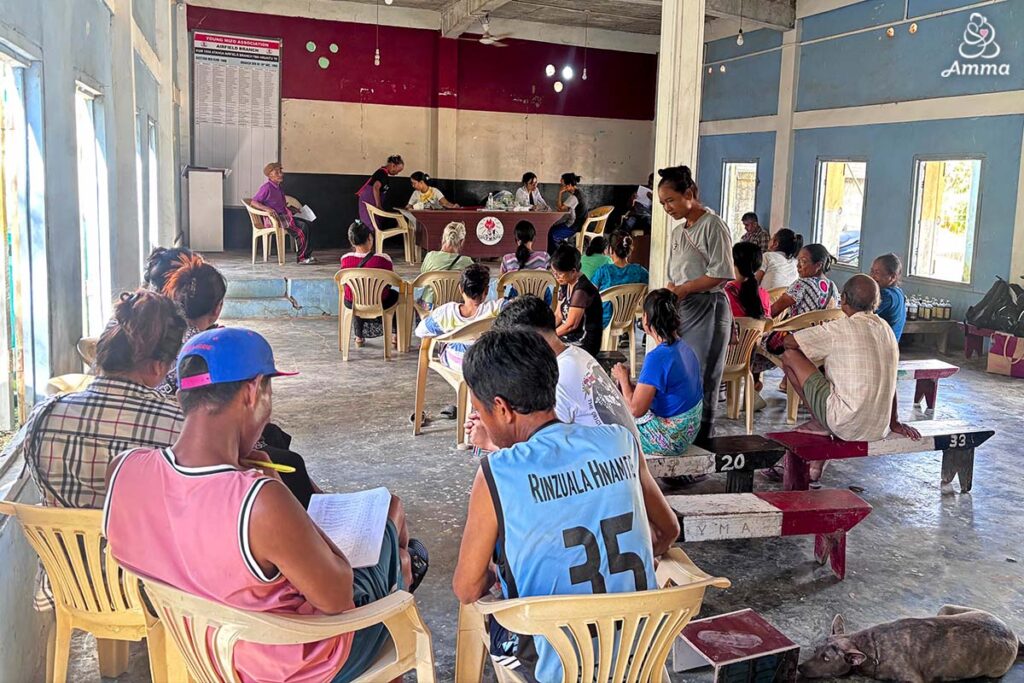


Looking back at the past year’s activities, it was evident that health empowerment was stressed to be a process that includes healthcare interventions, health education, preservation of indigenous knowledge, and community-based health practices.
The medical camp drive reminded everyone that health is not merely the absence of disease, but a state of harmony in body, mind and heart. This opened doors to the participants in understanding that healing happens when one chooses a path to understand one’s body and embraces healthier patterns of being with sincerity.
Going forward into 2026, the project will continue with initiatives to document information on tribal health practices, to complement Ayurveda’s integrated health care.