


In the struggling society of Tanzania, longing for a helping hand, Amrita University reached out to the women’s community. The country’s remote villages are always under the scorching heat, and the ultimate water scarcity is bound to the society’s hardships. Women struggle to meet the needs of their families, including children, without water.
In the rural district of Moshi at the foot of Mount Kilimanjaro, a team with the university’s AMMACHI Labs implemented Women in Sustaining the Environment (WISE). The project empowers women as key stakeholders in the management of local resources and helps in sustainable water resilience. By breaking the chains, women are given practice in monitoring, assessing, and safeguarding their own drinking water systems.
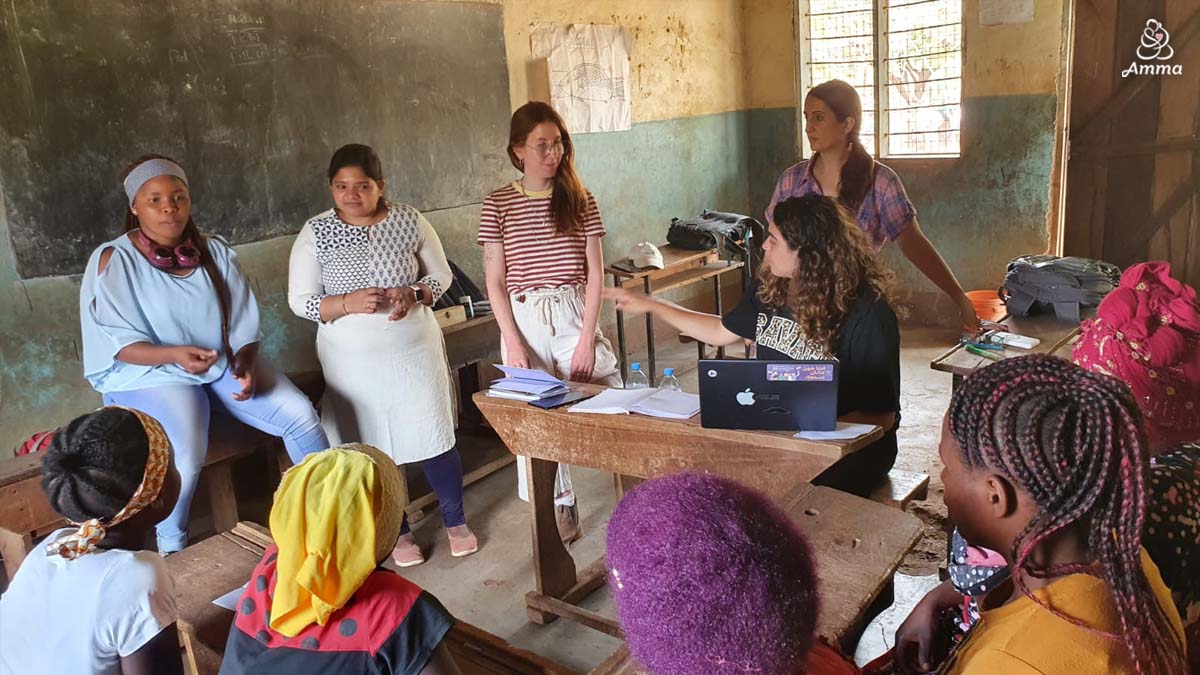
In Moshi, the team connected with four villages where each one had 40 to 50 households. Twelve women were chosen as Water Ambassadors and trained to implement the AmriTAU water-quality monitoring protocol. This includes surveying households on water treatment and storage practices, as well as using sensors to monitor water quality.
The women accepted this role because they are traditionally responsible for managing water in their homes. By training them as Water Ambassadors, the project empowered them to take charge of water safety in their communities. The research team followed and supported them in testing the protocol, ensuring they were fully prepared to carry out the work on their own.
Six weeks through, a team from Amrita University collaborated with Tel Aviv University to work together with households across the communities. They gathered water quality data from around 450 homes, and identified issues directly affecting families.

As well, the university teams conducted focus group discussions with women in three villages to understand the role they play in water management and the challenges they face. These sessions were designed to enable the women to express themselves, and to discuss their position in terms of water at home, within the community, and in society in general.
They explained that water is essential for the majority of domestic and agricultural tasks, so lack of access puts them in a tough situation. However, when it comes to maintaining a family or getting water, they don’t get much help from the men in the villages.
Education, business, and agriculture are the three primary areas where the women said they are harmed by a shortage of water. They are further burdened in terms of water management due to the men not incorporating them into decision-making.
Now, these women are equipped to handle digital tools, structured training, and community-driven monitoring systems with confidence. As Water Ambassadors, they are driving change in their villages—from raising awareness to influencing local planning and assuring sustainability.
Amma’s reach has brought them a sense of hope and belief in the life they are living. Women who once felt powerless have become leaders who guide long-term solutions for water security—a basis for survival. These rippling waves of compassion give them the resilience and strength to fight all odds, proving that when the unheard are uplifted, the whole world will rise with them.