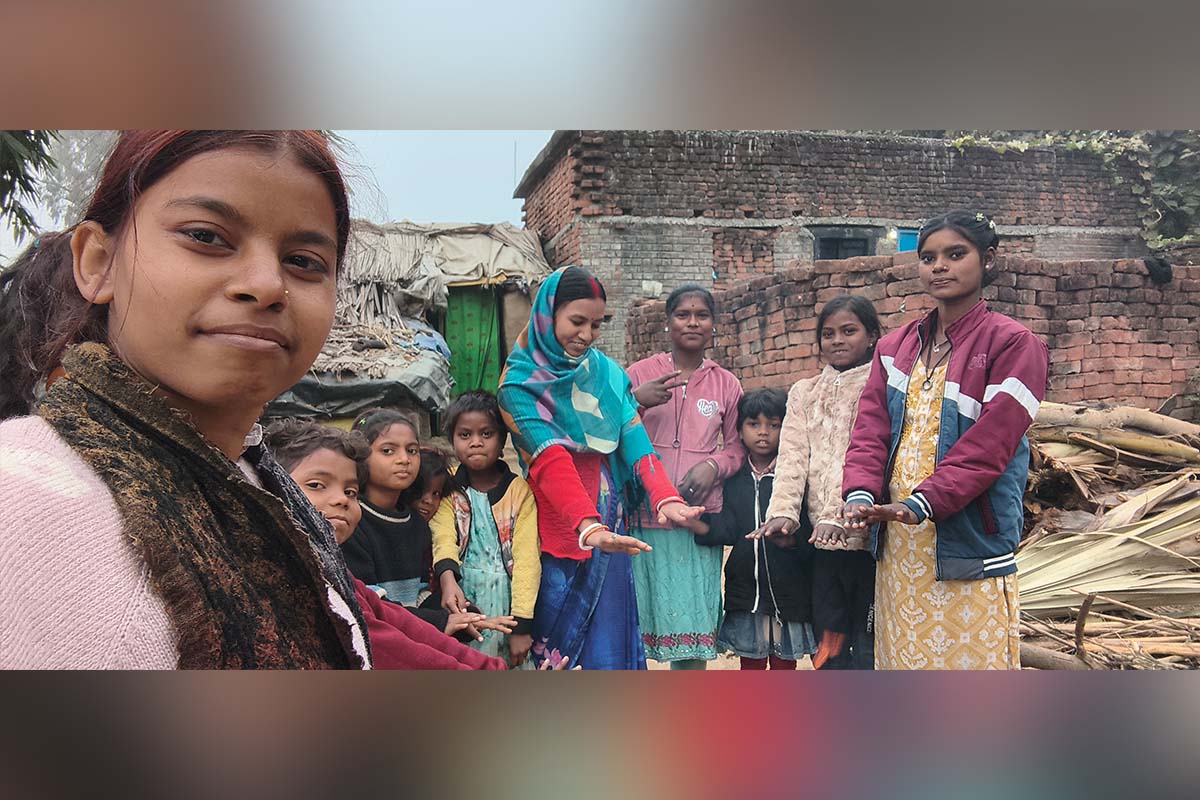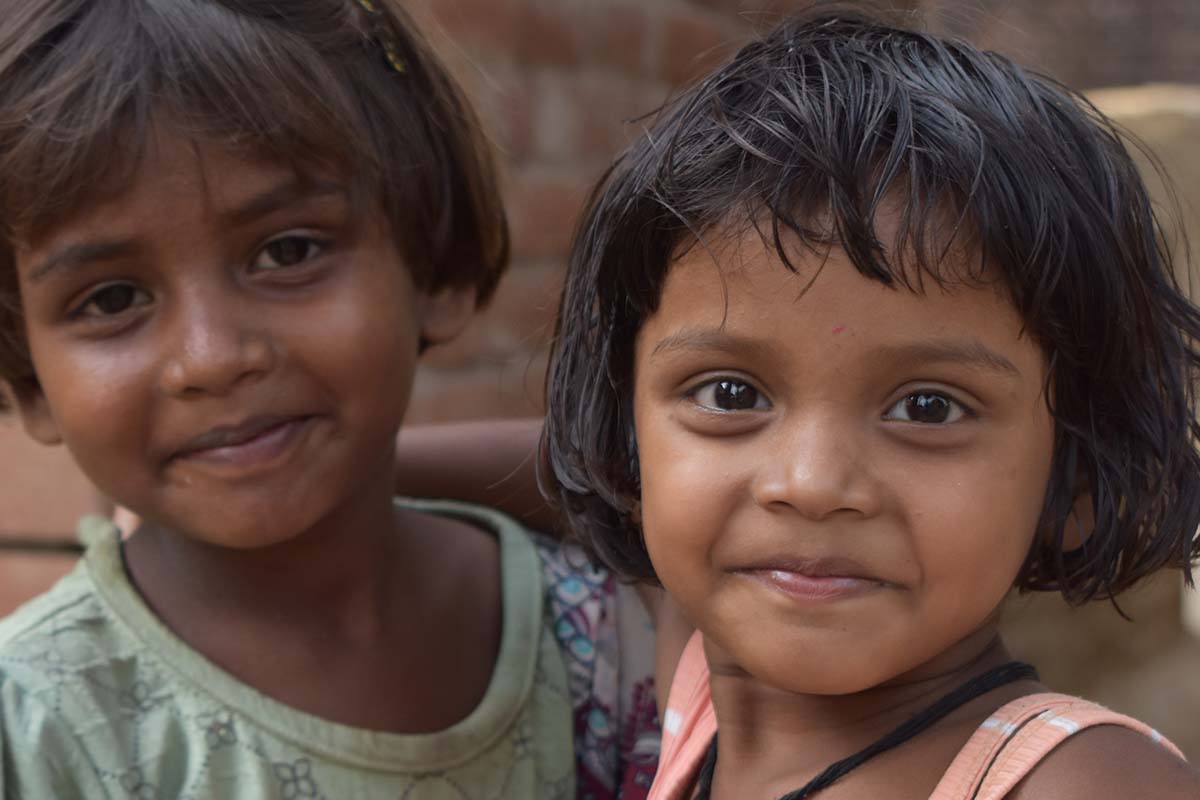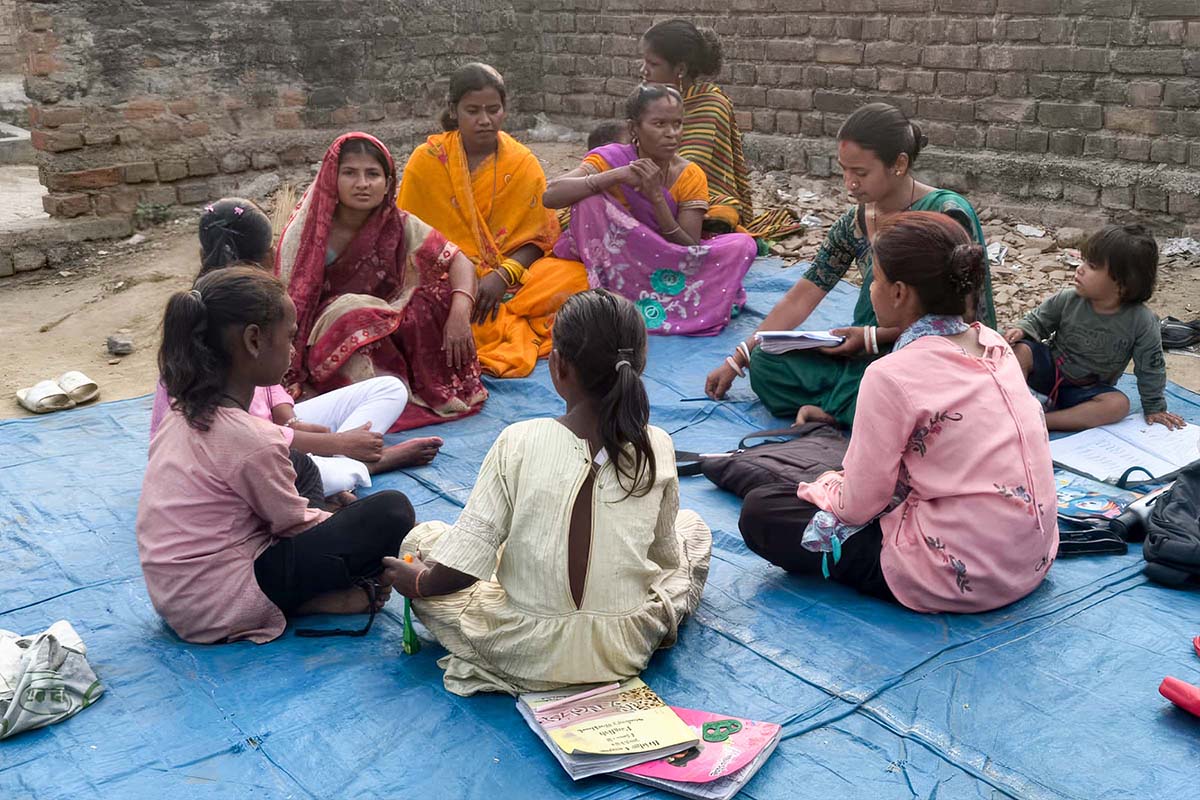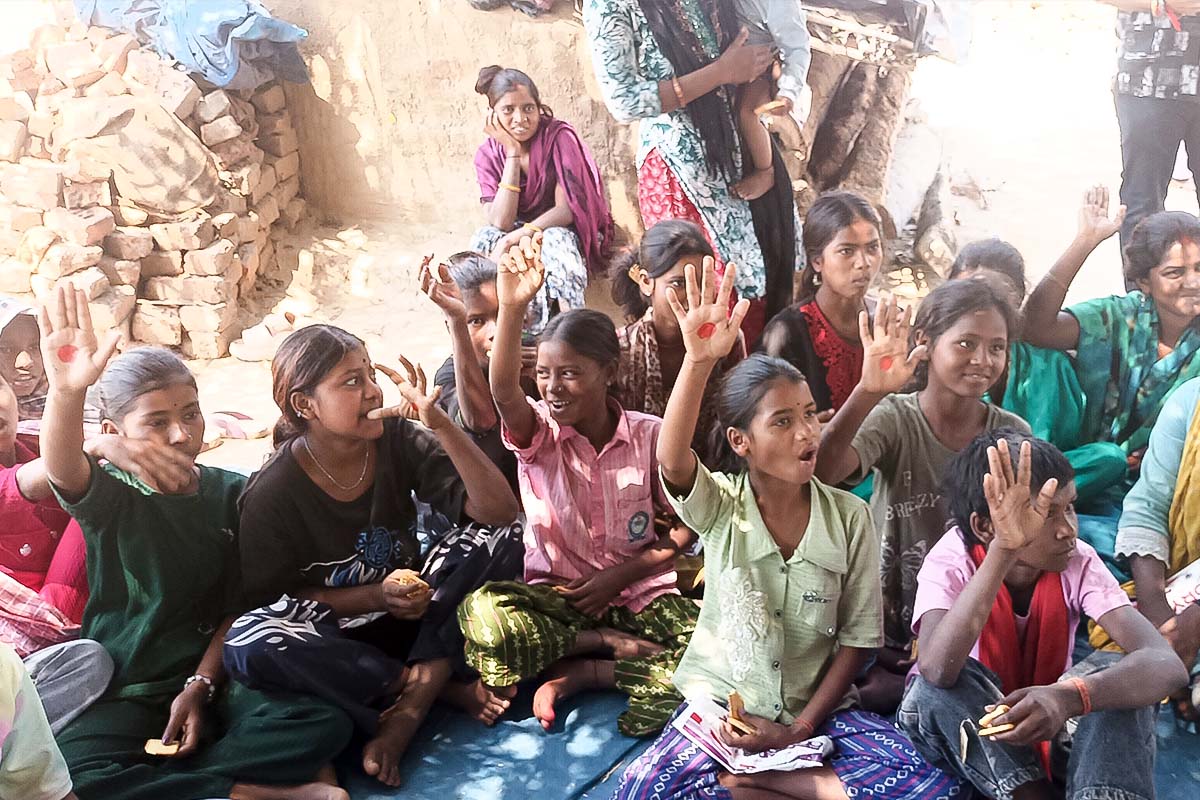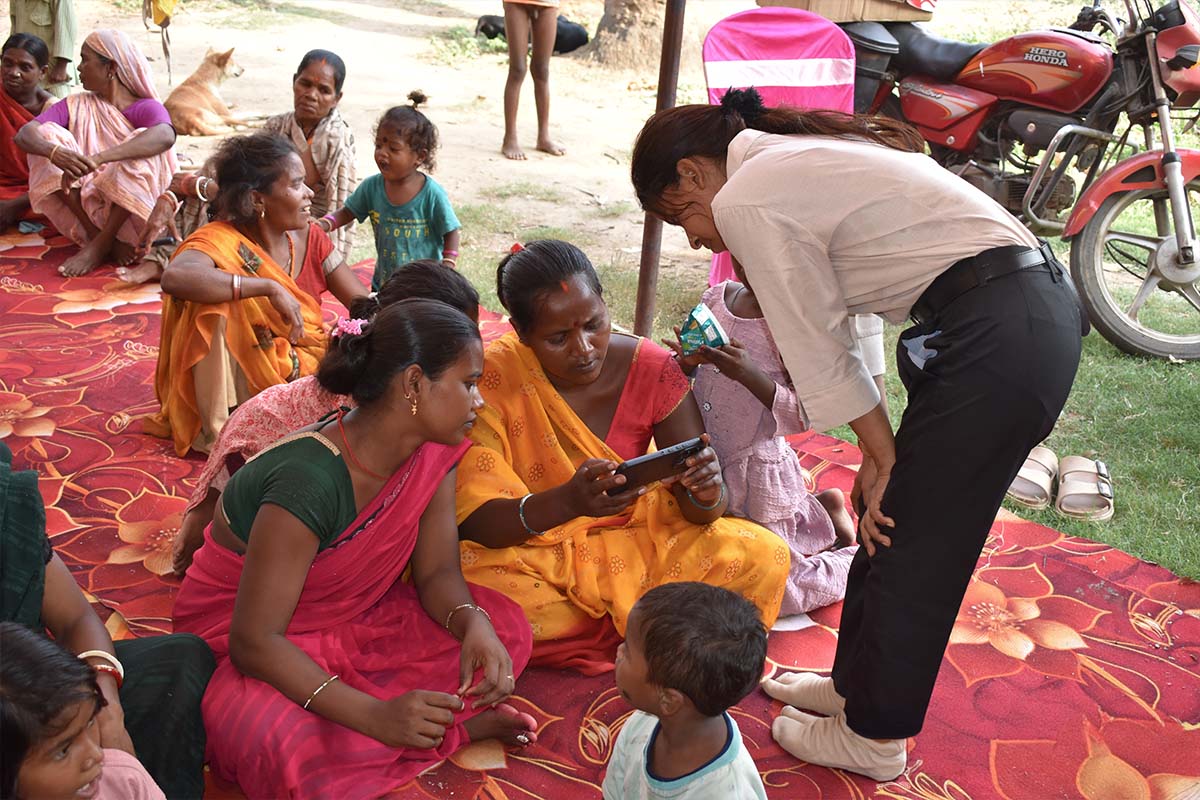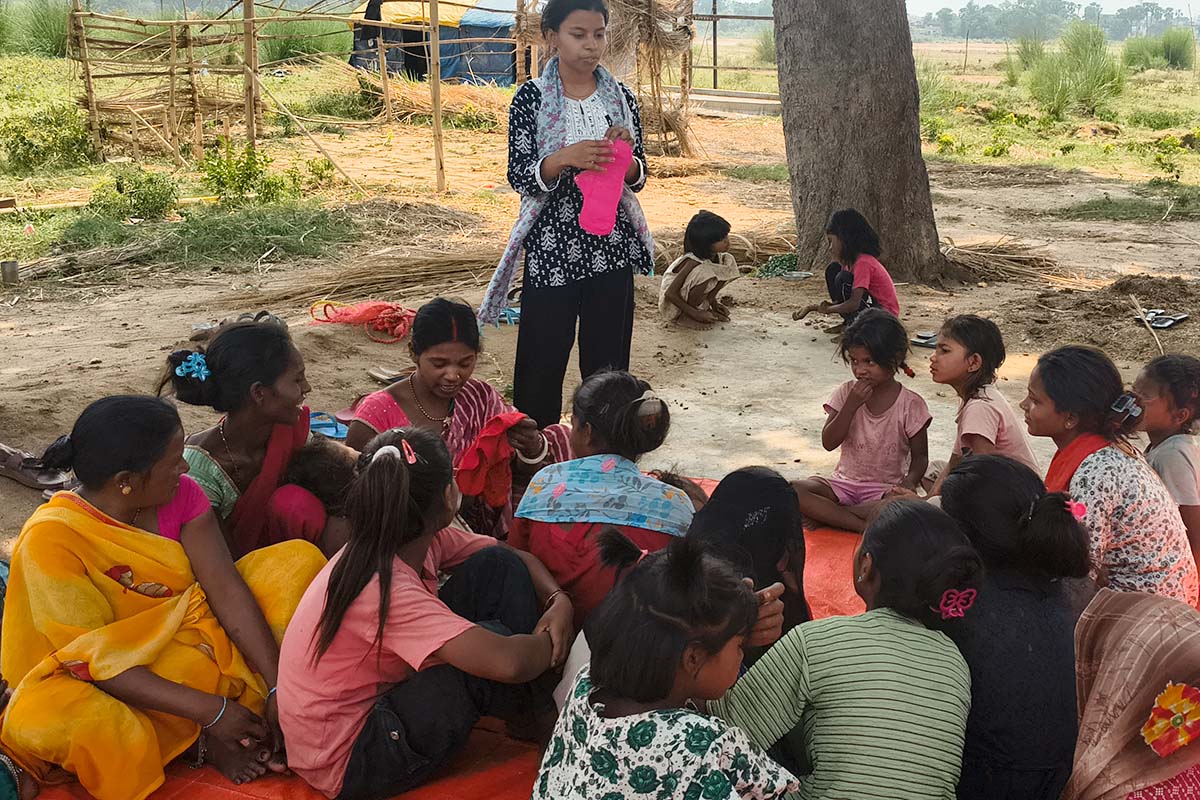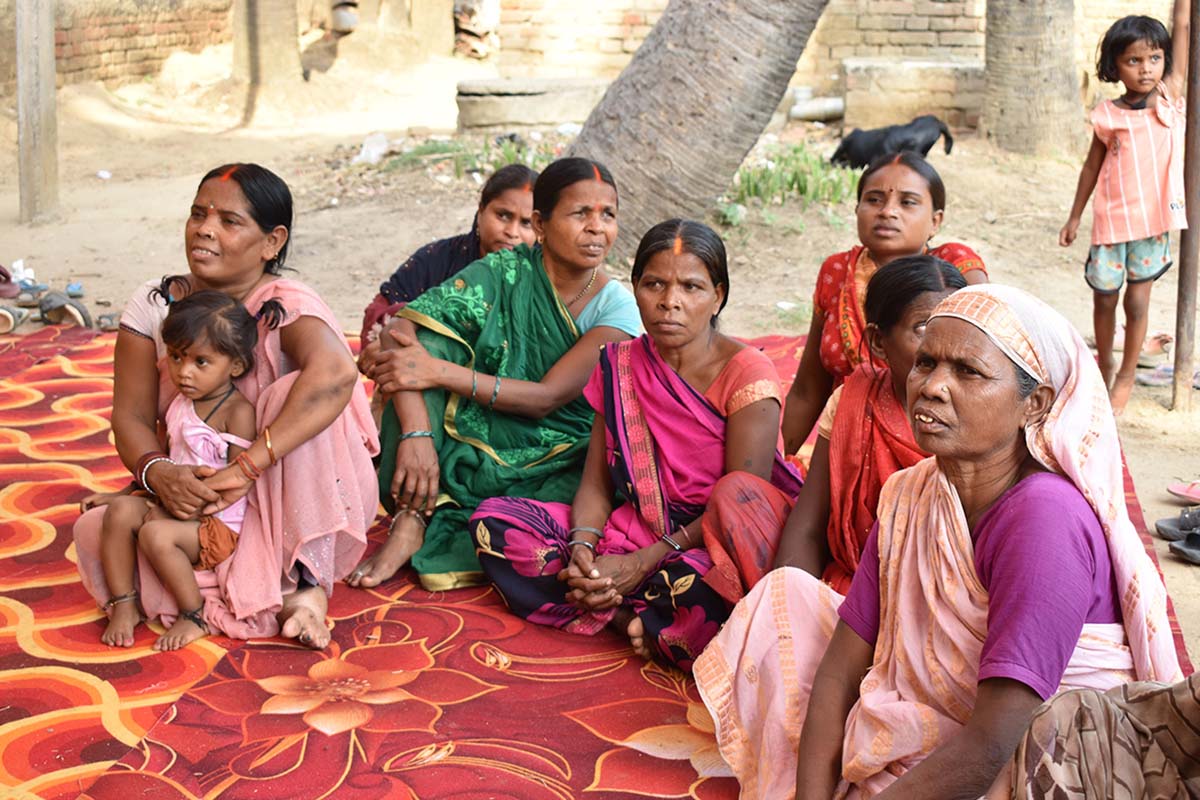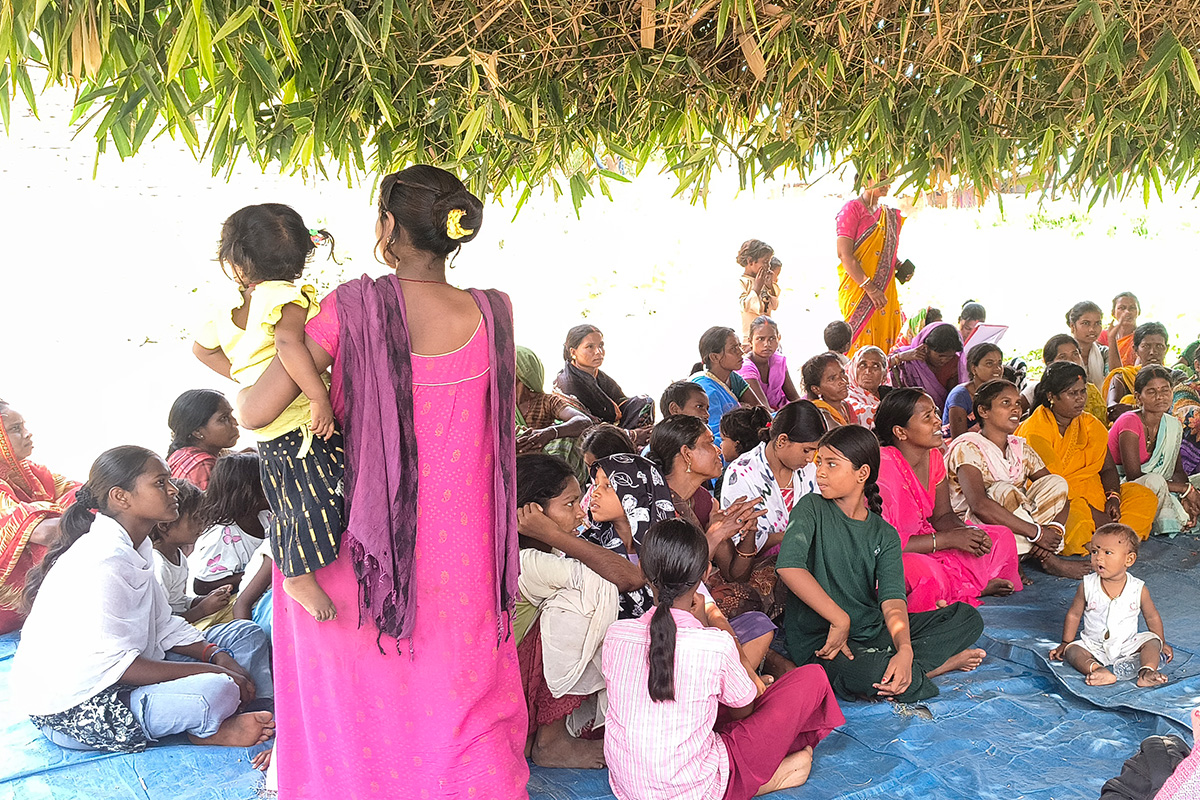


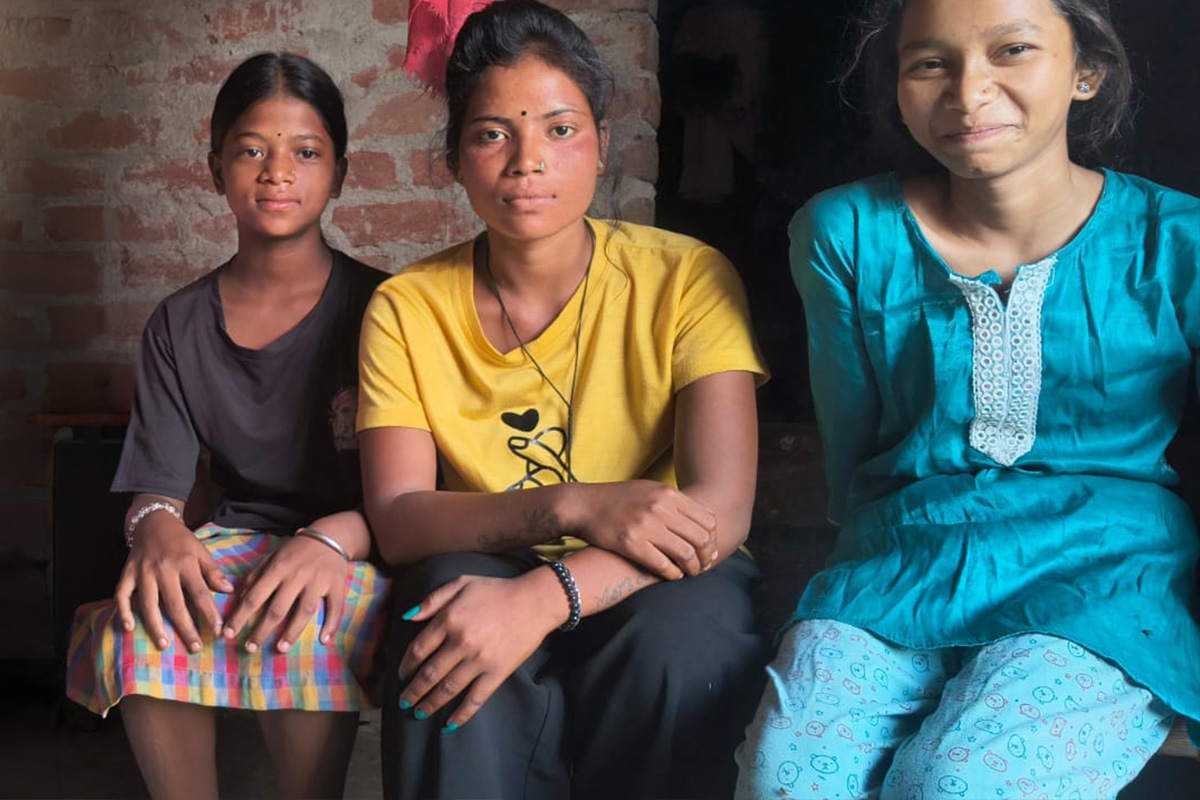
On May 28th, aligning with Menstrual Hygiene Week 2026, Amma’s Saukhyam Reusable Pads project distributed free pads to more than 100 Musahar women and girls in Bihar. Classified as Mahadalits by the state government, the Musahars are one of the most impoverished and marginalized communities in the country.
The young woman who led the event stood in front wearing a smart attire of pants and shirt, confidently explaining the benefits of reusable menstrual pads to Musahar mothers not much older than her. She represents the modern vision of an empowered young Indian woman—a force of positive change and a brave role model for a new generation.
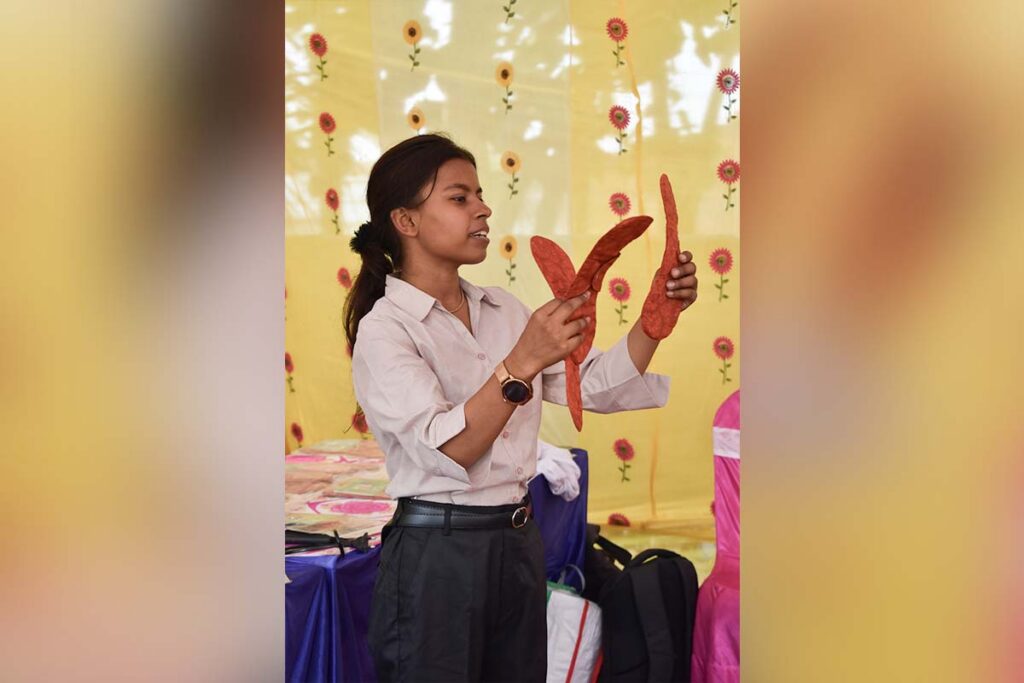
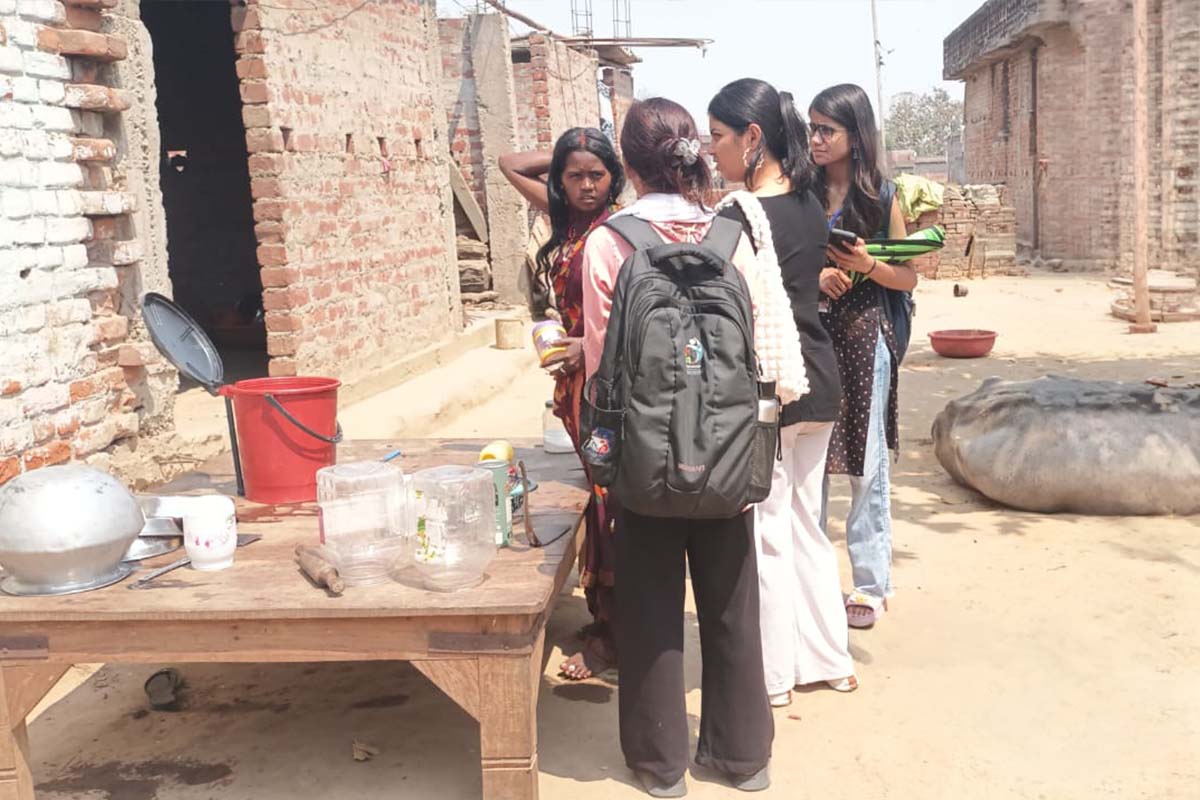
It all started when Mansi Kumari stepped away from the comforts of her everyday life to face some of the most abject poverty she had ever encountered. Arriving on the first of November 2025 in the rural settlements of the Musahar communities, she was greeted by makeshift brick huts, open drainage, and the heavy look of resignation in the eyes of young mothers.
But she didn’t turn her back on them. Armed with an SBI Youth for India Fellowship and a passion to help, she decided to spend two months doing intensive groundwork across two villages.
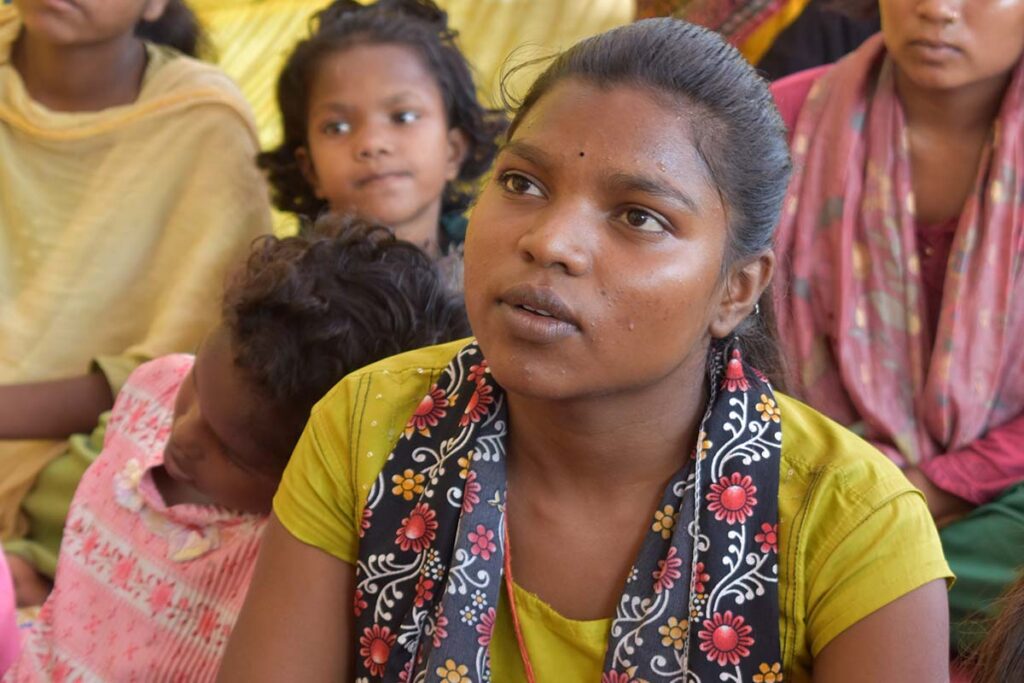
The living conditions of the Musahars are, by far, among the most deplorable across the country. Literacy rates are very low. Only 6% of Musahar men and 2% of women can read or write. Furthermore, they lack basic hygiene and sanitation practices. And they do not even own the land they live on.
Mansi started by conducting a detailed baseline survey of 100 women in the village of Mocharim. The findings were stark: widespread anemia, chronic severe back and stomach pain, and high instances of health issues like leukorrhea. With families averaging 4 to 5 children, the women single-handedly managed everything, because the men were either working far away or struggling with severe alcoholism.
The one health issue they never spoke about was too taboo—menstruation.
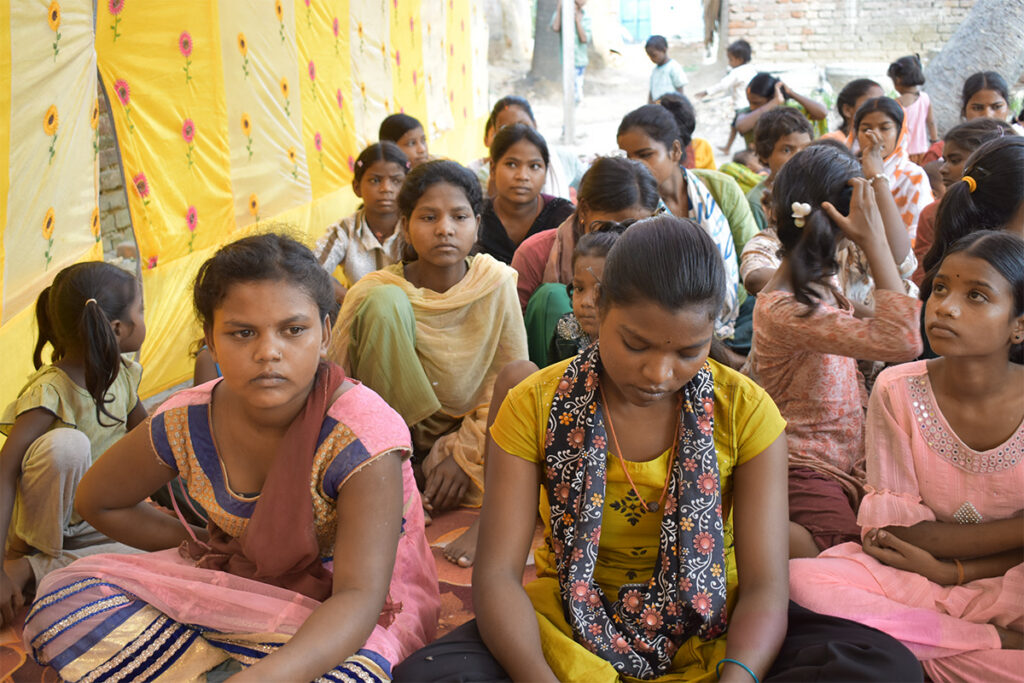
“The women were utterly overburdened,” Mansi recalls. “But when I tried to ask them about their periods, I was met with complete silence. Only one or two women could even speak to me about it.”
Determined to understand, she embedded herself deeper into the community, attending their meetings and local festivals until the truth finally came out. Most of the village lacked a private washroom, so women were using regular cloth during their periods, washing them at a communal hand pump, and throwing them out into the open after a single use. With no waste management system, the contaminated runoff water collected right outside their front doors.
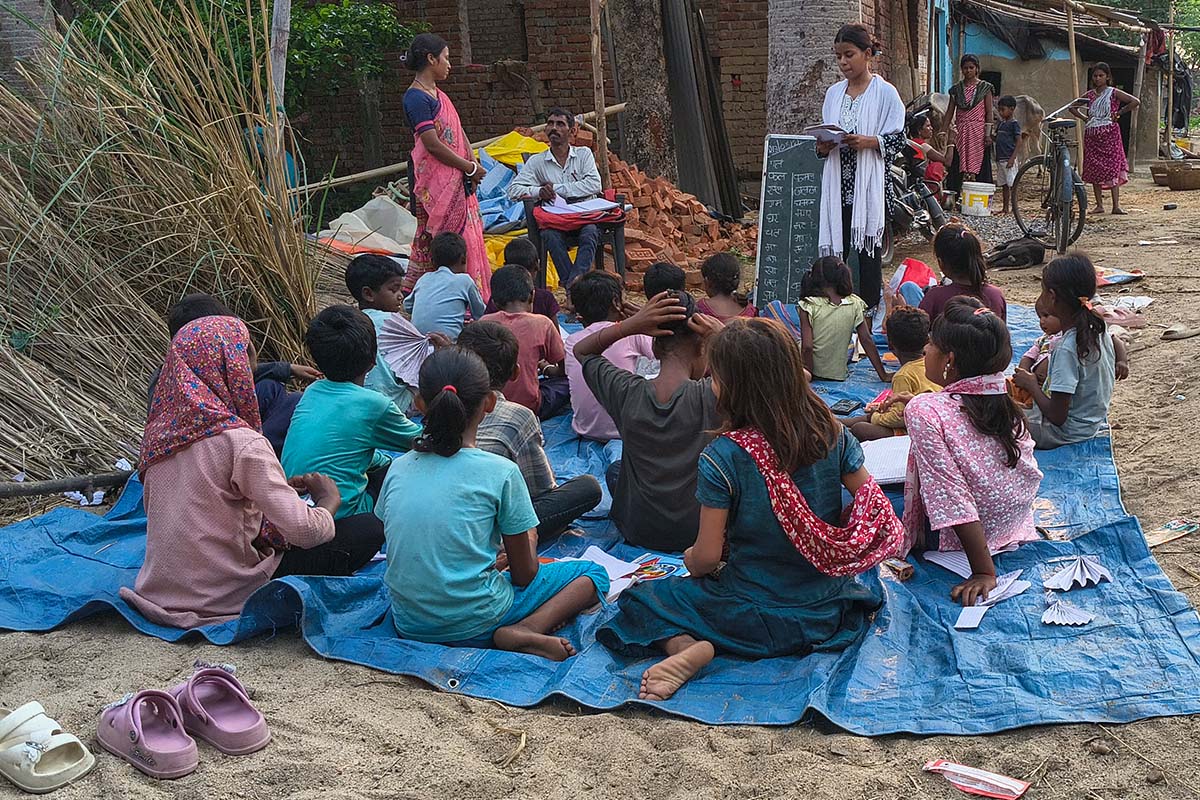
Recognizing that simple hygiene could drastically reduce these problems, she launched an intensive series of education sessions. She travelled there daily to teach the women and adolescent girls anatomy and menstruation and gave them a variety of menstrual pads to try out. But the girls continued to discard sanitary pads in open fields after a single use.
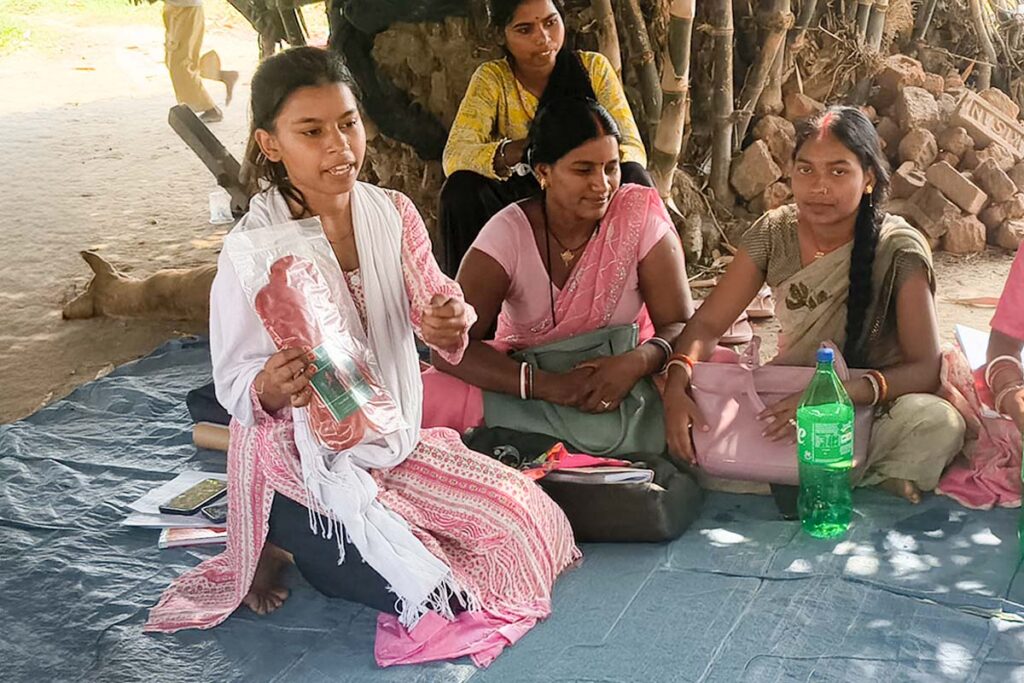
Mansi began a rigorous, month-long email campaign targeting sustainable pad manufacturing organizations. After dozens of pitches, a breakthrough arrived on March 17th: Amma’s Saukhyam Foundation generously agreed to provide reusable cloth pads free of cost for 100 women, alongside a complimentary set for Mansi. Their only requirement was a robust baseline and endline survey tracking usage patterns.
Mansi let the women know she would also transition to cloth pads in solidarity with them. She said, “I will use them with you. I will share my experiences with you. I am with you through the whole process.”
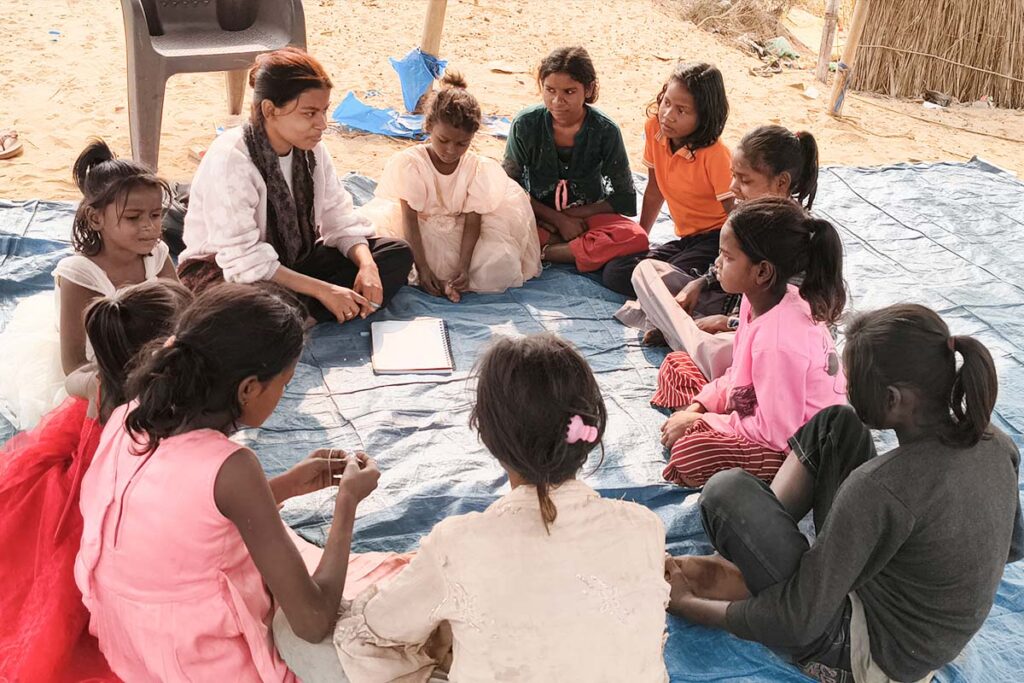
That shared vulnerability forged the bond. Mansi and the Saukhyam team expanded their fieldwork, to one more village named Bakraur reaching over 100 women and girls, tackling deep-seated beliefs head-on, proving to them that periods are natural and not something “impure”.
In fact, Mansi says the real shift happened after the Saukhyam Pads distribution event. She explains, “Women who couldn’t attend began approaching me in the following days, expressing genuine disappointment at missing out and asking for their kits.
“Hearing women openly say, ‘We want to try these pads, can we get them too?’ was the ultimate validation of broken taboos. Over the subsequent days, we distributed the remaining kits, conducting personalized demonstrations on washing, drying, and maintenance.”
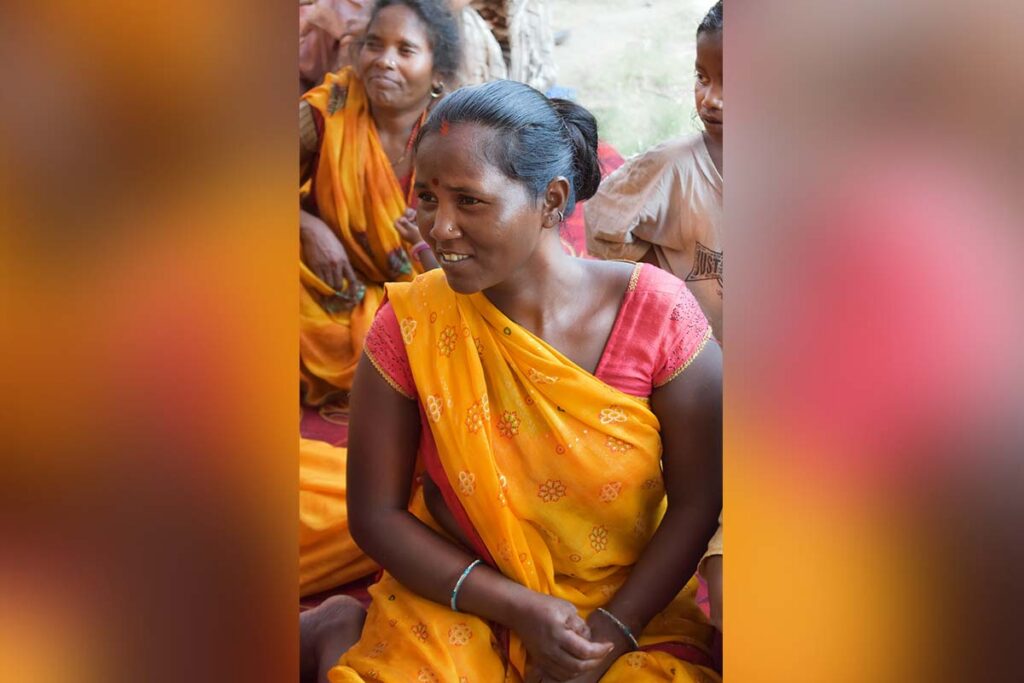
Mansi’s compassionate need to understand the Musahar women’s problems perfectly aligns with Amma’s grassroots approach. Amma initiated the Saukhyam Reusable Pads Foundation in 2017 to provide women and girls with eco-friendly menstrual solutions. Mansi is just one of many passionate volunteers that have been drawn to the project since its inception.
As Anju Bist, Managing Director of Saukhyam, puts it: “A period-friendly world won’t be built by a single organization. It will be built by many people taking small steps in the same direction.”
It is in this harmonious way that Amma’s initiatives continue to grow, bringing diverse people together to create a groundswell of lasting change.